Can I use feng shui if I cannot move the bed?
Yes. Work with the usable routes, storage, lighting and personal items around the fixed position. Do not obstruct an exit or essential equipment to satisfy a symbolic arrangement.
Quick Answer: A feng shui rental home does not need new walls, a different front door or a collection of cures. Start with changes you control: a clear route through the room, useful furniture positions, comfortable lighting and a modest amount of personal decoration. Check the tenancy agreement and local requirements before altering fixtures. Treat symbolic preferences as optional choices, not promises about health, money or luck.
Renting changes the question from “What is the ideal floor plan?” to “What can I improve without damaging the home or creating a problem when I leave?” A room can still feel settled when its door, kitchen and windows are fixed. The useful work is to distinguish movable possessions from the building, and personal preference from a repair that belongs with the property manager.
Make a short inventory before buying anything. A chair that fits elsewhere is different from a shelf that needs wall fixings. A replacement curtain, adhesive film or supposedly removable hook may still involve a fixture or damage a finish. The product’s marketing does not decide what your agreement permits.
Read the agreement, consult the relevant local tenancy guidance, and obtain any required permission before installation. Ask what must be restored at move-out, and keep the written response with your original condition photographs. New Zealand’s Tenancy Services guidance on changes to rental properties, for example, requires a written request and permission for minor changes and discusses reinstatement. Those are New Zealand rules; do not assume that their deadlines or consent provisions apply elsewhere.
| Proposed change | Rental-home decision | What to retain |
|---|---|---|
| Reposition a chair or low table | Check clearance, stability and everyday use | A photograph of the workable arrangement |
| Add a freestanding lamp | Check its instructions, socket location and cable route | Product instructions and a clear walking route |
| Fit a shelf, curtain rail or wall mirror | Confirm the fixing method and required permission before work | Written approval and restoration terms |
| Address a leak or failed ventilation | Report the building problem; decoration is not a repair | Dated photographs and the maintenance request |
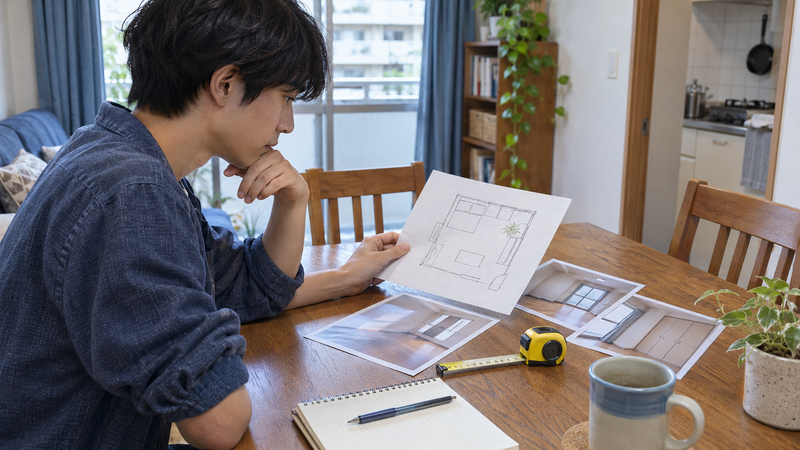
Walk from the front door to the places you actually use: the kitchen, bathroom, bed and preferred seat. Open the doors fully as intended. Check whether a shoe rack, delivery box or side table forces an awkward turn. Move the obstruction before adding an entrance ornament.
The U.S. Fire Administration’s home escape-plan guidance says to keep doors and windows unblocked and make and practise an escape plan. Follow the building’s own emergency instructions as well. A screen added for visual privacy must not obstruct the way out; this article does not set a universal passage-width requirement.
In feng shui discussions, movement through a home is often described in terms of flow. Here, the practical test is observable: can the people who live there move safely and use the space? A traditional interpretation does not replace that test. For the entrance itself, see our front-door arrangement guide.
Try the main seat where you can see the entrance comfortably without turning constantly. If that is impossible, compare the positions available rather than forcing a rigid diagram onto the room. A sofa against a usable wall may feel more settled, but it is not a requirement that overrides access to a heater, vent or window.
Apply the same approach to the bed. Test getting in and out, opening storage and reaching the door at night. If the only workable position faces a door, that is a layout constraint, not evidence of impending misfortune. Avoid adding a bulky divider that makes the room harder to use.
For example, in a hypothetical studio, a low open shelf beside a sofa could mark the sitting area while leaving the main route clear. If it creates a narrow squeeze or is unstable, omit it. This is an arrangement example, not a documented client result. Our small-apartment layout guide covers the space-planning side in more detail.
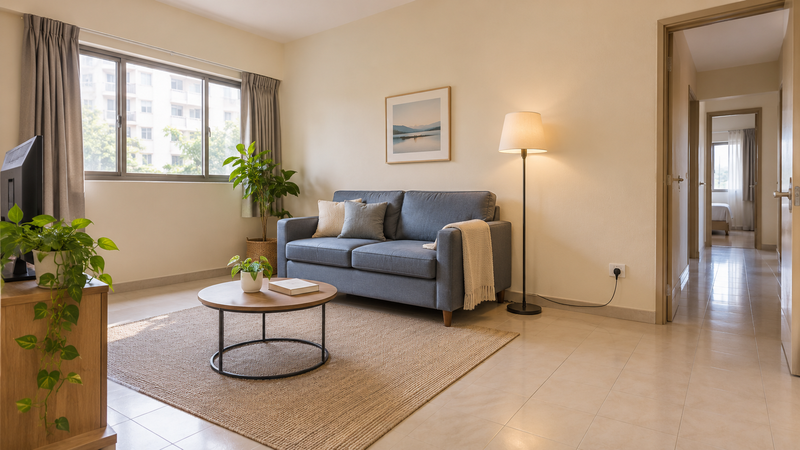
Bring a task lamp to the place where you read, choose washable textiles you like and display a few meaningful objects. Start with possessions you already own. Colour and symbolic associations can be personal or cultural preferences; a particular shade or object does not guarantee a financial result.
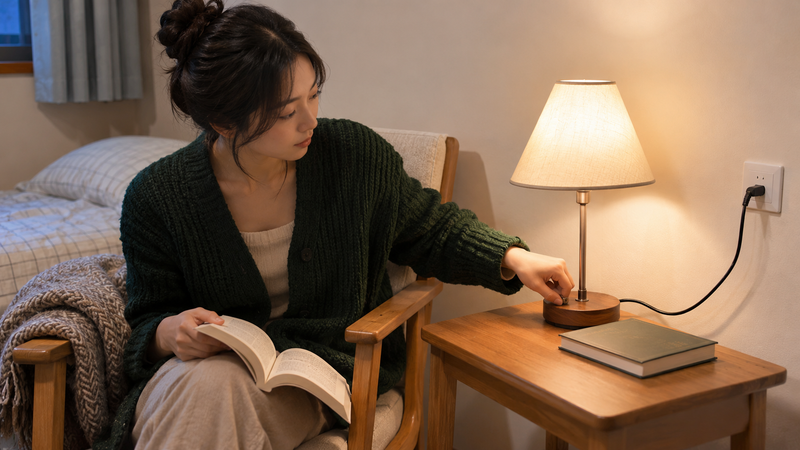
Keep lamps stable and cables out of walking routes. Follow manufacturer instructions and leave heating and ventilation equipment accessible. Do not cover damp patches with furniture or use fragrance to conceal a persistent smell. Record and report the underlying problem through the appropriate maintenance process.
The EPA’s guide to air cleaners prioritises reducing pollutant sources and ventilation with clean outdoor air, with filtration as a supplement. It also explains that air cleaners do not remove every pollutant. A plant, decorative crystal or pleasant scent should not be presented as a substitute for addressing an indoor-air problem.
Use the room through an ordinary day. Can you carry groceries in, sit down, use the work surface and prepare for bed without moving things repeatedly? Ask other occupants before reorganising a shared area. Keep a change if it makes the intended activity easier; reverse it if it creates a new obstacle.
A simple record is enough: “Moved the side table; door now opens freely” is more useful than “Improved the home’s energy.” Note unresolved repairs separately. Do not attribute a later sale, exam result or health change to the furniture arrangement.
Yes. Work with the usable routes, storage, lighting and personal items around the fixed position. Do not obstruct an exit or essential equipment to satisfy a symbolic arrangement.
No. Their removal can still damage a surface, and tenancy requirements vary. Check the agreement, local guidance and any required permission before fitting them.
No. Begin with the furniture and objects you have. Decorative or symbolic items are optional and do not guarantee wealth, health or protection from bad luck.
Scope: This is a renter-focused arrangement guide. The cited housing, fire-safety and air-quality sources support their specific practical points; they do not validate supernatural outcomes or certify an individual property’s safety.
Get a detailed feng shui report based on your zodiac, birth year and space layout.
View PackagesPowered by Shanyue Group | Contact: contact@shanyuegroup.com
About | Contact | Privacy Policy
© 2026 Shanyue Group • All Rights Reserved