風
fengshuiauspice.com
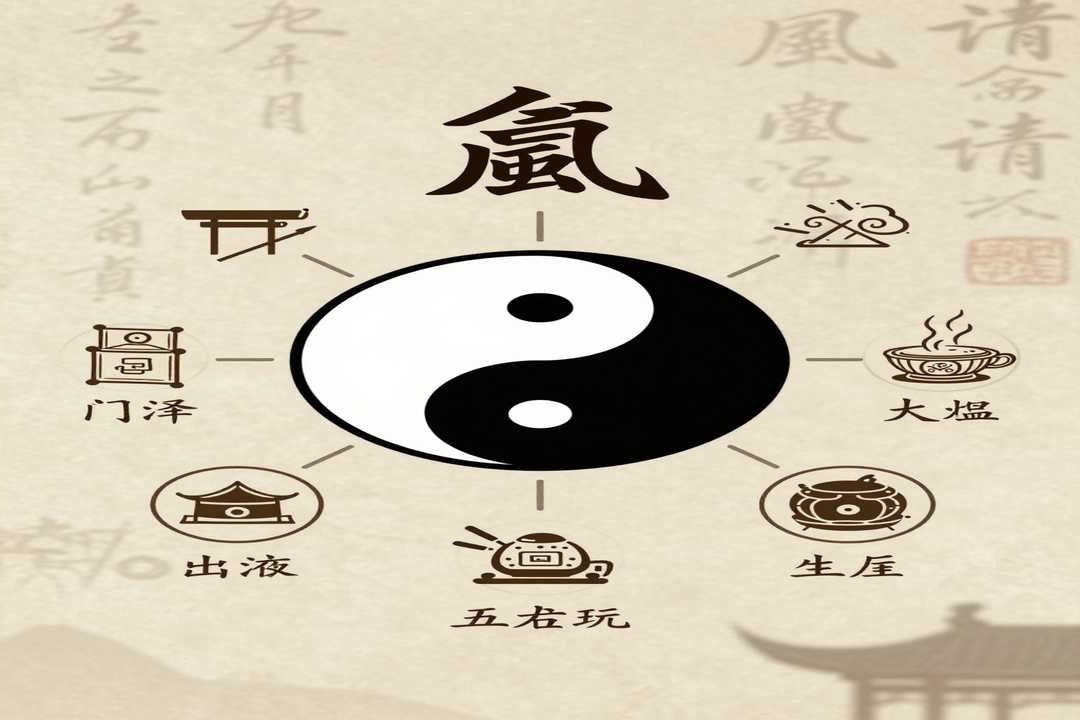
Feng shui Feng Shui Principles is one of the most powerful ways to transform your living environment and invite positive energy into your daily life. These principles form the ancient foundation of Chinese metaphysical practice, guiding millions toward better health, relationships, and prosperity.
Common feng shui principles organize space through ideas such as qi, balance, orientation, and symbolic correspondence; they should be presented as traditional practice, not guaranteed physical outcomes.
| Framework | Traditional spatial and symbolic practice |
|---|---|
| Practical check | Room use, access, light, ventilation, and safety |
| Interpretation | Rules vary by school and practitioner |
| Use limit | Do not replace medical, structural, or safety advice |
Where a symbolic rule conflicts with building safety, accessibility, or health guidance, the practical standard should take priority. Source: Britannica overview of feng shui.
Related reading: Bagua map guide · Feng shui rules
Whether you are new to feng shui or seeking deeper knowledge, understanding these core principles will help you create a home that truly supports your goals. In this comprehensive guide, we will explore exactly what Feng Shui Principles entail, how they connect to the Five Elements, and most importantly, how you can apply them immediately to improve any space in your home.
Feng Shui Principles refer to the fundamental laws and guidelines that govern how energy, or qi, flows through your environment. These principles are not optional suggestions.
They are universal laws that have been observed, documented, and refined over thousands of years by Chinese masters. The core belief is that everything in your surroundings emits energy.
This energy either supports or undermines your well-being, depending on how it flows and whether it is balanced. When you align your home according to these principles, you essentially remove obstacles that block positive qi from entering and circulating freely.
At its heart, Feng Shui Principles teaches that your environment is a mirror of your inner world. Clutter represents blocked energy.
Sharp corners create rushing, aggressive energy. Poor lighting creates damp, stagnant qi.
By understanding and applying these principles, you gain the ability to intentionally shape your surroundings in ways that nurture your physical health, emotional state, and spiritual growth. The principles work because they align your personal energy with the natural energy patterns of the universe.
This creates a harmonious relationship between you and your environment that manifests as better opportunities, improved relationships, and greater peace of mind.
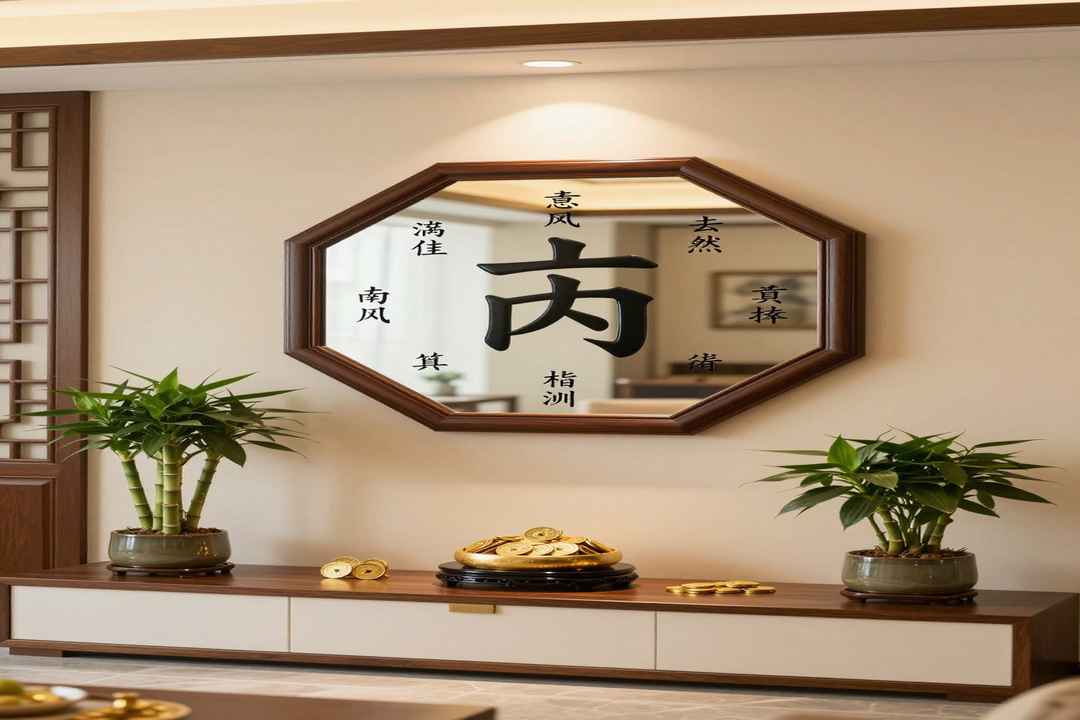
The Five Elements—Wood, Fire, Earth, Metal, and Water—form the energetic backbone of all Feng Shui Principles. Each element represents a specific type of energy and corresponds to particular colors, shapes, materials, and directions.
Understanding how these elements interact is essential for applying Feng Shui Principles correctly in your home. The Wood element brings growth, vitality, and new beginnings.
It is associated with the color green, vertical shapes, and the spring season. The Fire element represents passion, transformation, and high energy.
It connects to red, orange, triangular shapes, and the summer season.
The Earth element symbolizes stability, nourishment, and grounding. It relates to yellow, beige, square shapes, and the late seasonal transitions.
Metal embodies clarity, precision, and efficiency. It corresponds to white, gray, round shapes, and the autumn season.
Water represents flow, wisdom, and abundance. It connects to black, blue, wavy shapes, and the winter season.
In Feng Shui Principles, the key is balance. No single element should dominate your space.
Instead, all five should be present in harmonious proportion. You can introduce missing elements through colors, materials, decorative objects, and even the five sense experiences you create in each room.
Now comes the practical part. Here are concrete Feng Shui Principles tips you can apply immediately to transform your space:
Tip 1: Clear All Clutter From Your Main Entry
The front door is the mouth of qi. Clutter here blocks positive energy from entering your home.
Remove shoes, packages, and unnecessary items from your entryway. Sweep the floor daily.
Place a welcome mat outside and a clean, bright rug inside. Feng Shui Principles This simple action alone can shift your entire home’s energy within days.
Tip 2: Position Your Bed in the Command Position
Your bed should allow you to see the door without being directly in line with it. This means placing the head of your bed against a solid wall, diagonal from the door.
Avoid placing beds where feet point directly toward the door, as this creates “coffin position” energy that depletes vitality. Feng Shui Principles The ideal bed placement supports restful sleep and personal power.
Tip 3: Strengthen Your Wealth Corner
The southeast corner of your home or office governs abundance. Place a water feature, such as a small fountain or aquarium, in this area to activate wealth energy.
Add green plants with round leaves, as Wood feeds the wealth element. Avoid placing anything red here, as fire overactivates this area and can create financial instability.
Feng Shui Principles Keep this corner well-lit and free of clutter.
Tip 4: Balance Yin and Yang in Every Room
Yin energy is cool, dark, soft, and quiet. Yang energy is warm, bright, hard, and active.
Bedrooms need more yin for rest. Living rooms require yang for socialization.
Combine both by using soft lighting, varied textures, and a mix of active and restful zones. A room that is all yang feels chaotic.
A room that is all yin feels depressing. Feng Shui Principles Balance creates comfortable, harmonious energy.
Tip 5: Use Mirrors Strategically
Mirrors reflect and multiply energy. Place a mirror where you want to encourage more qi flow, such as near the entry to reflect light into darker hallways.
Never place a mirror facing your bed, as it reflects your personal energy and disturbs sleep. Avoid mirrors that reflect clutter or negative views.
Feng Shui Principles The mirror should reflect something beautiful or expansive.
Tip 6: Soften Sharp Edges and Corners
Sharp corners create “sha qi” or negative energy that can cause tension and conflict. Place round plants, fabric drapes, or curved decor items in rooms with exposed corners.
This softening technique is especially important in the relationship corner (southwest) and health corner (center) of your home. Feng Shui Principles Round shapes naturally neutralize harsh edges.
Tip 7: Ensure Proper Lighting Throughout Your Home
Natural light is the best yang energy. Open curtains daily to welcome sunlight.
Replace dark, dim bulbs with full-spectrum lights that mimic natural daylight. Each room should have three types of lighting: ambient (general), task (functional), and accent (decorative).
Good lighting uplifts mood and energy. Feng Shui Principles Poor lighting creates stagnation and even depression.
The Bagua map is an octagonal grid that divides your home into nine fundamental life areas. Each area corresponds to a specific aspect of your life, from wealth and fame to relationships and career.
Feng Shui Principles dictate that all nine areas should be balanced and accessible for optimal life harmony. The map is overlaid on your home’s floor plan, with the front door typically marking the bottom of the grid.
The wealth and abundance area sits in the far left corner from the door. The fame and reputation area occupies the top center.
The relationships and love area anchors the far right corner.
Understanding where each area falls in your specific home allows you to enhance particular life aspects. However, Feng Shui Principles also emphasize that all areas work together.
A weak or blocked area in one sector will affect others. For example, a cluttered career corner can undermine confidence even when the wealth corner is activated.
This interconnectedness is why holistic application of Feng Shui Principles produces the best results. Never focus excessively on one area while neglecting others, as this creates energetic imbalance that manifests as problems in other life domains.
Many people inadvertently undermine their feng shui efforts by making well-meaning but incorrect assumptions. One major mistake is over-activating areas with too many cures.
Placing seven fu dogs, nine red candles, and a water feature in your wealth corner creates overwhelming energy that backfires. More is not better.
Each area needs only one or two appropriate enhancements. Another common error involves placing feng shui cures in the wrong locations.
A feng shui wealth bowl belongs in the southeast, not randomly placed anywhere that looks empty. Feng Shui Principles Incorrect placement creates confusion in the corresponding life area rather than improvement.
A third mistake is ignoring the outside environment. Feng Shui Principles apply to your surroundings beyond your front door.
A large tree directly in front of your house blocks qi from entering. A sharp building edge pointing at your home creates negative energy.
Always assess your broader environment before arranging interior spaces. Finally, many people fail to personalize their feng shui.
Generic cures work for general purposes, but your specific birth element and Kua number should guide your choices. Generic advice ignores your unique energetic profile and may not address your particular needs.
Your home communicates through symptoms when Feng Shui Principles are out of balance. Pay attention to recurring problems that seem unrelated to obvious causes.
Financial difficulties that persist despite your best efforts often indicate blocked wealth corners. Relationship tensions that resist resolution may point to relationship area problems.
Chronic fatigue or difficulty sleeping frequently connects to poor bed placement or cluttered bedrooms. Health issues that linger may signal energy stagnation in the center of your home or near the health area of your personal Bagua map.
Visual cues also reveal imbalance. Excessive dust, cobwebs, or clutter indicates stagnant qi.
Cracked walls or broken items represent fractured energy in those areas. Unusual cold spots in certain rooms suggest energy blockages.
Plants that repeatedly die in one location point to environmental stress in that corner. When you notice these signs, do not panic.
Simply systematically address each area according to Feng Shui Principles. Gradual improvements accumulate into significant life changes over time.
Can I apply Feng Shui Principles in an apartment with limited space?
Absolutely. Feng Shui Principles work in any space, regardless of size.
In small apartments, focus on command position for your bed and desk, keep all pathways clear, and use mirrors to expand perceived space. Even a single room can be divided into Bagua zones using mental mapping.
The principles emphasize energy flow, which exists in every space.
How long does it take to see results from applying Feng Shui Principles?
Some people notice immediate shifts within days, especially after clearing clutter or fixing obvious problems like bed placement. Deeper transformations typically manifest over three to six months, as qi gradually adjusts to new configurations.
Consistency matters more than speed. Feng Shui Principles Maintain your improved space and trust the process.
Should I hire a professional feng shui consultant?
If you face persistent life challenges or significant decisions like relocating or renovating, professional guidance is valuable. A trained consultant assesses your specific birth chart, Kua number, and the unique energy patterns of your home.
However, the basic Feng Shui Principles in this guide address most common situations effectively.
Can I mix feng shui with other decorative styles?
Yes. Feng Shui Principles are about energy, not specific aesthetic choices.
You can apply these principles while maintaining any design style you prefer, whether modern minimalist, traditional, bohemian, or Scandinavian. The key is ensuring energy flow and element balance regardless of visual appearance.
Focus on priority areas first: entry, bedroom, and desk or workspace. These high-impact locations most directly affect your daily energy and well-being.
You can gradually apply Feng Shui Principles to other rooms over time. Perfection is unnecessary.
Consistent improvement beats overwhelming perfectionism.
Can negative feng shui from a previous tenant affect me?
Yes. The energy imprint of previous occupants remains in a space, especially if they experienced strong emotions or difficult events there.
This is why moving into a new home or apartment calls for cleansing rituals. Feng Shui Principles Burn sage, open all windows, and reset the energy with your own positive intentions and feng shui improvements.
Your home should tell your story. The ultimate Feng Shui Principles tip is to fill your space with objects that genuinely bring you joy and represent who you are becoming.
Feng shui is not about following rigid rules that make your home feel unnatural or uncomfortable. It is about creating an environment that supports your highest good while reflecting your authentic self.
Trust your instincts. If something feels wrong, it probably is.
If something feels right, honor that feeling. The principles provide guidance, but your intuition is the ultimate decoder of whether your space truly works for you.
Start with one change today. Clear one cluttered corner.
Adjust your bed position by a few inches. Add a plant to a forgotten corner.
Watch what happens. Feng Shui Principles come alive through practice, not just theory.
Your journey toward a more harmonious life begins with a single mindful step.
Yin Yang Balance Yin Yang In Feng Shui Water Element Feng Shui WikipediaFeng Shui Principles are foundational guidelines rooted in ancient Chinese philosophy that aim to harmonize human living spaces with natural cosmic energy (chi). Their significance lies in creating environments that support physical well-being, emotional balance, prosperity, and overall life satisfaction by aligning spaces with the flow of positive energy.
Feng Shui Principles shape chi flow by addressing key factors like clutter, layout, and object placement. Unobstructed pathways and open layouts allow chi to move smoothly, while clutter or blocked areas trap stagnant, negative chi. Strategic placements—such as using mirrors to redirect stagnant chi or positioning furniture to avoid blocking entryways—encourage the circulation of life-enhancing positive chi.
The best placement follows core Feng Shui guidelines and the Bagua map (a spatial energy grid). For example, place a bedroom’s main bed in the “command position” (against a solid wall, not facing the door), keep the front door clear to welcome incoming chi, and place prosperity-related elements like lucky bamboo in the southeast area of a home to align with energy for abundance.
Complementary colors for Feng Shui are based on the five elements (wood, fire, earth, metal, water) and the Bagua map. For a career-focused north area, blues and blacks (water element) work; for a family-focused east area, greens and browns (wood element); for prosperity-linked southeast areas, deep greens or purples (wood element); and neutral tones like beige balance spaces by supporting steady chi flow.
Common mistakes include placing the main front door directly opposite a bathroom door (disrupts chi), positioning a bed under a ceiling beam (creates negative, oppressive energy), cluttering entryways or living spaces (traps stagnant chi), using sharp-edged furniture in high-traffic zones (generates harsh chi), and neglecting natural light or ventilation (critical for positive energy circulation).
Get a detailed feng shui report based on your zodiac, birth year and space layout.
View PackagesPowered by Shanyue Group | Contact: contact@shanyuegroup.com
About | Contact | Privacy Policy
© 2026 Shanyue Group • All Rights Reserved