風
fengshuiauspice.com
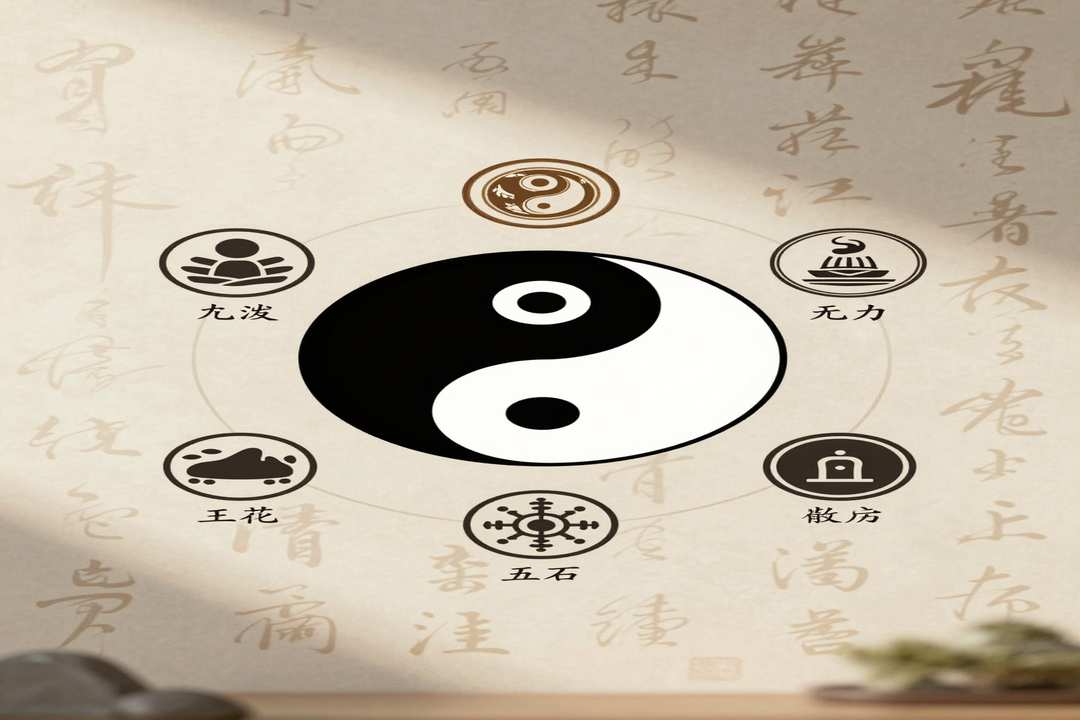
Feng shui Feng Shui Rules form the foundation of creating balanced, supportive environments in your home and workplace. These time-tested guidelines have guided millions of people for thousands of years in arranging their spaces to optimize energy flow, known as chi.
Whether you are new to feng shui or looking to deepen your understanding, mastering these fundamental rules will transform how you interact with your living spaces.
Feng shui, which translates as “wind and water,” is an ancient Chinese practice that examines how energy flows through your environment. The rules of feng shui are the specific guidelines that determine optimal placement, direction, and arrangement of objects within a space.
Feng Shui Rules These rules are not arbitrary; they emerged from centuries of observation about how natural elements affect human wellbeing, prosperity, and relationships.
At its core, feng shui rules address the flow of chi, the vital life force that surrounds us. When chi moves smoothly through a space, inhabitants experience health, clarity, and opportunity.
When chi becomes blocked or rushes too quickly, problems arise. The rules provide a framework for assessing and improving this energy flow in any environment.
The most fundamental feng shui rules center on the three major factors: the environment surrounding your building, the structure and layout of the building itself, and the interior arrangement of rooms and objects. Each factor interacts with the others, creating a complex system that skilled practitioners learn to evaluate holistically.
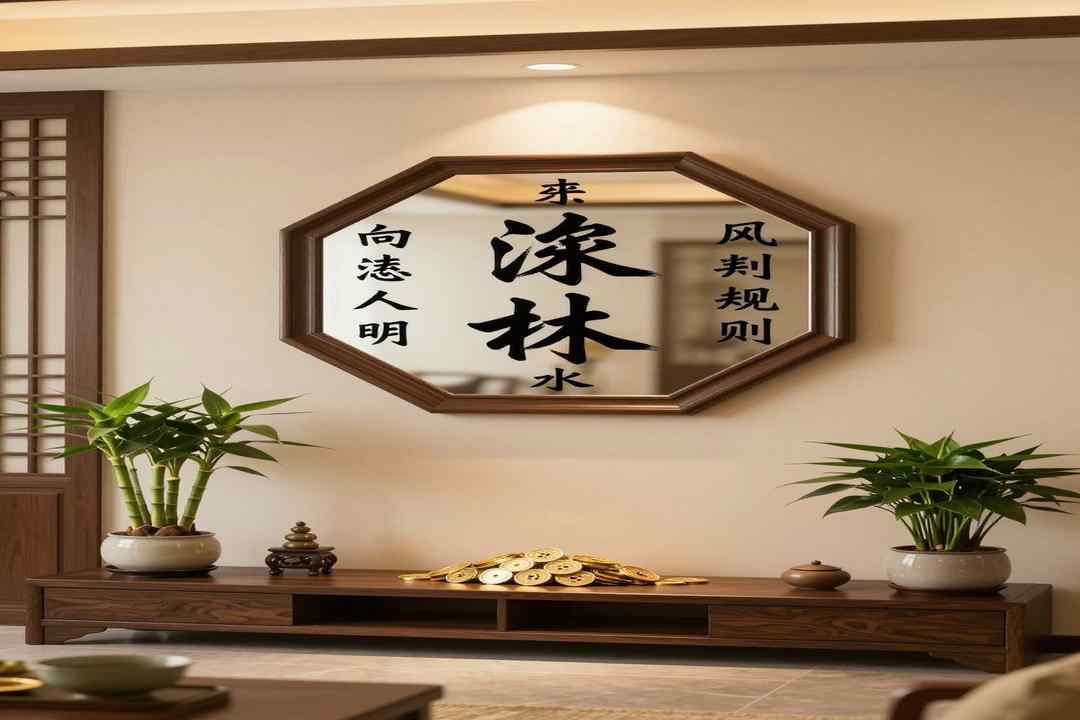
The Five Elements—Wood, Fire, Earth, Metal, and Water—form the energetic backbone of all feng shui rules. Each element carries distinct qualities that influence how energy behaves in your space.
Understanding these elements allows you to strengthen or balance specific areas of your home according to your goals.
Wood represents growth, creativity, and new beginnings. It governs the eastern and southeastern areas of your home.
Fire symbolizes passion, transformation, and recognition. It relates to the southern sector.
Earth stands for stability, nourishment, and grounding; it connects to the northeastern, southwestern, and central areas. Metal brings clarity, precision, and efficiency; it rules the western and northwestern sections.
Feng Shui Rules Water embodies wisdom, flow, and abundance; it connects to the northern area.
When applying feng shui rules, you activate specific elements through colors, shapes, materials, and natural components. For instance, to enhance the Wood element in your career area (eastern sector), incorporate green colors, wooden furniture, and living plants.
To strengthen Fire energy in your reputation zone (southern area), add red accents, triangular shapes, and proper lighting. The art lies in creating harmonious element combinations without creating excessive conflict.
The following feng shui rules provide immediate, actionable improvements you can implement today. Each tip includes specific placement instructions to maximize effectiveness.
Tip 1: Command Position for Beds and Desks
Place your bed or desk in the command position, where you can see the door without being directly in line with it. This position gives you visual control over who enters your space.
For bedrooms, the bed should face the door but not align with it foot-first. For home offices, position your desk diagonally opposite the door.
Feng Shui Rules This placement activates the command energy that promotes confidence and authority.
Tip 2: Strengthen Your Entryway
The front door represents the mouth of chi, where energy enters your home. Keep this area clean, well-lit, and free of obstacles.
Add a welcome mat and two matching plants or lanterns on either side to invite positive energy. The door color should complement the element of your home’s facing direction—red for south-facing homes, green for east-facing homes.
Feng Shui Rules Ensure the door opens fully without obstruction.
Tip 3: Balance the Bedroom for Rest
The bedroom should feel like a sanctuary of rest. Remove work materials, exercise equipment, and mirrors facing the bed.
Position nightstands at equal height on both sides to create relationship balance if you share the room. Use soft, rounded lighting rather than harsh overhead fixtures.
Feng Shui Rules Keep the closet door closed and the under-bed area clear to allow chi to flow freely.
Tip 4: Activate the Wealth Corner
Identify your wealth and abundance area using the Bagua map—it typically falls in the southeast corner of your home. Activate this zone with a water feature, such as a small tabletop fountain or aquarium.
Add purple, green, or gold colors. Place meaningful symbols of abundance, such as a wealth bowl or crystals.
Feng Shui Rules Keep this area clutter-free and well-lit to encourage financial energy to accumulate.
Tip 5: Harmonize Kitchen Energy
The stove represents wealth and nourishment in feng shui. Keep it clean and in good working order.
Position the stove so you cook with your back to the door—this maintains your sense of command while preparing food. Avoid placing the stove directly opposite the kitchen sink, as the Water element extinguishes Fire energy.
Feng Shui Rules Add plants or wooden elements near the stove to maintain energetic balance.
Tip 6: Clear Clutter Systematically
Clutter blocks chi flow and creates stagnant energy. Apply the feng shui bagua map to identify cluttered areas that correspond to life areas you wish to improve.
Clear one area completely before moving to the next. Organize systematically using containers that match the element of each zone.
Feng Shui Rules This process often reveals surprising connections between physical clutter and life challenges.
The Bagua map is an octagonal grid that overlays your floor plan to identify nine life areas, each governed by specific feng shui rules. Each gua corresponds to an element, a color, and aspects of your life such as wealth, relationships, career, and knowledge.
Understanding where each area falls in your home allows targeted improvements.
The map divides your space into three vertical columns and three horizontal rows. The top row represents heaven—spiritual growth, wisdom, and career.
The middle row represents humanity—relationships, children, and helpful people. The bottom row represents earth—wealth, family, and ancestors.
Feng Shui Rules Each area interacts with its neighbors, so enhancing one zone often positively affects adjacent areas.
When applying feng shui rules using the Bagua, start by drawing your floor plan and dividing it into nine equal sections. Determine which section aligns with each life area based on the main entry door’s location.
This entry position sets the coordinate system for your entire home. Once mapped, you can activate specific zones through color, element, and symbolic adjustments.
Many people undermine their feng shui efforts through common errors that are easily corrected. Feng Shui Rules Understanding these mistakes saves time and prevents wasted energy on ineffective adjustments.
The first major mistake is over-activating areas with too many cures. Adding excessive feng shui objects, crystals, or fountains overwhelms rather than enhances energy.
Each area needs one or two strong adjustments, not a collection of competing items. Feng Shui Rules Choose quality over quantity.
Another frequent error involves placing feng shui cures in the wrong locations. A wealth bowl in the bedroom or a water feature near the bed creates imbalance rather than harmony.
Feng Shui Rules Always match cures to the correct Bagua area and ensure they complement rather than conflict with the existing element.
Ignoring the exterior environment while focusing only on interior arrangements is a third common mistake. The landscape surrounding your building significantly impacts indoor energy.
Ensure trees, buildings, or structures outside do not create sha chi (poisoned arrows) directed at your home. Feng Shui Rules Address exterior issues before beautifying interiors.
Your home communicates through visual cues and physical symptoms when energy失衡. Watch for these indicators that feng shui rules require attention.
Persistent clutter in specific areas signals blocked energy in corresponding life zones. If the relationship corner stays cluttered despite your efforts, examine how you approach partnerships.
If the career area collects dust, consider professional obstacles you have not addressed. Feng Shui Rules Clutter often mirrors internal stagnation.
Recurring accidents or injuries in certain areas suggest aggressive energy patterns. Sharp corners, exposed beams, or furniture positioned dangerously all create harmful chi.
Feng Shui Rules Examine rooms where family members experience frequent mishaps for hidden feng shui problems.
Unexplained financial difficulties or career stagnation often originate in the wealth and career sectors. Check these areas for clutter, broken items, or missing elements.
Feng Shui Rules A poorly positioned desk or an obstructed entry directly affects professional outcomes.
Can I practice feng shui rules in an apartment with a strange layout?
Absolutely. Feng shui rules adapt to any space.
Focus on the areas you can control—clear clutter, optimize your command position, and balance elements within your rooms. Even small adjustments create meaningful energetic shifts in small apartments.
How long does it take to see results from feng shui rules?
Some changes produce immediate results, especially with clutter removal or command position adjustments. Deeper transformations often manifest within three to six months as energy gradually shifts.
Feng Shui Rules Be patient and consistent with your improvements.
Should I hire a feng shui practitioner to apply these rules?
While professional guidance helps for complex situations, the fundamental rules covered here address most common needs. Start with these principles and notice what changes in your life.
Feng Shui Rules A practitioner becomes valuable when you encounter persistent challenges or major life transitions.
Can I combine feng shui rules with other design styles?
Yes. Feng shui rules work with any aesthetic.
The principles address energy flow and element balance, which transcend decorative styles. You can absolutely incorporate feng shui while maintaining modern, traditional, or eclectic design preferences.
Prioritize the rules that resonate most with your current challenges. Not every rule applies equally to every situation.
Feng Shui Rules Focus on command position, clutter removal, and entry enhancement first, then add more nuanced adjustments as you become comfortable with the practice.
What should I do if feng shui rules conflict with my personal preferences?
Your comfort matters. Adapt feng shui rules to support your preferences rather than forcing unnatural arrangements.
A space that feels wrong will not produce positive results, regardless of technical adherence to rules. Find balance between feng shui principles and personal satisfaction.
Trust your intuition when applying feng shui rules. While the guidelines provide valuable structure, your personal response to a space matters enormously.
If something feels off despite correct placement, adjust until harmony emerges. The most powerful feng shui emerges from genuine connection between you and your environment.
Start with one area of your home today. Apply the relevant rules, clear clutter, and add appropriate elements.
Notice how energy shifts in that zone and in your life. This practice builds confidence and creates momentum for deeper transformation.
Feng Shui Rules Your journey toward harmonious living begins with a single thoughtful adjustment.
7 Common Wood Element Feng Shui Mistakes (And How to Fix) Bagua Directions Guide: 7 Essential Tips for Better Energy F Why Your Bagua Map Guide Is Wrong: 7 Facts You Need to Know WikipediaFeng Shui Rules are foundational guidelines that harmonize spaces with natural energy (chi) to balance environments, support physical and emotional well-being, attract positive energy, foster prosperity, and align living/working areas with cosmic and terrestrial forces for optimal flow.
Feng Shui Rules shape chi flow by removing obstructions (e.g., clutter, blocked doorways), directing energy through clear pathways, positioning elements to channel chi toward active areas, and avoiding configurations that trap or disrupt energy—ensuring chi circulates beneficially rather than stagnating or causing harmful “sha” energy.
Optimal placements follow the Bagua map (a Feng Shui energy grid tied to life areas): wealth-related elements (like a small water feature) go in the southeast sector, beds sit in the “command position” (diagonal from bedroom doors, with a solid wall behind), and home desks face the door to encourage opportunity flow.
Colors aligned with Feng Shui’s five elements balance energy: green/brown (wood, for growth), red/orange (fire, for vitality), yellow/terracotta (earth, for stability), white/gray (metal, for clarity), and black/dark blue (water, for calm). These are used in decor to enhance specific energy zones.
Key mistakes include over-cluttering spaces (blocking chi), placing sharp decor edges toward seating (creating sha energy), positioning mirrors directly facing beds (disrupting rest), putting water features near front entrances (believed to wash away wealth), and leaving blocked pathways (trapping stagnant chi).
Get a detailed feng shui report based on your zodiac, birth year and space layout.
View PackagesPowered by Shanyue Group | Contact: contact@shanyuegroup.com
About | Contact | Privacy Policy
© 2026 Shanyue Group • All Rights Reserved