Feng shui is a family of Chinese traditions concerned with the relationship between people, place, orientation, time, and environmental form. Modern advice ranges from classical compass methods to simplified interior-design interpretations.
Quick answer
Use feng shui as a clearly labelled cultural framework. Do not confuse symbolic interpretation with building science, medical care, financial advice, or guaranteed outcomes.
Form and compass are different lenses
Form approaches observe land, water, protection, exposure, and movement. Compass schools use directional and calendrical systems. Contemporary door-aligned maps are another method and should be named rather than blended silently.
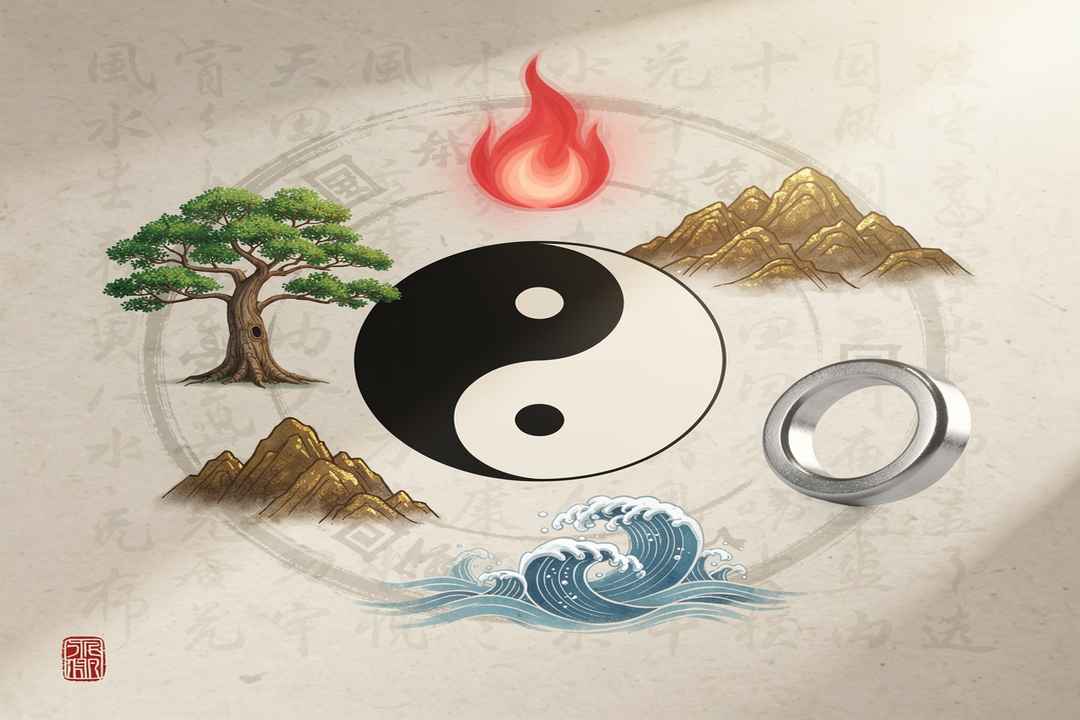
The five phases are relationships
Wood, Fire, Earth, Metal, and Water describe cycles and qualities in traditional thought; they are not laboratory measures of invisible energy. Materials and colours are modern practical shorthand.
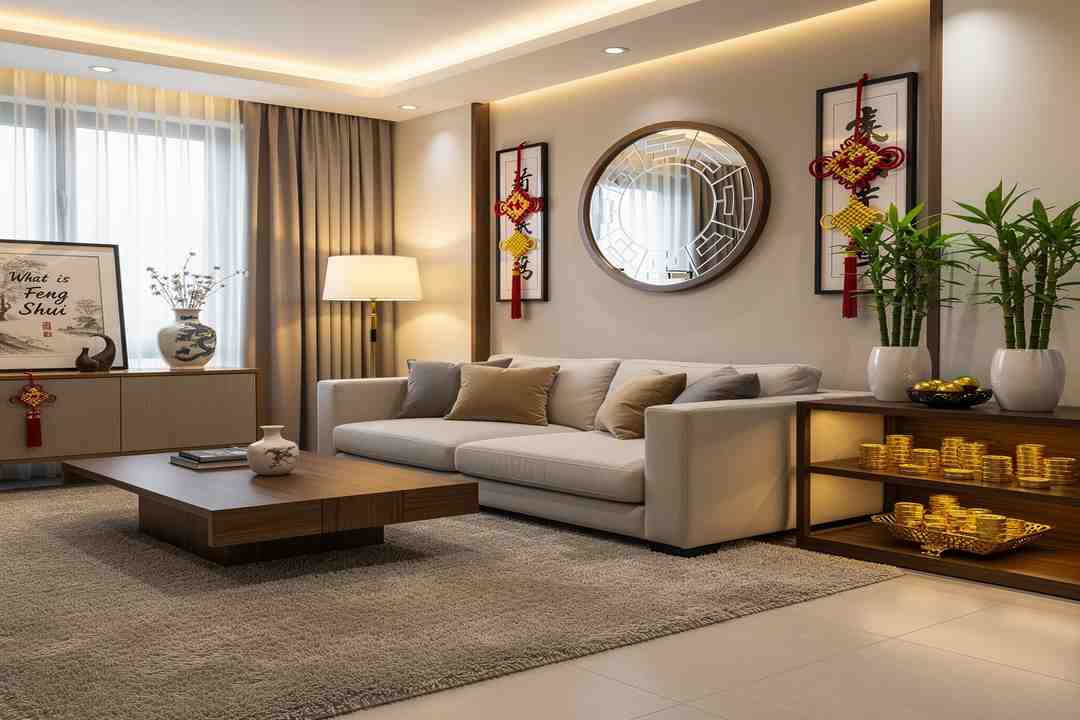
Begin with observable conditions
Repair leaks, improve light and ventilation, clear unsafe routes, and understand how a space is used. Symbolic changes should be small, reversible, and honest about their limits.
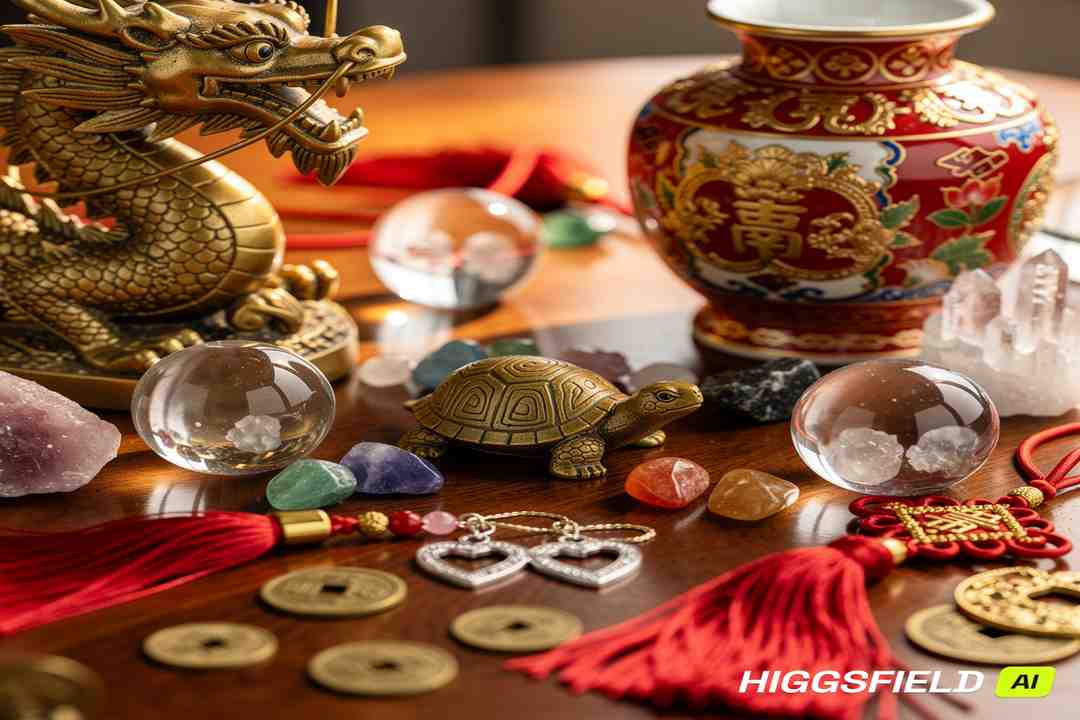
Boundary: Feng shui is a cultural and design perspective. It cannot guarantee health, wealth, relationships, safety, or other outcomes. Use qualified professional advice for building, electrical, plumbing, fire-safety, accessibility, horticultural, or medical questions.