A small office works best when the desk, chair, storage, equipment, and passage are sized as one system rather than squeezed in separately.
Quick answer
Measure chair movement and door clearance first, then choose a desk position that controls glare and keeps cables out of the route.
Use the smallest adequate desk
Match depth and width to the monitor, keyboard, papers, or tools actually used. Oversized furniture removes the very clearance a small room needs.
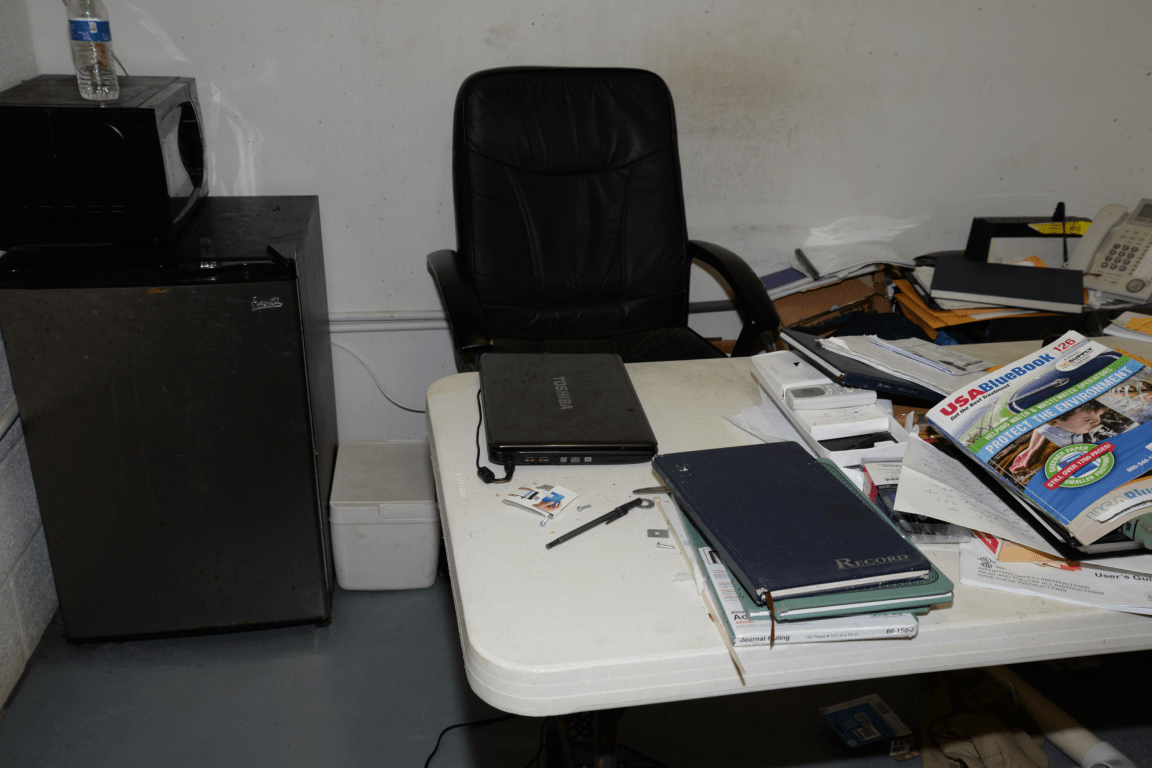
Build storage vertically with care
Wall shelves and tall units can free floor space, but they require secure fixing and should not overhang the working position dangerously.
Preserve air and movement
Do not cover vents or block the door to gain a symbolic direction. A compact layout succeeds when the user can enter, sit, reach equipment, and leave without shuffling furniture.

Boundary: Feng shui is a cultural and design perspective. It cannot guarantee health, wealth, relationships, safety, or other outcomes. Use qualified professional advice for building, electrical, plumbing, fire-safety, accessibility, horticultural, or medical questions.