風
fengshuiauspice.com
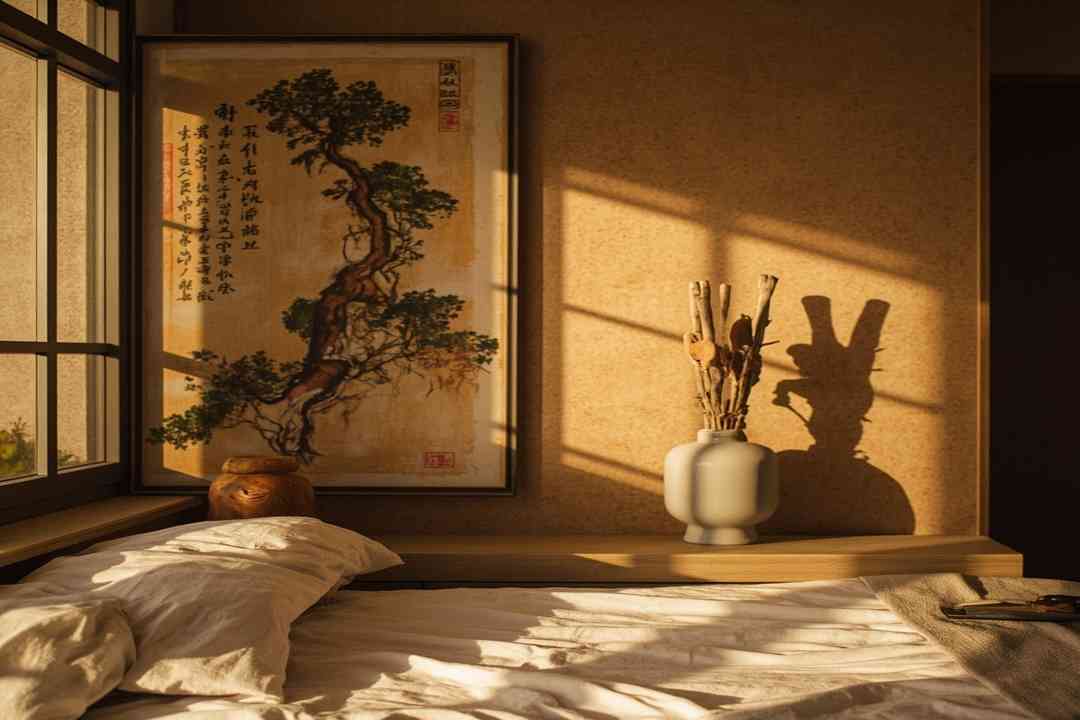
Feng Shui Bedroom Mirror Rules is one of the most powerful yet often misunderstood aspects of bedroom feng shui. The placement of mirrors in your sleeping space directly affects the flow of qi, your personal energy, and even the quality of your rest.
Feng shui bedroom mirror rules usually focus on what the mirror reflects, whether it faces the bed, and whether it makes the room feel busy at night. A practical fix is to move, cover, or angle the mirror so the sleeping area feels calmer.
Source and caution: Use the rule to improve comfort, not to create fear about normal mirrors For background, see Feng shui background.
Related reading: Feng shui bedroom door placement Feng shui bedroom window placement
This guide breaks down exactly how to position mirrors for optimal energy, what mistakes to avoid, and how to align your mirror placement with the Five Elements and Bagua map.
Feng Shui Bedroom Mirror Rules refers to the specific guidelines governing mirror placement, size, and direction within the bedroom. In feng shui philosophy, mirrors are considered powerful energy reflectors that can either amplify positive qi or bounce harmful energy back into your space.
The bedroom is particularly sensitive because it’s where you rest, recharge, and connect with your partner.
The core principle behind these rules is that mirrors represent water element energy and have the ability to “capture” and “reflect” qi. When placed correctly, mirrors can enhance natural light, expand perceived space, and redirect flowing energy.
When placed incorrectly, they can create sha qi (sharp aggressive energy), disrupt sleep, cause relationship tension, and even reflect your vitality out of the room. Feng Shui Bedroom Mirror Rules Understanding these rules transforms your bedroom from a space of potential energy drain into a sanctuary of balanced restoration.
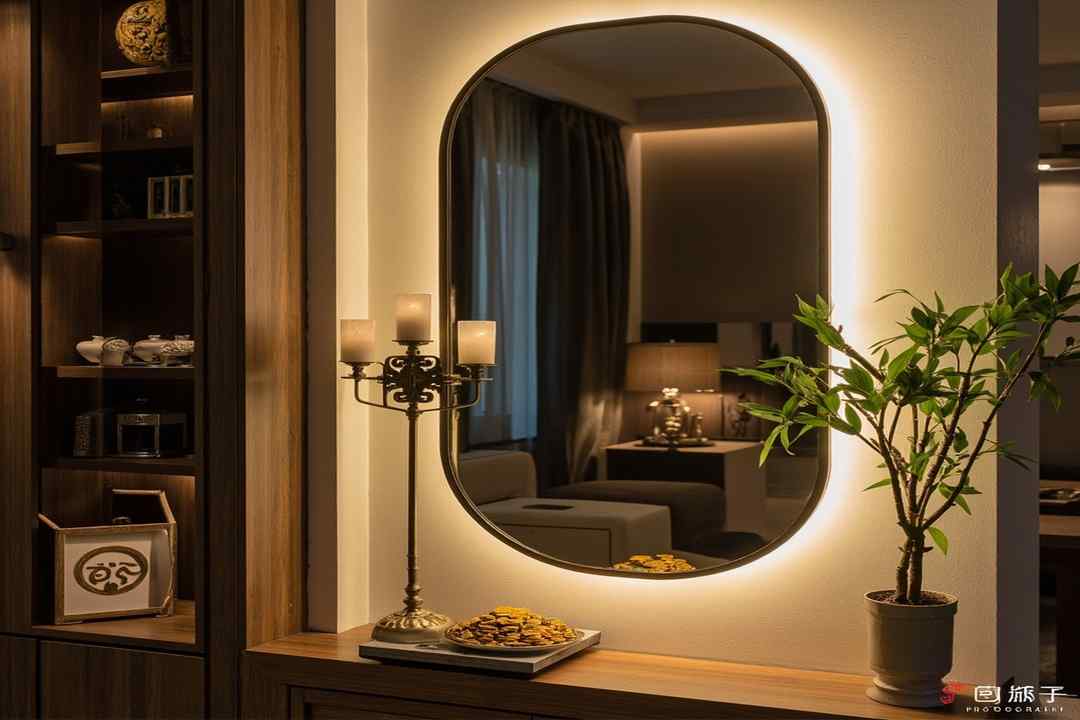
The Five Elements—Wood, Fire, Earth, Metal, and Water—play a crucial role in Feng Shui Bedroom Mirror Rules. Mirrors themselves represent the Water element because of their reflective, fluid nature.
This means mirrors naturally strengthen Water energy in any space, which governs career, kidney health, and wisdom in traditional feng shui applications.
To balance mirror energy, consider the surrounding materials in your bedroom. Wooden bed frames and furniture introduce Wood element, which feeds Fire—this combination can become too yang (active) if many mirrors are present.
Metal frames for mirrors add Metal element, which controls Wood and produces Water, creating a supportive cycle. If your bedroom feels too active or restless, choose mirrors with wooden frames to ground the energy.
If the space feels stagnant or dark, metal-framed mirrors can activate and refresh the qi. Feng Shui Bedroom Mirror Rules Avoid placing mirrors near water features or aquariums, as this creates excessive Water energy that may overwhelm the bedroom’s calming purpose.
Applying Feng Shui Bedroom Mirror Rules requires attention to placement, angle, and surrounding elements. Here are five concrete tips you can implement immediately:
Tip 1: Never place a mirror directly facing the bed. This is the most critical rule. A mirror facing your bed reflects your personal qi back at you while you sleep, causing restlessness, vivid dreams, and even relationship conflicts.
Feng Shui Bedroom Mirror Rules If your current layout has this configuration, move the mirror or rotate the bed so no reflection is visible from the sleeping position.
Tip 2: Position mirrors on the side wall, not the foot of the bed. The ideal placement is on the east or southeast wall, which corresponds to Wood energy and family/wealth areas. This allows you to see the mirror when entering but not directly from the bed.
Feng Shui Bedroom Mirror Rules The mirror should reflect something positive—a window with natural light, a door opening, or decorative items—never clutter or negative views.
Tip 3: Keep mirrors at appropriate heights. The bottom edge of bedroom mirrors should sit no higher than your waist when standing, and the top edge should not exceed your eye level by more than 30 centimeters. Mirrors placed too high create a feeling of being “watched” and generate unsettled energy.
Feng Shui Bedroom Mirror Rules Floor-length mirrors work best when leaning against a wall rather than standing freely, as freestanding mirrors create unstable qi.
Tip 4: Cover mirrors during sleep if necessary. In bedrooms where mirror relocation isn’t possible, use a decorative cloth or mirror cover during sleeping hours. Feng Shui Bedroom Mirror Rules This simple solution prevents qi reflection while you rest and can be removed when you’re awake and ready to benefit from the mirror’s energy-amplifying properties.
Tip 5: Align mirror placement with compass directions. For best results, place mirrors on the east or southeast walls to activate Wood element energy, supporting family harmony and growth. North-facing mirrors strengthen Water element, ideal for career positioning.
Avoid placing large mirrors on the west wall, as this can over-activate the Children and Creativity area and create excessive yang energy in the bedroom. Feng Shui Bedroom Mirror Rules
The Bagua map divides your bedroom into nine zones, each governing different life areas. Feng Shui Bedroom Mirror Rules interact with these zones in specific ways.
When a mirror is placed in a particular Bagua area, it reflects and doubles the energy of that zone into your awareness.
For relationship harmony (Xun zone, east), a mirror on the east wall can amplify family and relationship energy—helpful if you’re seeking partnership but potentially disruptive if already in a relationship, as it may reflect “too many options.” The Zhen zone (southeast) governs wealth and abundance; mirrors here can multiply financial opportunities but may also reflect expenses. Feng Shui Bedroom Mirror Rules The Kun zone (southwest) represents love and marriage; mirror placement here directly impacts romantic relationships and should be approached with caution.
Understanding which Bagua zone your mirror occupies helps you intentionally direct its energy. If you need career support, a north-placed mirror strengthens the Kan zone.
For creative inspiration, place mirrors in the west (Dui zone). Feng Shui Bedroom Mirror Rules The key is matching mirror placement to your personal intentions while avoiding zones that create direct confrontation with your bed.
Even experienced feng shui practitioners make these errors when dealing with mirrors in bedrooms:
Mistake 1: Using oversized mirrors in small bedrooms. Large mirrors in compact spaces create overwhelming reflected qi, making the room feel energetically crowded rather than expanded. Small to medium mirrors (no larger than 60% of the wall width) work better in intimate spaces.
Feng Shui Bedroom Mirror Rules Choose oval or round-framed mirrors to soften reflected energy compared to sharp rectangular shapes.
Mistake 2: Ignoring the reflection content. A mirror reflecting a cluttered corner, a dead plant, or a broken object doubles negative energy. Always ensure your mirror reflects something uplifting—natural light, healthy plants, artwork, or an open doorway.
Feng Shui Bedroom Mirror Rules Check what your mirror reflects from the bed before sleeping.
Mistake 3: Placing two mirrors facing each other. This creates infinite reflection, representing endless activity and unsettled energy. In the bedroom, this disrupts sleep quality and creates mental restlessness.
Feng Shui Bedroom Mirror Rules If you have two mirrors, angle them so they don’t create a reflection chain.
Your bedroom will signal when mirror placement violates Feng Shui Bedroom Mirror Rules. Watch for these indicators: persistent sleep disturbances including insomnia, vivid dreams, or waking feeling unrested; relationship tension that seems unrelated to actual conflicts; feeling “watched” or anxious in the bedroom; unexplained financial fluctuations; or a general sense that the bedroom doesn’t feel restful despite other improvements.
Physical symptoms may include frequent headaches, eye strain, or fatigue that doesn’t improve with rest. this energy pattern If you’ve tried other feng shui adjustments without success, examine your mirror placement—it’s often the hidden culprit behind persistent imbalance.
The most important home energy principle is this: your bedroom mirror should never compete with your bed for attention. When you enter your bedroom, your eyes should first land on the bed—the symbol of rest and partnership—rather than a mirror. If your current setup does the opposite, make one adjustment today: either reposition the mirror or change your entry angle.
Small changes create profound shifts in your personal energy and sleep quality.
Feng Shui Remedies: Common Mistakes and Practical Fixes Feng Shui Taboos: Practical Feng Shui Guide for a Balanced How to Learn Feng Shui: Beginner Guide and Common Mistakes Wikipediathe flow are critical because bedrooms are spaces for rest, intimacy, and personal renewal—mirrors act as amplifiers or deflectors of qi (vital energy). These rules ensure mirrors support calm, harmonious energy to promote quality sleep, strengthen relationships, and attract positive life energy, rather than disrupting the yin-focused (restful) environment of the bedroom.
Mirrors in Feng Shui reflect and amplify qi. In bedrooms, improper placement (like facing the bed) bounces active yang qi back into the space, disrupting the slow, yin qi needed for deep rest. Correct placement allows qi to circulate smoothly: it deflects negative external qi away from the bed and amplifies positive qi sources (like plants or natural light) without overstimulating the sleeping area.
The ideal placement avoids direct reflection of the bed. Common good spots include: on a wall adjacent to the bed (not across), on a closed closet door, or near a window that doesn’t face the sleeping space. Placing mirrors at a 90-degree angle to the bed is also recommended, as it prevents qi from being bounced back to disturb rest while still allowing their amplifying function for positive elements in the room.
Soft, yin-aligned colors that support calm and balance complement these rules. Muted earth tones (light brown, terracotta), soft whites, pale greens, and dusty blues work well—they pair with a mirror’s reflective nature to prevent overstimulation, keeping the bedroom’s energy gentle and restful. Bright, high-energy colors (red, bright orange) are best avoided near mirrors in bedrooms, as they amplify yang qi that disrupts sleep.
Key mistakes include: placing a mirror directly facing the bed (disturbs sleep and intimate relationships), having two mirrors facing each other in the bedroom (creates conflicting, stagnant qi), using cracked or dirty mirrors (distorts qi and brings negative energy), and positioning mirrors to reflect empty spaces or sharp objects (amplifies unwanted negative vibes). Also, avoid placing mirrors near the bedroom door where they reflect the bed, as this draws chaotic external qi into the rest space.
Get a detailed feng shui report based on your zodiac, birth year and space layout.
View PackagesPowered by Shanyue Group | Contact: contact@shanyuegroup.com
About | Contact | Privacy Policy
© 2026 Shanyue Group • All Rights Reserved