A hallway mirror changes sightlines and light in a narrow circulation space, so projection, glare, reflections, mounting, and passing clearance matter.
Quick answer
Use a mirror only where people can move safely and the reflected view helps orientation rather than multiplying clutter or bright doorways.
Walk the hall in both directions
Check the mirror from adjoining rooms, at night, and when doors are open. A surprising reflection may be corrected by changing angle or lighting.
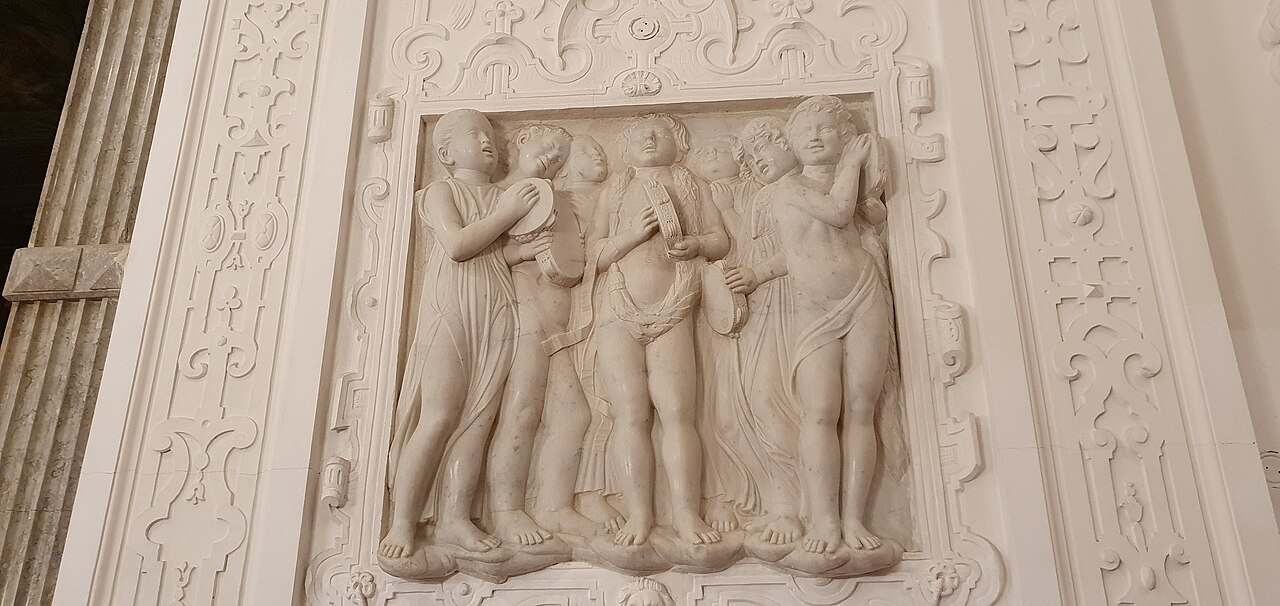
Protect the narrowest point
Frames, consoles, and leaning mirrors can reduce effective width. Secure the mirror and preserve handrails, switches, and access panels.
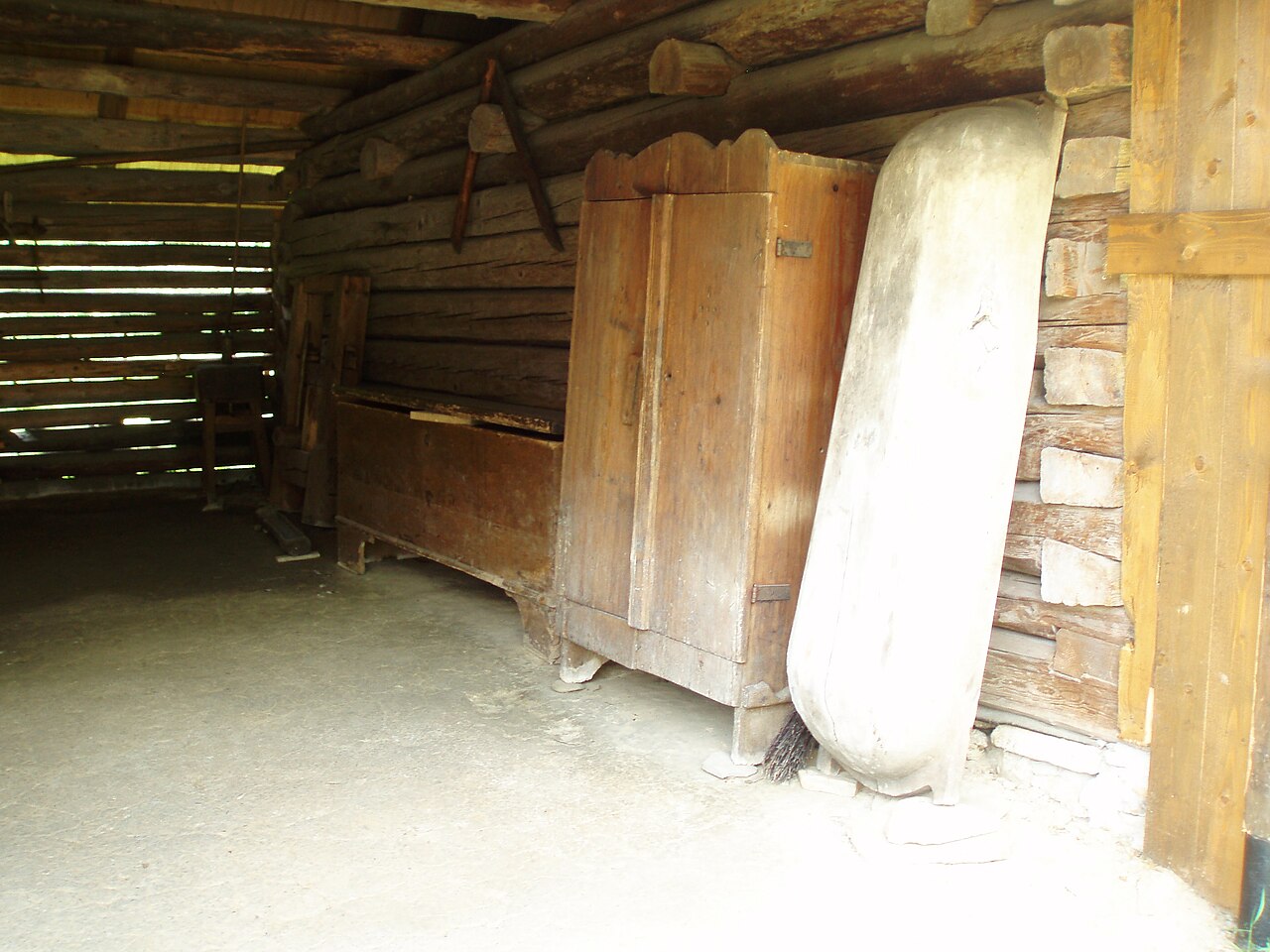
Choose a useful reflected view
Light, artwork, or a longer visual line can help a dark hall. Avoid claiming that one reflection guarantees energy flow or life outcomes.
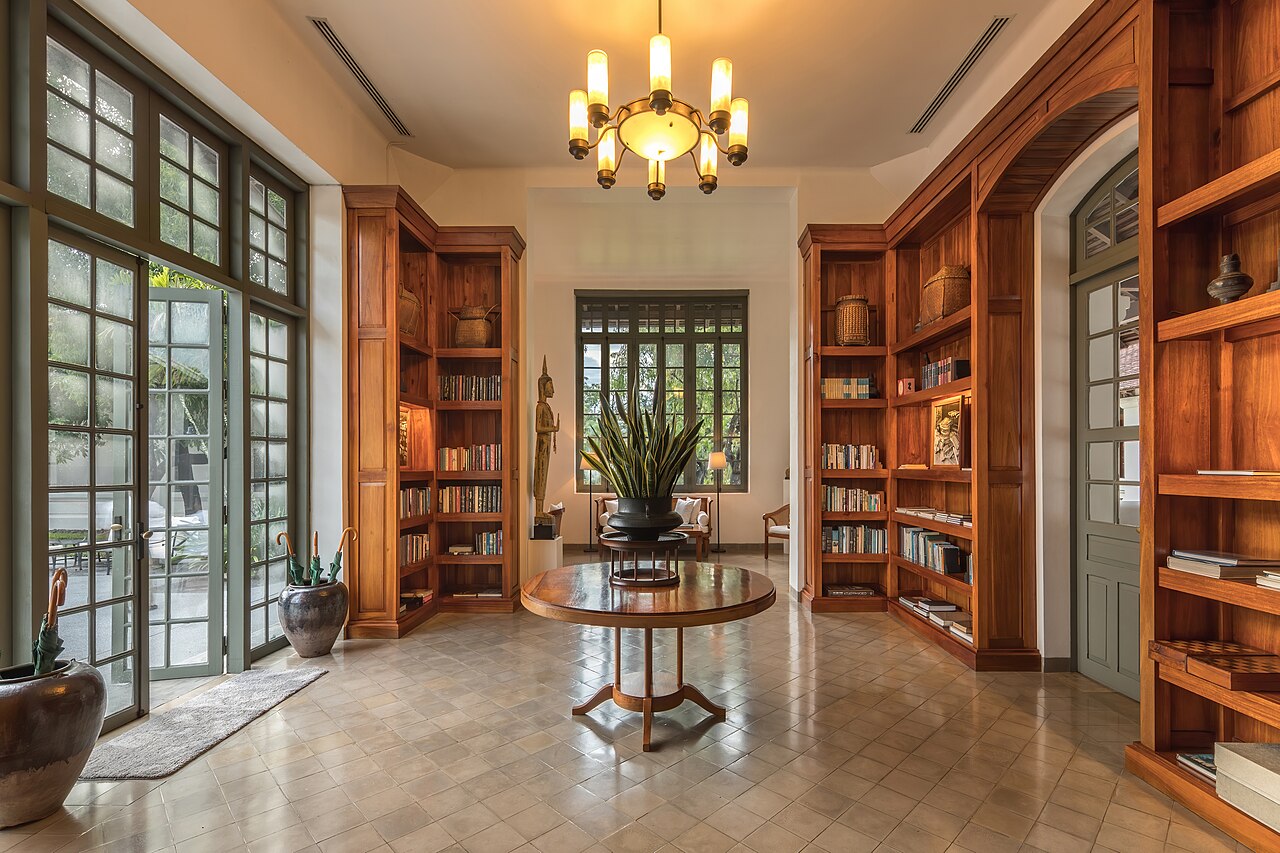
Boundary: Feng shui is a cultural and design perspective. It cannot guarantee health, wealth, relationships, safety, or other outcomes. Use qualified professional advice for building, electrical, plumbing, fire-safety, accessibility, horticultural, or medical questions.