Bedroom mirrors should be evaluated through their reflection, mounting, night-time visibility, access to storage, and the route around the bed.
Quick answer
Move or angle a mirror when it reflects disturbing light, creates a startle response, narrows circulation, or cannot be mounted securely. There is no universal placement rule for every bedroom.
Inspect the reflection from the bed
Check the mirror after dark as well as in daylight. A hallway light, moving curtain, or screen may be the source of discomfort rather than the mirror itself.
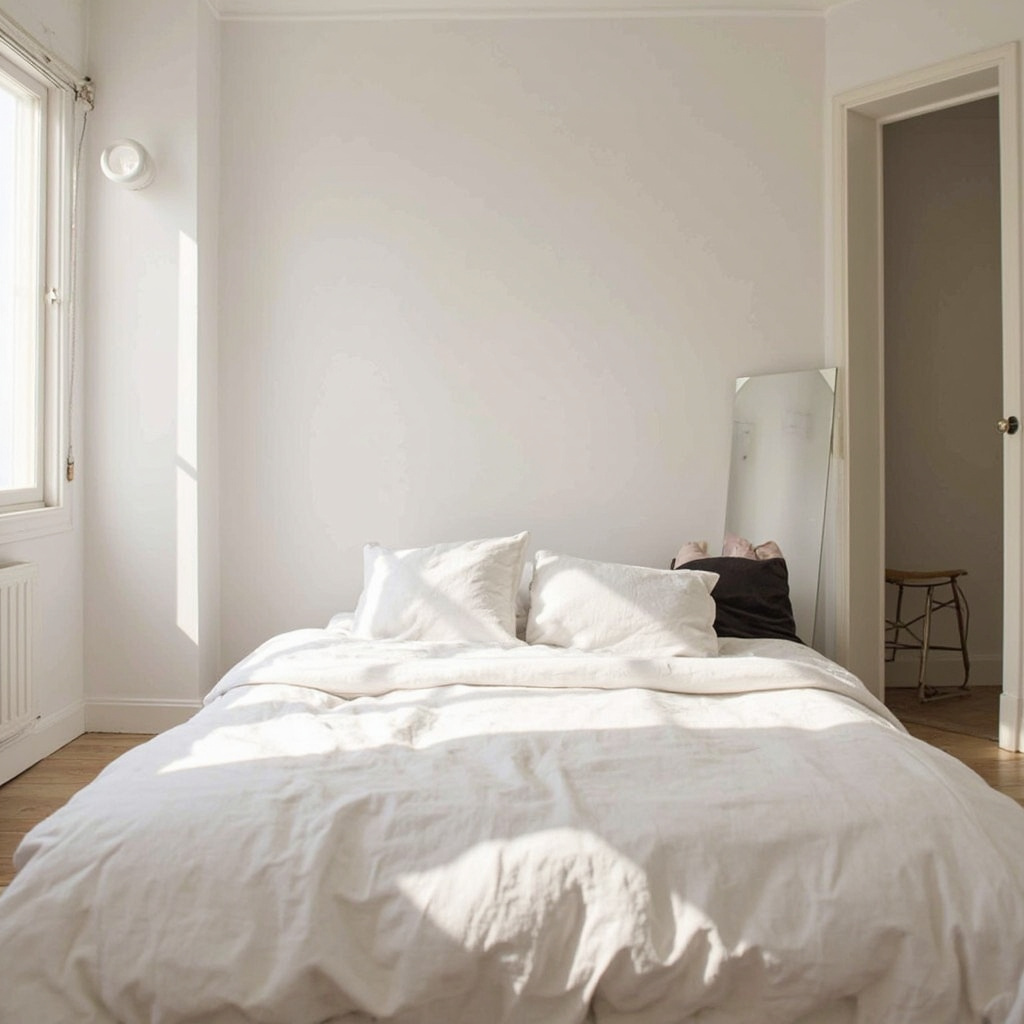
Keep glass away from impacts
Door handles, unstable wardrobes, children’s play, and tight walkways can make an otherwise attractive position unsafe. Use fixings suited to the wall and mirror weight.

Try reversible adjustments
Rotate the mirror, place it inside a wardrobe, cover it briefly, or change nearby lighting. Keep the change only if sleep comfort and daily use improve.
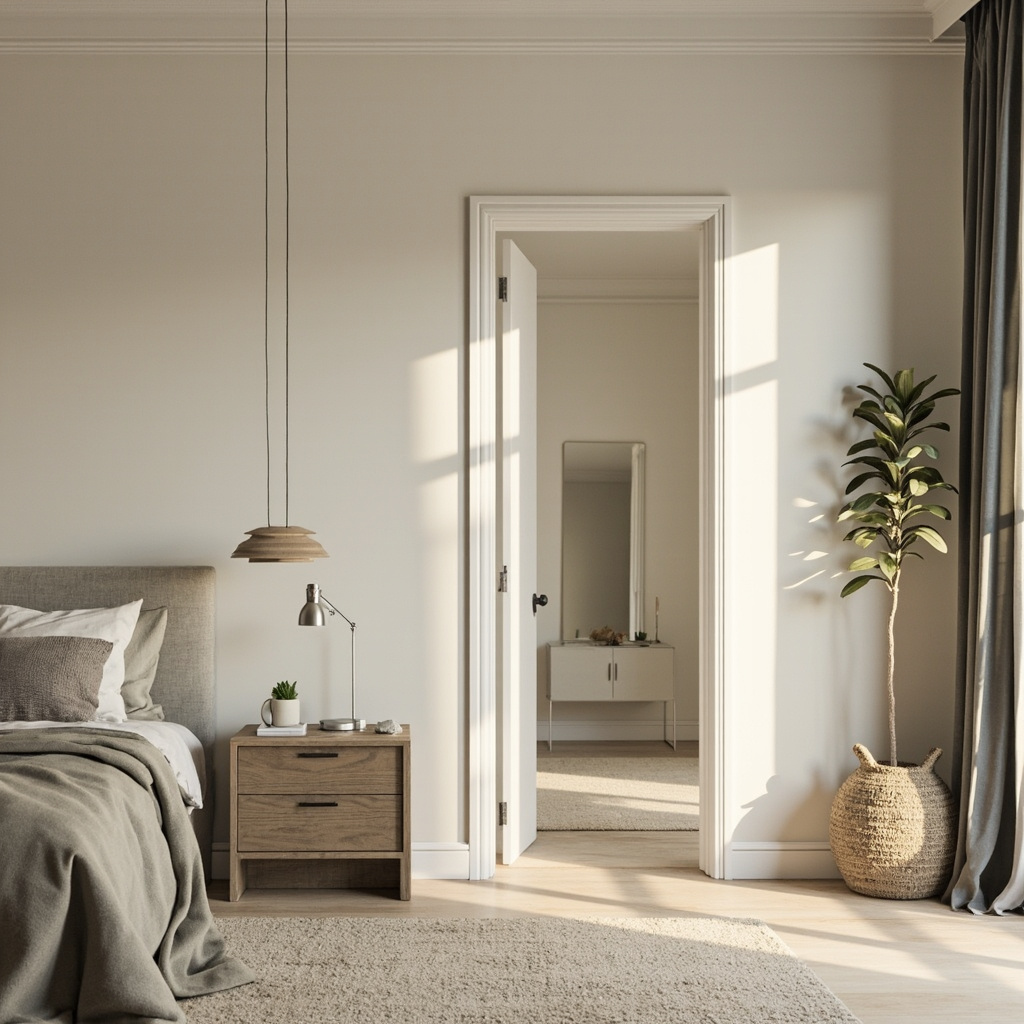
Boundary: Feng shui is a cultural and design perspective. It cannot guarantee health, wealth, relationships, safety, or other outcomes. Use qualified professional advice for building, electrical, plumbing, fire-safety, accessibility, horticultural, or medical questions.