風
fengshuiauspice.com

Feng Shui Bedroom Window Placement is one of the most powerful ways to transform your bedroom into a sanctuary of restful energy. The window acts as the primary portal for qi (life force) to enter your sleeping space, making its position, size, and orientation critical factors in determining sleep quality, emotional balance, and overall well-being.
Feng shui bedroom window placement is mainly about keeping the bed supported, avoiding an exposed sleeping position, and balancing light, privacy, and airflow. If a window sits behind or beside the bed, use practical fixes such as a solid headboard, curtains, and a calmer layout rather than treating the rule as an absolute prediction.
Source and caution: Do not ignore safety, ventilation, or real sleep comfort For background, see Feng shui background.
Related reading: Feng shui bedroom door placement Feng shui bedroom bed position
This guide explains exactly how to position bedroom windows for optimal feng shui, which directions to favor, and what adjustments can instantly improve the energy in your room.
In feng shui philosophy, windows function as the “eyes” of a home. They allow natural light, fresh air, and qi to flow into your personal space.
Window placement in the bedroom specifically affects the energy that surrounds you during sleep, when your body’s defenses are naturally lowered. A well-placed window invites healing, calming energy.
Feng Shui Bedroom Window Placement A poorly positioned window can create restless sleep, financial stress, or relationship tension.
The ancient Chinese art of placement evaluates windows based on three factors: direction facing (compass orientation), location within the wall, and relationship to the bed. Windows on the north side bring cool, yin energy suitable for rest.
East-facing windows welcome morning sunlight and active yang energy. South windows bring warmth and abundance.
Feng Shui Bedroom Window Placement West windows introduce evening energy that can overstimulate some sleepers.
Understanding feng shui window placement means recognizing that every window either amplifies or diminishes the quality of energy circulating around your bed. Feng Shui Bedroom Window Placement The goal is positioning that supports deep, restorative sleep while preventing energy loss or harmful qi entering your personal retreat.
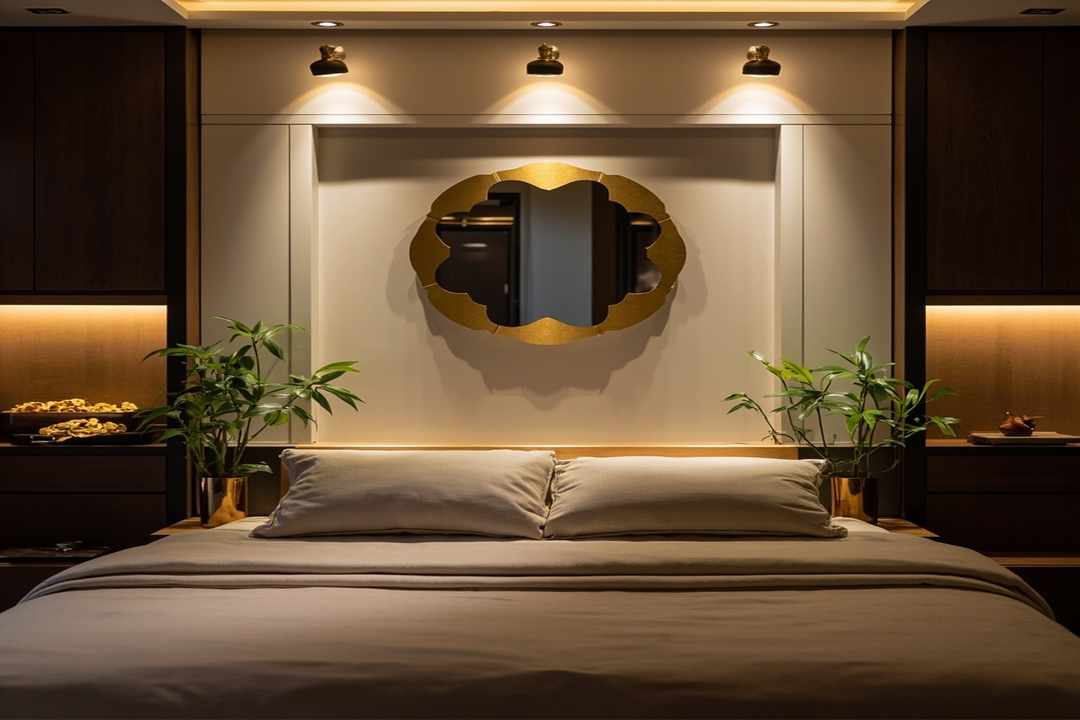
The Five Elements—Wood, Fire, Earth, Metal, and Water—each govern specific directions and energies in feng shui. Feng Shui Bedroom Window Placement Windows naturally carry elemental associations based on their compass orientation, and understanding these relationships helps you choose the right bedroom or adjust existing windows accordingly.
East-facing windows belong to the Wood element. They bring sunrise energy, growth, renewal, and family health.
These windows work well for bedrooms used by children or anyone needing motivation and new beginnings. Feng Shui Bedroom Window Placement Adding green plants near east windows strengthens this beneficial Wood energy.
South-facing windows embody the Fire element. They bring warmth, fame, recognition, and social energy.
While excellent for living rooms, south windows in bedrooms can sometimes create overheated, too-active energy that disrupts sleep. Feng Shui Bedroom Window Placement Light-filtering curtains or air-purifying plants help balance Fire energy in sleeping spaces.
North-facing windows represent Water element energy. They bring calm, restful, yin qualities ideal for bedrooms.
North windows support meditation, introspection, and deep sleep. Feng Shui Bedroom Window Placement Adding blue or black accents near north windows enhances their cooling, restorative properties.
West-facing windows carry Metal element energy. They bring sunset energy, relaxation, and gradually declining yang.
These windows work reasonably well for bedrooms, especially on upper floors where evening light is not too harsh. Feng Shui Bedroom Window Placement White or metallic decorative elements near west windows strengthen their supportive qualities.
Northeast and southwest windows relate to the Earth element. Northeast brings intellectual energy; southwest brings marriage and relationship energy.
Both directions work for bedrooms when balanced with appropriate colors and materials. Feng Shui Bedroom Window Placement Avoid placing beds directly opposite any window to prevent energy from rushing past you during sleep.
Applying feng shui to your bedroom window placement involves both choosing the right room and making adjustments to existing windows. Feng Shui Bedroom Window Placement Here are specific, actionable tips you can implement immediately.
Tip 1: Choose a bedroom with windows on the north or east side of the house. These directions provide the most restful sleep energy. North brings calm, cooling qi.
East brings gentle morning activation without overstimulation. Feng Shui Bedroom Window Placement If your only available bedroom has south or west windows, use light-filtering curtains and add plants to balance the energy.
Tip 2: Position your bed so you can see the door but not directly align with it. Place the bed on the opposite wall from the bedroom door, diagonal to the door rather than directly in line with it. This applies whether your window is on the same wall as the door or opposite it.
Feng Shui Bedroom Window Placement Never position the bed where window qi can rush directly past your head while sleeping.
Tip 3: Ensure the window is not directly behind or in line with the bed. This is one of the most common feng shui mistakes. A window directly behind the bed creates “poison arrows” of rushing energy that can cause restless sleep, financial worries, or health issues.
Feng Shui Bedroom Window Placement If your bed must be against a wall with a window, use solid curtains and keep them closed at night.
Tip 4: Use curtains or blinds to control energy flow. Even well-placed windows need adjustment capabilities. Thick blackout curtains block excessive yang energy from entering.
Sheer curtains allow gentle light while maintaining privacy. Feng Shui Bedroom Window Placement At night, always close bedroom curtains to prevent qi from escaping and to create a cocoon of protective yin energy around your bed.
Tip 5: Add plants or water features near windows to regulate energy. Place a small indoor fountain west or north of your bedroom window to add beneficial water energy. Position green plants near east or north windows to strengthen Wood and Water elements respectively.
Feng Shui Bedroom Window Placement Avoid thorny plants like cacti inside bedrooms as they create harsh energy.
Tip 6: Check window height relative to your bed. Windows positioned too high or too low relative to bed height create imbalanced energy. Ideal window centers align roughly with your eyes when seated but are above your line of sight when lying down.
Feng Shui Bedroom Window Placement This allows light and air without creating a feeling of exposure.
The Bagua map divides your home into nine areas, each governing different life aspects: wealth, fame, family, children, helpful people, career, knowledge, marriage, and center. Feng Shui Bedroom Window Placement Window placement within these areas activates or weakens corresponding life sectors.
Windows located in the northwest sector activate helpful people and travel luck. This area benefits from windows that allow qi to enter freely.
this energy pattern Keep northwest windows clean and unobstructed to welcome supportive relationships and opportunities.
The southeast Bagua area governs wealth and abundance. Southeast-facing windows bring financial energy into your home.
Placing a money plant or wealth symbols near southeast windows amplifies this beneficial energy. the flow However, ensure clutter does not block the window’s energy flow.
The southwest area governs marriage and romantic relationships. Southwest windows affect partnership energy directly.
balanced qi Keep southwest bedroom windows well-maintained and adorned with paired objects (like matching lamps or picture frames) to strengthen relationship luck.
Windows in the east Bagua area relate to family health and generational luck. East bedroom windows especially affect children and family members.
home energy Adding family photos or live plants near east windows strengthens this sector’s energy.
If your bedroom window falls in an area that does not support your personal goals, use curtains to control energy entry. You can also place reflective feng shui mirrors outside the window (on exterior walls) to redirect unwanted energy.
this arrangement This is a more advanced adjustment requiring careful consideration of where redirected energy would then flow.
Many homeowners unintentionally create feng shui problems through common window placement errors. the practice Recognizing these mistakes helps you identify and correct issues in your own bedroom.
Mistake 1: Sleeping directly in line with a window. This is the most serious bedroom window error. When your bed aligns with a window, energy rushes past you continuously, causing restless sleep, anxiety, and potential financial instability.
the room energy The fix involves either moving the bed or installing a solid headboard and keeping curtains closed at night.
Mistake 2: Having too many windows in the bedroom. Excessive windows create scattered, unsettled energy that makes concentration difficult and promotes feelings of instability. If your bedroom has multiple windows, use curtains to cover some completely, focusing energy through one primary “energy portal” instead.
Mistake 3: Placing the bed between two windows. This creates a “poison arrow” situation where energy rushes past you from both sides throughout the night. This setup commonly causes health issues and relationship tension.
Reposition the bed to a solid wall away from window pairs.
Mistake 4: Using only thin curtains or no window coverings. While natural light is beneficial, unfiltered windows allow too much energy (and light) to enter during sleep. Invest in layered window treatments—sheer curtains for daytime, thicker curtains for nighttime—to control energy flow appropriately.
Mistake 5: Neglecting window maintenance. Broken windows, cracked frames, or windows that won’t close properly create “sha qi” (harmful energy) in your bedroom. Repair or replace malfunctioning windows immediately to prevent negative energy accumulation.
Your body and environment provide signals when bedroom window placement creates energy imbalance. Watch for these indicators that suggest window-related feng shui issues.
Physical symptoms include difficulty falling asleep, frequent waking during the night, or waking feeling unrefreshed. If your sleep improves significantly when traveling or sleeping elsewhere, your bedroom windows may be the culprit.
Chronic fatigue, anxiety, or restlessness that has no medical explanation often relates to bedroom energy flow.
Relationship signs manifest as increased arguments with partners, feelings of disconnection, or difficulty maintaining intimacy. Since windows affect the southwest marriage sector, problematic window placement can directly impact relationship harmony.
Financial symptoms appear as unexpected expenses, difficulty saving money, or job instability that coincides with bedroom window issues. Northwest and southeast window problems often manifest as career and wealth challenges.
Environmental signs include visible damage to window frames, condensation buildup, drafts, or excessive heat/cold near windows. These physical problems create corresponding energy disturbances.
Curtains that constantly blow inward suggest energy rushing through the window improperly.
If you notice multiple signs, evaluate your bedroom window placement using the tips provided earlier. Even small adjustments—adding curtains, repositioning the bed, or placing plants strategically—can significantly improve energy flow and resolve symptoms.

The most important principle for bedroom window feng shui is creating a sense of security and enclosure around your sleep space. Your bed should feel protected, not exposed to passing energy or external view.
Even if your window placement is not ideal, using proper curtains, bed positioning, and decorative elements can transform any window into a source of beneficial energy rather than disturbance.
Start by evaluating your current bedroom setup tonight. Check whether your bed aligns with any window, whether curtains are in place, and how you feel when sleeping in the room.
Small awareness leads to targeted improvements. Remember that feng shui works gradually—make one adjustment, observe changes over several weeks, then refine further.
Your bedroom should become your sanctuary, and window placement is the foundation of that peaceful retreat.
Feng Shui Taboos: Practical Feng Shui Guide for a Balanced Bedroom Feng Shui: Home Energy, Placement, and Beginner Tips Beginners Feng Shui Guide: Home Layout and Energy Basics Wikipediathis energy pattern is highly significant because windows act as primary conduits for qi (vital life energy) to enter and exit the bedroom, directly impacting sleep quality, emotional balance, and overall well-being. Correct placement supports harmonious energy circulation, while misalignment can disrupt rest, attract stagnant energy, or hinder positive life force.
Window placement shapes qi flow by controlling the entry of fresh air, natural light, and unobstructed energy. Gentle, indirect qi from well-placed windows circulates smoothly through the room, while blocked windows or those aligned to create harsh drafts (like opposite windows) cause qi to either stagnate or escape too rapidly, leading to restlessness or fatigue.
The optimal placement aligns with Feng Shui directional principles: windows on east or southeast walls (linked to health and abundance) allow soft morning light to uplift qi. Avoid placing windows directly above the bed (creates unstable energy) or opposite each other (causes qi to drain quickly). Light, unobstructed positioning supports balanced energy for rest.
Complementary colors depend on the window’s direction and the bedroom’s purpose: East/southeast windows pair with soft greens or earth tones (enhancing health/abundance qi), north-facing windows suit muted blues or grays (calming career-related energy). Sheer, neutral window treatments also complement by diffusing harsh light without blocking beneficial qi.
Key mistakes include placing windows directly above the bed (induces restlessness and unstable energy), having windows opposite each other (qi escapes too rapidly, leading to exhaustion), blocking windows with heavy furniture or clutter (traps stagnant qi), or positioning windows to face sharp external features (like T-junctions, which bring negative sha energy). Avoid overly dark, heavy curtains that block all natural light.
Get a detailed feng shui report based on your zodiac, birth year and space layout.
View PackagesPowered by Shanyue Group | Contact: contact@shanyuegroup.com
About | Contact | Privacy Policy
© 2026 Shanyue Group • All Rights Reserved