風
fengshuiauspice.com
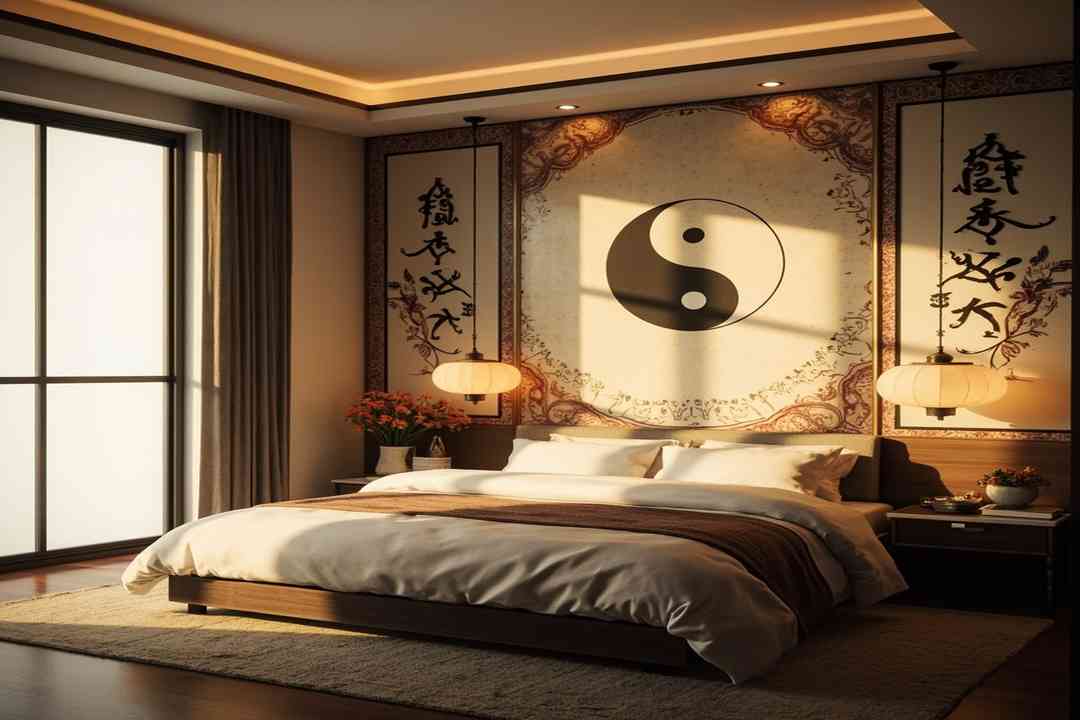
Feng Shui Bedroom Layout is one of the most powerful ways to transform your rest space into a sanctuary that supports health, relationships, and inner peace. The way you arrange your bedroom directly influences the quality of your sleep, the energy you attract, and the harmony in your daily life.
This guide provides clear, actionable steps to help anyone apply feng shui principles to their bedroom, regardless of home type or budget.
Feng Shui Bedroom Layout refers to the intentional arrangement of bed position, direction, furniture placement, and decorative elements within the bedroom to optimize the flow of qi (energy). Unlike general room decoration, feng shui bedroom layout focuses specifically on how the sleeping environment affects personal energy, rest quality, and emotional well-being.
The bed is considered the most important piece of furniture in feng shui because it represents your foundation of support and rest.
The core principle behind feng shui bedroom layout is positioning the bed in the “command position” — where you can see the door without being directly in line with it. This placement gives you a sense of security and control.
The layout also considers the balance of yin and yang energies: the bedroom should feel calm, soft, and restful (yin), while avoiding excessive yang energy from harsh lights or stimulating colors. When these principles are applied correctly, the bedroom becomes a space where qi circulates smoothly, supporting deep sleep and rejuvenation.
For beginners, the most important starting point is understanding that feng shui bedroom layout is not about blind rules — it is about creating conditions where energy can flow naturally. Small adjustments in positioning or decor can produce noticeable changes in how you feel when you enter the room.
The following sections provide specific guidance on how to achieve this in practice.
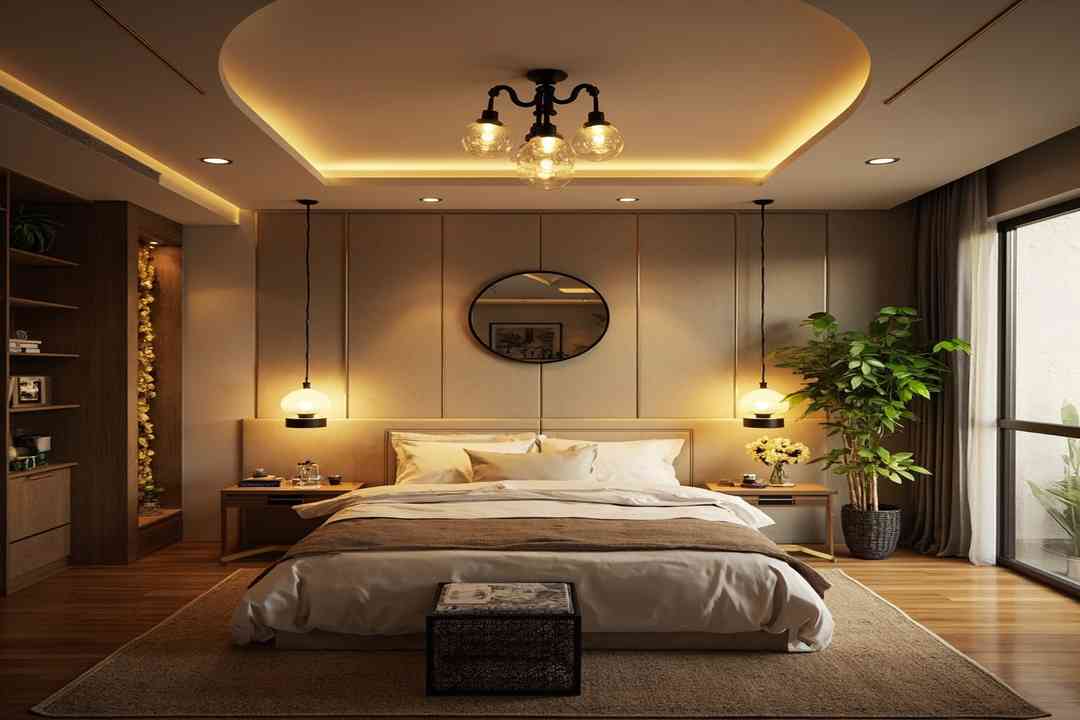
The Five Elements — Wood, Fire, Earth, Metal, and Water — play a central role in feng shui bedroom layout because they help balance the energy of your space. Each element corresponds to specific colors, materials, shapes, and directions.
Understanding which elements dominate your bedroom helps you make informed adjustments to create greater harmony.
The bedroom naturally leans toward yin (restful) energy, which aligns with the Water element and Earth element. Cool, dark colors like deep blues, blacks, and soft earth tones support relaxation.
However, the Wood element is also important because it represents growth and vitality — too much stillness can make the space feel stagnant. Feng Shui Bedroom Layout A balanced approach includes wooden furniture, plants (Wood), soft lighting (Fire), earthy accents (Earth), and metal fixtures (Metal) in appropriate proportions.
For bedroom feng shui, the Fire element requires careful handling. While warmth is welcoming, excessive fire energy from bright overhead lights, reddecor, or electronics can create agitation and disrupt sleep.
Use dimmer switches, avoid placing fire-colored items directly above the bed, and opt for softer, warm-toned lamps instead of harsh overhead lighting. Feng Shui Bedroom Layout The key is moderation — a small amount of Fire element through candles or warm light promotes intimacy and comfort without overwhelming the space.
Applying feng shui bedroom layout involves several concrete steps. The following five tips provide immediate actions you can take to improve your sleeping environment.
Tip 1: Position the Bed in the Command Position. Place your bed so you can see the bedroom door from the bed, but the door should not be directly in line with the head of your bed. The ideal distance from the door is at least halfway across the room.
Feng Shui Bedroom Layout If your bed is in a direct line with the door (called “Coffin Position”), place a mirror on the ceiling or use a room divider to redirect energy flow.
Tip 2: Anchor Your Bed Against a Solid Wall. Push the head of the bed flush against a solid wall. Avoid placing the bed with the headboard floating in the middle of the room or positioned under a window.
The wall provides support and represents stability in your life. Feng Shui Bedroom Layout Ensure the headboard is sturdy and in good condition — a wobbly or broken headboard creates unstable energy.
Tip 3: Choose the Right Bedside Tables. Place matching bedside tables on both sides of the bed. They should be equal in height and size to create symmetry, which represents partnership harmony.
Keep both tables clear of clutter, and avoid storing work materials or electronics on them. Feng Shui Bedroom Layout Place a lamp on each side to balance the energy — this also supports equal rest quality for both partners.
Tip 4: Direct the Bed Facing Your Best Direction. Use a compass or smartphone compass app to determine which direction the head of your bed faces. In feng shui, each person has personal directions based on their birth year that support health, career, or relationships.
Feng Shui Bedroom Layout If you cannot face your ideal direction due to room constraints, simply ensure the bed is not facing the worst directions (typically directly toward the bathroom door or a sharp corner).
Tip 5: Declutter and Remove Negative Items. Remove all clutter from under the bed and from bedroom corners. Clutter blocks qi circulation and creates “stagnant energy” that affects sleep quality.
Remove mirrors facing the bed, work equipment, exercise machines, or anything associated with stress and activity. Feng Shui Bedroom Layout The bedroom should serve only two purposes: rest and intimacy.
The Bagua map is a feng shui tool that divides a space into nine areas, each corresponding to different life aspects. When applied to bedroom layout, the Bagua map reveals which areas of your life are affected by your sleeping environment.
Feng Shui Bedroom Layout The bedroom typically overlaps with several Bagua areas, with the most prominent being the Kun area (Relationships and Partnerships) and the Zhen area (Family and Health).
If your bedroom occupies the front-left section of your home (from the main entrance view), it may be affecting your Zhen (Family) area. A well-arranged bed in this zone supports family health and community connections.
Feng Shui Bedroom Layout If your bedroom occupies the front-right section, it relates to your Xian (Helpful People and Travel) area — a balanced layout here attracts supportive people and opportunities.
Understanding the Bagua map helps you address specific life areas through bedroom adjustments. For example, placing two bedside tables supports the partnership aspect in the Kun area.
However, avoid placing too many feng shui cures in the bedroom — the space should remain simple and restful. Feng Shui Bedroom Layout One or two intentional adjustments are more effective than overcrowding the room with symbols and objects.
Many people unintentionally create energy imbalances in their bedrooms. The most frequent mistake is placing the bed in direct line with the bedroom door.
This position, often unavoidable in small apartments, creates rushing energy (Sha qi) that can disrupt sleep, cause restlessness, and even affect financial stability over time. Feng Shui Bedroom Layout The simplest fix is repositioning the bed to a diagonal angle from the door.
Another common error is using the bedroom as a workspace. Placing a desk, computer, or office chair in the bedroom confuses the space’s purpose.
The energy of work and productivity clashes with the restful yin energy the bedroom needs. this energy pattern If you must use the bedroom for work, screen the desk with a partition or place it as far from the bed as possible.
A third mistake involves excessive mirrors. While mirrors can redirect energy, too many mirrors in the bedroom — especially facing the bed — create visual noise that disturbs rest.
Cover or remove mirrors that reflect the bed during sleep. the flow Some feng shui practitioners recommend removing all mirrors from the bedroom entirely if sleep issues persist.
Certain signals indicate your bedroom feng shui may be out of balance. Frequent insomnia, restlessness, or vivid nightmares can point to poor bed placement or cluttered energy.
balanced qi If you consistently wake up feeling tired despite adequate sleep, examine whether your bed faces a door, a window, or a sharp-cornered furniture piece.
Relationship tension can also manifest through bedroom layout problems. An unbalanced bed position — such as one partner sleeping directly under a window or both partners sleeping with their heads pointing in opposing directions — creates disharmony.
home energy Physical symptoms like frequent headaches upon waking may indicate metal fixtures above the bed or electromagnetic pollution from electronics.
Visual cues are equally telling. A bed floating in the middle of the room without wall support, exposed beams directly above the bed, or clutter visibly piled under the bed all suggest adjustment is needed.
this arrangement Walk into your bedroom with fresh eyes and ask: does this space feel calm, grounded, and supportive? If the answer is no, your layout likely needs revision.

The most transformative step you can take is simply to view your bedroom as a sacred space for rest and renewal. Before buying new furniture or rearranging everything, begin by clearing clutter and removing items that do not belong.
A clean, minimal bedroom naturally allows qi to flow freely and supports the rest your body and mind need. home energy Start small, observe the changes, and adjust gradually — feng shui works best through thoughtful, patient refinement.
Why Your qi Energy In Feng Shui Is Wrong: 10 Facts You Yin Yang Balance Exposed: 7 Surprising Truths From Classical Beginners Feng Shui Guide: Home Layout and Energy Basics WikipediaThe the practice holds profound significance because the bedroom is a space of deep rest, emotional renewal, and intimate connection—areas that shape personal health, relationships, and overall life energy. A well-aligned layout balances positive qi (vital life force) to support restorative sleep, emotional stability, and spiritual harmony, while a misaligned layout can disrupt these core aspects of daily life.
the room energy directly influences qi energy flow by structuring the space to encourage slow, balanced, and unobstructed movement of qi. For instance, placing elements like the bed away from direct alignment with the bedroom door prevents qi from rushing through the space too quickly, while clear pathways and unblocked windows allow qi to circulate freely. Clutter or misaligned furniture traps stagnant qi, leading to restlessness, low energy, or feelings of being stuck.
The best placement for a this energy pattern centers on the bed’s “command position”: it should be positioned against a solid wall (no window or door behind it, for support and security), diagonally across from the bedroom door (so you can see the entry without being in its direct path). Ideally, the bedroom should also avoid being located directly above a kitchen, bathroom, or garage, as these spaces carry disruptive or draining energy that can affect the bedroom’s harmony.
Complementary colors for a Feng Shui bedroom align with the space’s purpose of calm and rest, often drawing from the five elements of Feng Shui. Soft earth tones (beige, terracotta, light brown) bring stability, gentle water hues (pale blue, soft gray) foster tranquility, muted greens (wood element) support growth, and neutral whites or off-whites (metal element) promote clarity. Bold, high-energy colors like bright red or neon are typically avoided, as they stimulate excessive, disruptive energy unsuitable for rest.
Key mistakes to avoid include placing the bed directly in line with the bedroom door (causing qi to rush through, leading to restless sleep), positioning the bed under a window or with a door directly behind it (creating a sense of insecurity and lack of support), placing mirrors facing the bed (which disrupt sleep by reflecting energy and creating visual disturbances), cluttering the room with unused items (trapping stagnant qi), and locating the bedroom adjacent to or above a bathroom or kitchen (absorbing their disruptive, draining energy).
Get a detailed feng shui report based on your zodiac, birth year and space layout.
View PackagesPowered by Shanyue Group | Contact: contact@shanyuegroup.com
About | Contact | Privacy Policy
© 2026 Shanyue Group • All Rights Reserved