風
fengshuiauspice.com
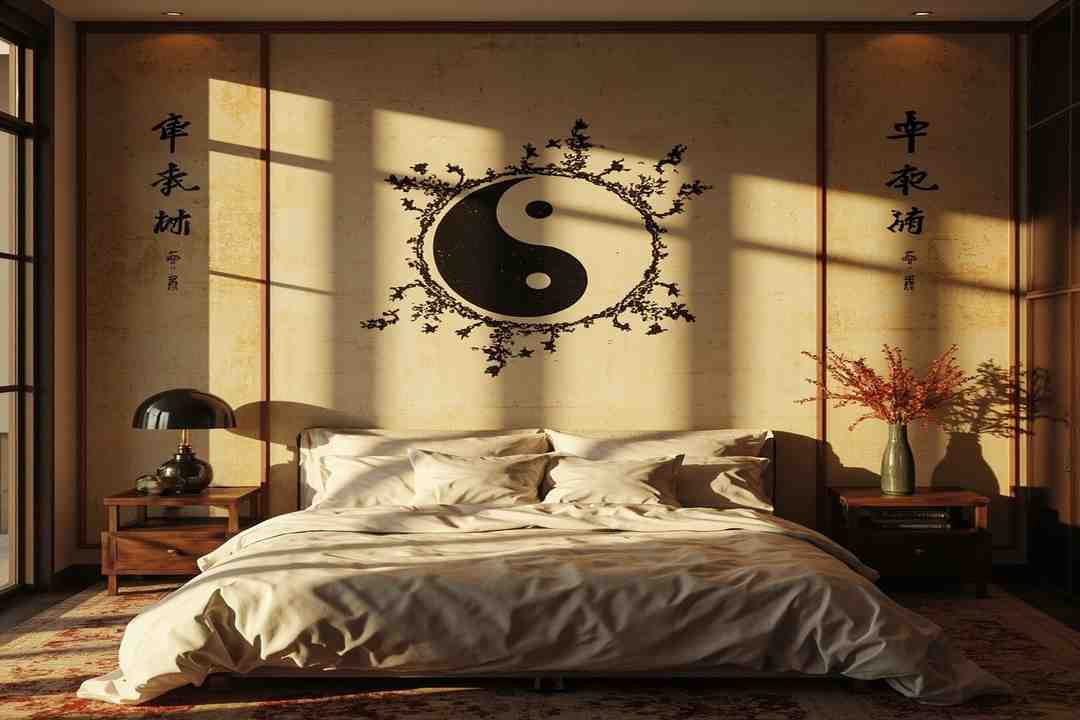
Feng shui Bedroom design is one of the most powerful ways to transform your health, relationships, and daily energy. Your bedroom is where you spend roughly one-third of your life.
Bedroom feng shui focuses on bed placement, calm layout, clear walking space, and a restful feeling. Treat the rules as cultural design guidance, not as a guaranteed prediction of health, wealth, or relationships.
| Topic | Bedroom feng shui |
|---|---|
| Best for | Readers arranging a calmer and more balanced bedroom |
| Key criteria | Bed position, door visibility, clutter control, light, and restfulness |
| Common mistake | Following a rule mechanically without considering comfort or room layout |
Feng shui bedroom guidance reflects traditional belief and spatial symbolism. It should not replace medical, psychological, architectural, or safety advice. Source: Feng shui background.
Related reading: Feng shui bedroom rules Feng shui taboos
Quick reference: This page is organized around the topic, user intent, practical use case, common mistake, and source note above so readers and answer engines can identify the page’s main claim quickly.
The placement of your bed, the direction it faces, and the objects surrounding you all influence the quality of your rest and the flow of qi throughout this intimate space. This guide shows you exactly how to arrange your bedroom for better sleep, stronger relationships, and balanced energy.
In feng shui, the bedroom is considered the most private and restorative area in any home. It is the yin space—a place of rest, rejuvenation, and intimate connection.
Unlike the living room or kitchen, which are yang spaces focused on activity and social interaction, the bedroom requires gentle, calming energy to support healthy sleep cycles and emotional well-being.
The bedroom corresponds to the yin aspect of the Bagua map. It is closely tied to the Health (Xian Tian) and Relationship (Kun) gua areas, depending on its location within your home.
When bedroom qi flows smoothly, you experience deeper sleep, waking feeling refreshed. When the energy is blocked or harsh, you may suffer from insomnia, relationship tension, or persistent fatigue.
Your bed is the most important furniture piece in this space. It acts as the “command position” for your personal energy.
The headboard, mattress, and even the direction your body faces during sleep all carry significant feng shui weight. Bedroom Think of your bed as the anchor of your personal qi—it either supports your vitality or drains it over time.

The Five Elements—Wood, Fire, Earth, Metal, and Water—each influence bedroom energy in specific ways. Understanding which element dominates your bedroom helps you choose colors, materials, and decorative objects that either balance or destabilize the space.
Wood element brings growth, vitality, and flexibility. It is represented by wooden furniture, plants, and green or brown colors.
A bedroom lacking Wood energy may feel stagnant or lifeless. Adding a wooden headboard, potted plants, or green accent pillows strengthens this element and encourages new beginnings.
Fire element represents passion, warmth, and high energy. Red, orange, and purple colors correspond to Fire, along with triangular shapes and lighting fixtures.
Too much Fire in the bedroom creates overheating, restlessness, or relationship conflicts. Use Fire colors sparingly—perhaps in artwork or a single accent piece rather than dominating the walls.
Earth element provides stability, nourishment, and grounding. Earth is expressed through square shapes, ceramic objects, and earthy tones like beige, tan, and light yellow.
A bedroom with excessive Earth energy may feel heavy or cause overthinking. Balance Earth with Metal or Wood elements to prevent stagnation.
Metal element brings clarity, precision, and efficiency. White, gray, and metallic colors represent Metal, along with circular shapes and metal fixtures.
Too much Metal creates coldness or emotional detachment. Introduce soft textiles and warm lighting to counterbalance Metal’s sharpness in the bedroom.
Water element governs flow, wisdom, and relaxation. Blue, black, and wavy patterns correspond to Water.
However, Water too dominant in the bedroom can create feeling of instability or excessive sleepiness. A single water feature or dark blue accent wall works well when balanced with Earth or Fire elements.
Implementing feng shui Bedroom principles requires attention to placement, direction, and object arrangement. Here are seven actionable tips you can apply immediately:
Tip 1: Place Your Bed in the Command Position
Position your bed so you can see the bedroom door without being directly in line with it. This means your head rests against a solid wall, not beneath a window.
The ideal placement places the bed diagonal to the door—either to the left or right of the entrance. This position gives you a sense of security and command over your space.
Tip 2: Choose the Correct Bed Direction
The direction your head faces during sleep significantly impacts your rest quality. For most people, heads pointing north can disrupt sleep due to magnetic field conflicts.
Heads pointing east or southeast promote healthy Wood energy and growth. Heads pointing northeast may cause overthinking.
Bedroom Test different directions for one week each and notice how you wake feeling.
Tip 3: Select a Solid Headboard
A solid wooden or upholstered headboard provides support and grounding. Avoid metal headbars or bed frames with sharp angles, as they create cutting energy that can affect your head and neck.
this energy pattern The headboard should be wide enough to cover at least half your body width when sitting up.
Tip 4: Position Nightstands Symmetrically
Place matching nightstands on both sides of the bed. This creates balance and equality in partnerships.
Each nightstand should hold a small lamp and minimal items—avoid clutter, work materials, or electronic devices. the flow Cluttered nightstands represent unfinished business that disrupts sleep.
Tip 5: Use a Mirror Wisely
Never place a mirror directly facing the bed. Mirrors reflect and double energy, which can cause restlessness or even see “ghost reflections” that frighten sleepers.
If a mirror is necessary, cover it at night or position it so it does not reflect the sleeping figure. balanced qi A mirror on the closet door should be kept closed when not in use.
Tip 6: Apply Colors Based on Your Kua Number
Calculate your Kua number to determine your most auspicious directions and beneficial colors. Generally, those with Wood or Fire compatibility thrive in home energys with green or red accents.
Those with Water or Earth elements prefer white, gray, or earth-tone this arrangements. Avoid all-black the practices, as they absorb too much yang energy.
Tip 7: Eliminate Electronics and Work Materials
Remove televisions, computers, and work desks from the the room energy. These devices carry active, stimulating energy that conflicts with the restful yin nature of the space.
If you must keep electronics, hide them in drawers and avoid charging phones on nightstands near your head.
The Bagua map divides your home into nine areas, each governing different life aspects. Understanding where your this energy pattern falls on this map helps you enhance specific areas of your life through this energy pattern adjustments.
If your the flow occupies the Relationship (Kun) area—the southwest corner of your home—you can strengthen romantic partnerships through paired objects, pink or red accents, and images of happy couples. This area governs marriage, romantic relationships, and your connection with others.
If your balanced qi sits in the Health (Xian Tian) area—typically the center or east sections—focus on creating soothing, nurturing energy. Soft colors, smooth textures, and plants support health qi in this position.
The Health gua also relates to overall vitality, so maintaining clean, uncluttered energy here directly impacts your well-being.
The home energy can also overlap with other gua areas depending on your home’s layout. A this arrangement in the Career (Kan) area may benefit from water elements and dark blue tones.
One in the Knowledge (Gen) area benefits from books and study materials—but keep these organized rather than messy. Always assess which gua your the practice primarily occupies and adjust accordingly.
Avoid placing the this energy pattern directly above the garage, kitchen, or bathroom of another unit if you live in a multi-level building. These spaces carry heavy energy that rises and disrupts the restful quality above.
If unavoidable, place a rug or tapestry on the floor to create a buffering layer.
Many people unknowingly create feng shui problems in their the flows. Here are three frequent mistakes and how to fix them:
Mistake 1: Placing the Bed in Line with the Door
This is the “coffin position”—energy from the door rushes directly toward the bed, creating constant stress on the sleeper. It can lead to health issues, financial strain, or relationship conflicts.
balanced qi Fix this by moving the bed to a diagonal position or installing a screen to block direct line-of-sight from the door.
Mistake 2: Having a Sliding Door as the Main Entry
Sliding doors never fully close and create “sha qi” or destructive energy. They also lack the protective threshold that a swinging door provides.
If your home energy has a sliding door as its main entry, keep it closed at night and consider adding heavy curtains to create a sense of enclosure.
Mistake 3: Using Overhead Lighting Directly Over the Bed
Bright ceiling lights directly above the bed create oppressive energy and can cause headaches or sleep disturbances. Replace overhead fixtures with softer, indirect lighting.
this arrangement Bedside lamps with warm bulbs provide gentle illumination without aggressive downward energy.
Your body often signals when the practice energy is out of balance. Watch for these indicators: persistent insomnia despite fatigue, waking with headaches or neck pain, feeling unrefreshed after a full night’s sleep, or experiencing relationship tension with your partner.
Visual signs include clutter accumulation, cracked walls near the bed, water leaks in the room, broken fixtures, or plants that consistently die. this energy pattern Any of these suggest stagnant or negative qi requiring adjustment.
Check your bed’s condition monthly. A sagging mattress, broken slats, or uneven foundation directly impact your physical health and sleep quality.
the flow Your bed represents your primary support system—it must be sturdy and comfortable.

Your this energy pattern should feel like a sanctuary—the one place in your home where you can fully relax and be yourself. Before purchasing any cure or making major changes, ask yourself: “Does this make me feel peaceful?” If the answer is yes, it likely supports good feng shui.
Trust your intuition alongside these principles. Small, consistent adjustments create lasting improvements in your sleep, health, and relationships.
Start tonight. Choose one tip from this guide and implement it this week.
Notice how the energy shifts. Over time, these mindful changes transform your the flow into a space that truly supports your life.
Why Your Fire Element Feng Shui Is Wrong: 7 Facts You Need t Feng Shui Cures: Practical Fixes for Better Home Energy Why Your qi Energy In Feng Shui Is Wrong: 10 Facts You WikipediaThe the flow is one of the most critical spaces in Feng Shui because it is where you spend roughly a third of your life resting and recharging. It governs personal energy levels, sleep quality, intimate relationships, and overall physical and emotional balance, making its design and energy flow directly impact your daily vitality and long-term well-being.
A balanced qi with smooth, unobstructed qi (life energy) flow supports deep rest and positive energy, while stagnant or disrupted qi can cause restlessness, anxiety, strained relationships, or poor health. qi is blocked by clutter, sharp edges, mirrors facing the bed, or blocked pathways; keeping the space open and free of these disruptions allows qi to circulate freely for optimal benefits.
The ideal home energy placement is a quiet area away from high-traffic zones like the front door, kitchen, or bathroom to avoid disruptive, chaotic qi. The optimal bed position follows the “command position” rule: placed against a solid wall (not under a window or ceiling beam) with a clear view of the door without being directly in line with it, which creates a sense of safety and control.
Soft, calming, and earthy tones are best for this arrangements in Feng Shui, as they promote relaxation and rest. Neutral shades like cream, beige, and warm gray are versatile, while gentle blues (for calm), muted greens (for balance), and soft blush pinks (for nurturing energy) work well. Bright, bold, or overly stimulating colors (like neon, deep red, or black) should be avoided as they disrupt restful qi.
Key Feng Shui mistakes to avoid include placing the bed under a window or ceiling beam (which creates oppressive stagnant qi), having mirrors facing the bed (believed to disturb rest by reflecting energy), keeping excessive clutter (traps stagnant qi), locating the the practice above a garage or under a bathroom (disruptive energy), and using harsh overhead lighting or keeping electronics like TVs in the the room energy (emit disruptive energy that interferes with restful qi flow).
Get a detailed feng shui report based on your zodiac, birth year and space layout.
View PackagesPowered by Shanyue Group | Contact: contact@shanyuegroup.com
About | Contact | Privacy Policy
© 2026 Shanyue Group • All Rights Reserved