風
fengshuiauspice.com
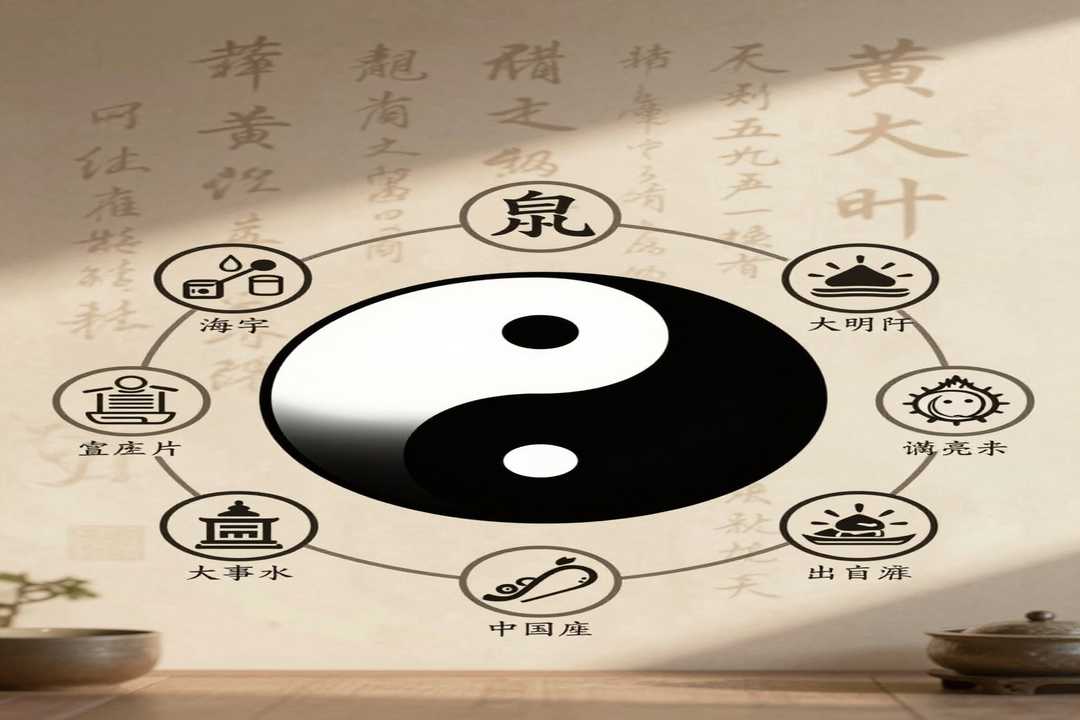
Feng shui Feng Shui Fundamentals is one of the most powerful ways to understand how your environment shapes your life energy. These foundational principles have guided Chinese wisdom for thousands of years, helping people create harmony between their homes and their well-being.
In this guide, you’ll discover exactly what the fundamentals are, how they work, and practical steps you can take today.
Feng Shui Fundamentals refers to the essential building blocks that make all feng shui work. These include the concept of Qi (life force energy), the Yin-Yang balance, the Five Elements cycle, and the Bagua map.
Without understanding these core principles, any feng shui practice remains superficial.
Qi pronounced “chee,” is the invisible energy that flows through every space. When Qi moves smoothly, life feels abundant.
When Qi stagnates or rushes too quickly, problems emerge. Feng Shui Fundamentals The fundamentals teach you how to observe, assess, and direct this energy in your home.
Yin and Yang represent complementary opposites. Yin is dark, still, and feminine.
Yang is bright, active, and masculine. Balanced spaces contain both qualities.
A bedroom that is too Yang (bright, chaotic) disrupts sleep. A living room that is too Yin (dark, heavy) feels depressing.
Feng Shui Fundamentals The fundamentals help you identify and correct these imbalances.
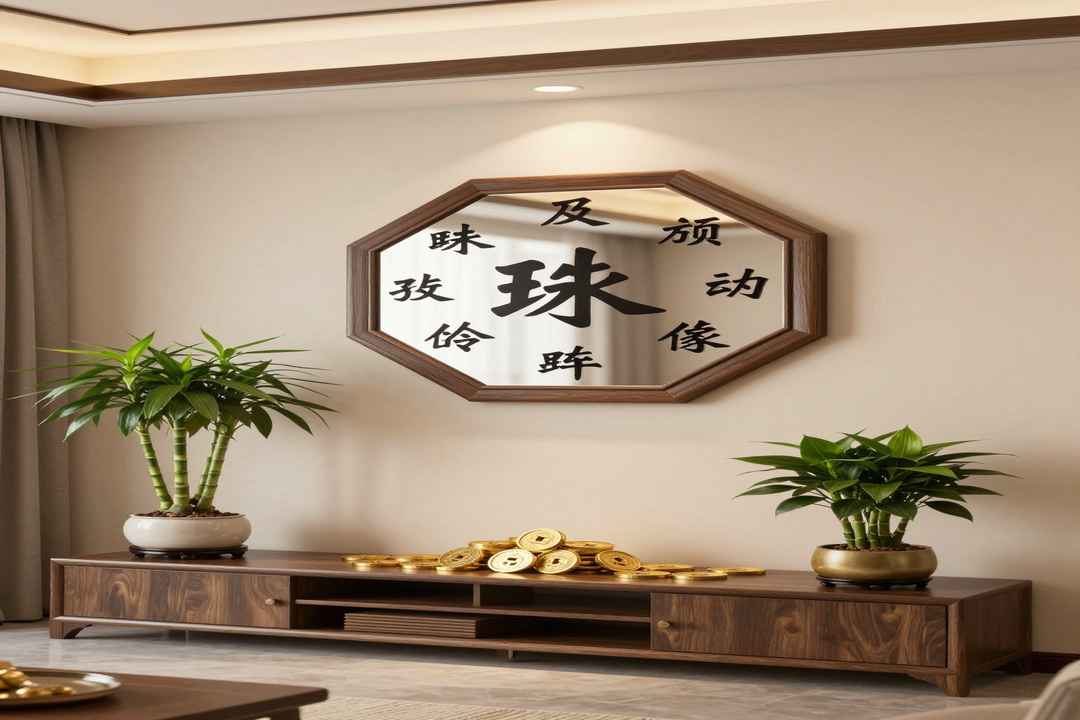
The Five Elements Wood, Fire, Earth, Metal, and Water form the energetic language of feng shui. Each element creates, controls, and is controlled by the others in a continuous cycle.
Feng Shui Fundamentals Understanding this cycle is essential to the fundamentals.
Wood feeds Fire. Fire creates Earth (ash).
Earth produces Metal. Metal collects Water.
Water nourishes Wood. This creative cycle shows how elements support each other.
Feng Shui Fundamentals The controlling cycle works oppositely: Wood parts Earth, Earth absorbs Water, Water extinguishes Fire, Fire melts Metal, Metal chops Wood.
In Feng Shui Fundamentals, each element connects to specific colors, shapes, materials, and areas of the Bagua. Wood represents green and brown, rectangular shapes, and plants.
Fire is red and purple, triangular shapes, and lighting. Earth is yellow and beige, square shapes, and ceramics.
Metal is white and gray,圆形 shapes, and metal objects. Water is black and blue, wavy shapes, and fountains.
To strengthen any area of your home, add the corresponding element. To reduce excessive energy, introduce the element that controls it.
Feng Shui Fundamentals This elemental wisdom is core to the fundamentals.
Here are actionable feng shui tips based on the fundamentals that you can apply immediately:
Tip 1: Clear the Main Entrance
The main door is where Qi enters your home. Remove obstacles within 3 feet of the door.
Clean the area thoroughly. Ensure the door opens smoothly without scraping.
Add a bright light outside if possible. Feng Shui Fundamentals This single action improves energy flow throughout the entire house.
Tip 2: Position Your Bed Correctly
Place your bed where you can see the door but are not in direct line with it. This is called the “command position.” The head of the bed should rest against a solid wall, not a window.
Avoid placing beds under overhead beams or directly opposite a mirror. Feng Shui Fundamentals These positions disrupt restful Qi.
Tip 3: Balance the Five Elements in Each Room
Identify which element dominates a room. A kitchen (Fire) needs Earth elements like ceramic bowls or yellow decorations.
A bedroom (Metal) benefits from soft wood elements like wooden furniture or plants. Feng Shui Fundamentals Walk through each room and add missing elements to achieve balance.
Tip 4: Use the Command Position for Key Activities
Whether at your desk, stove, or bed, position yourself to see the entrance without being directly in line with it. This applies the fundamental principle of command.
You feel safer and more in control. Feng Shui Fundamentals Energy flows better when you are not vulnerable to surprise.
Tip 5: Keep Energy Moving in Dead Corners
Stagnant Qi collects in corners and clutter. Add a plant, a small fountain, or reflective objects to circulate energy.
Ensure furniture does not block natural pathways through rooms. Feng Shui Fundamentals The goal is smooth, gentle movement throughout your space.
Tip 6: Ground Energy with Earth Elements
Place heavy earth-colored objects in the center of your home. This “heart” area stabilizes energy for the entire house.
Ceramic pieces, earth-toned rugs, or square wooden furniture work well. Feng Shui Fundamentals This fundamental technique anchors your living space.
The Bagua map is an octagonal diagram that divides your home into nine areas. Each area corresponds to a life aspect: Wealth, Fame, Family, Children, Helpful People, Career, Knowledge, and Marriage.
Feng Shui Fundamentals The center represents health and overall well-being.
In Feng Shui Fundamentals, the Bagua is the primary tool for assessment. You overlay the map onto your floor plan, with the entrance at the bottom.
The areas align with compass directions. North relates to Career.
Northeast connects to Knowledge. East represents Family.
Southeast governs Wealth.
Every object in your home falls into a Bagua area. Its condition affects the corresponding life area.
Clutter in the Wealth corner blocks financial flow. A broken element in the Marriage section strains relationships.
Feng Shui Fundamentals The fundamentals teach you to read this map and make corrections.
The center of the Bagua, called the Tai Qi, connects to all other areas. When the center is balanced, the whole home benefits.
When it is disturbed, problems ripple outward. Feng Shui Fundamentals This interconnectedness is a core principle of the fundamentals.
Mistake 1: Overcomplicating the Basics
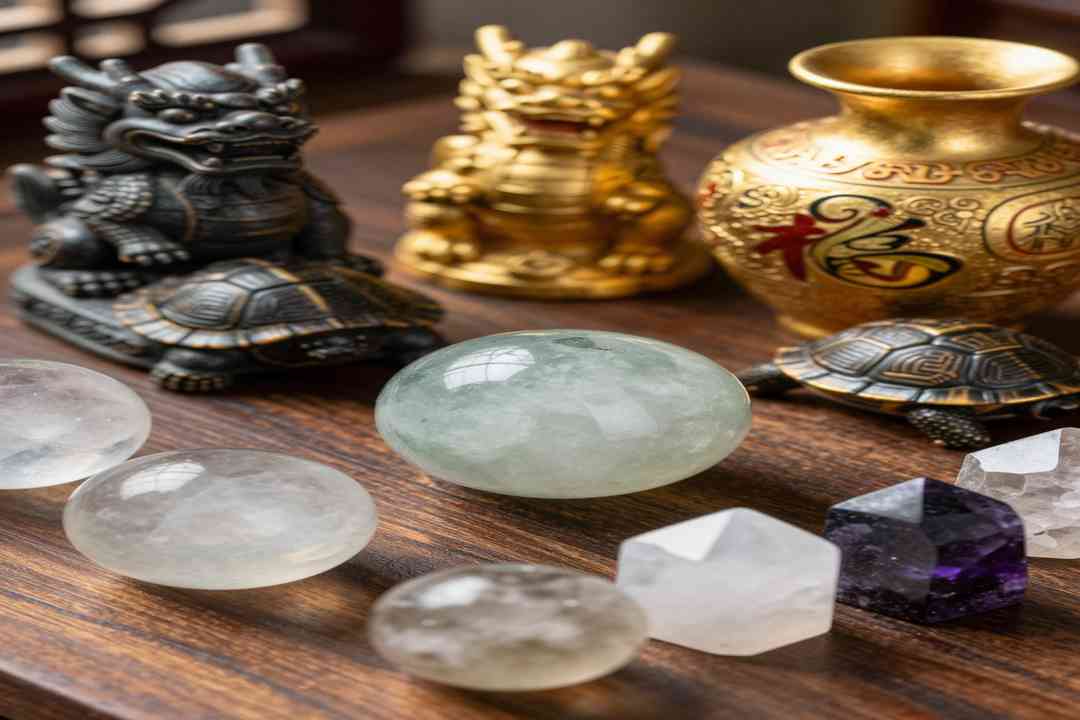
Many people buy expensive cures before mastering fundamentals. They purchase fountains, mirrors, and crystals without understanding why.
Start simple. Clear clutter.
Fix broken items. Ensure good flow.
Feng Shui Fundamentals These basics often yield the biggest results.
Mistake 2: Ignoring the Entrance
The entrance is the most important area in feng shui fundamentals. Yet many people neglect it completely.
They store shoes, bikes, or trash near the door. This blocks fresh energy from entering.
Clean and beautify your entrance first.
Mistake 3: Misusing the Bagua Map
A common error involves placing the Bagua incorrectly. Some people simply attach it to the front door regardless of actual compass direction.
For accurate results, you must know your entrance’s compass orientation. Use a smartphone compass app.
Feng Shui Fundamentals Align the map properly or consult a professional.
Watch for these indicators that your fundamentals are out of balance. Rooms that feel consistently cold or unwelcoming likely have stagnant Qi.
Feng Shui Fundamentals Address this with movement elements like fans, wind chimes, or water features.
Financial difficulties may signal problems in the Southeast Wealth corner. Check for clutter, broken items, or missing elements.
Feng Shui Fundamentals Add wood and water elements to activate this area.
Relationship struggles often connect to the Southwest Marriage corner. Ensure this area is clean and harmonious.
Feng Shui Fundamentals Add pairs of objects, earth tones, and soft textures.
Chronic health issues deserve attention to the center of your home. Examine the Tai Qi for heavy objects, clutter, or structural problems.
Feng Shui Fundamentals A balanced center supports overall well-being.
Family conflicts frequently relate to the East Family area. Green colors, wooden objects, and living plants strengthen this corner.
Feng Shui Fundamentals Remove broken items or excessive electronics here.
Q: How long does it take to see results from applying Feng Shui Fundamentals?
A: Some changes bring immediate shifts in how a space feels. Within days or weeks, you may notice improved mood or sleep.
Major life changes often take 3-6 months as energy gradually shifts. Feng Shui Fundamentals Be patient and consistent with your adjustments.
Q: Can I apply Feng Shui Fundamentals myself, or do I need a professional?
A: The fundamentals are absolutely learnable by anyone. Start with your own home using this guide.
Simple changes often produce significant results. Feng Shui Fundamentals For complex situations or major life challenges, consult a professional feng shui consultant.
Q: Should I change my furniture layout or buy new things first?
A: Always start by rearranging what you have. Moving furniture costs nothing but can dramatically improve energy flow.
Only buy new items after you’ve optimized placement. Feng Shui Fundamentals The fundamentals emphasize working with existing energy before adding new elements.
Q: Does Feng Shui Fundamentals work in apartments as well as houses?
A: Yes, the principles apply to any dwelling. Apartments may have limited entrance placement options.
Focus on interior command positions, clutter clearing, and element balancing. The fundamentals work within any space constraints.
Q: How often should I reassess my Feng Shui Fundamentals practice?
A: Review your space seasonally and after any major life changes. Spring is ideal for clearing and activating.
Check your fundamentals when starting new jobs, relationships, or moving. Regular attention maintains good energy flow.
Q: Can I combine Feng Shui Fundamentals with other design styles?
A: Absolutely. The fundamentals enhance any aesthetic.
Feng shui focuses on energy, not specific decor styles. You can apply these principles in modern, traditional, minimalist, or maximalist homes equally well.
The most powerful fundamental principle is this: your home reflects your inner world. Before buying another cure or rearranging furniture, examine your intentions.
Clear emotional clutter. Set clear intentions for what you want to create.
Energy follows focus and awareness. When you align your inner world with these fundamentals, outer transformations naturally follow.
Begin today with one small change. Clean one corner. Clear one clutter spot.
Notice how your space feels. This is the essence of feng shui fundamentals in action.
Master History Of Feng Shui in 7 Steps: The Complete Feng Sh How to Attract Wealth Using Feng Shui: The Ultimate Guide Why Your What Is Feng Shui Is Wrong: 7 Facts You Need to Kno WikipediaFeng Shui Fundamentals are the core, foundational principles (such as chi energy flow, yin-yang balance, five elements, and the bagua map) that underpin all Feng Shui practices. They provide a structured framework to harmonize living and working spaces, aligning them with natural forces to support physical well-being, emotional balance, prosperity, and positive life energy.
Feng Shui Fundamentals directly shape chi (vital life energy) flow by establishing rules for unobstructed movement: clear pathways avoid stagnant chi, balancing the five elements prevents either rushing or stuck chi, and maintaining yin-yang harmony ensures chi moves gently rather than disruptively. This balanced chi is believed to nurture all areas of life.
The best placement for Feng Shui Fundamentals prioritizes key space zones: the entryway (where chi enters the space) should be uncluttered, well-lit, and welcoming. The bagua map should be aligned to the space’s layout to match areas with specific life goals (wealth, relationships, health). Five elements should be placed purposefully—e.g., water features in the wealth corner, plants in the health corner—to support aligned energy.
Colors that complement Feng Shui Fundamentals align with the five elements and balance yin-yang: green and brown (wood element) for growth and health, blue and black (water element) for calm and prosperity, red and pink (fire element) for passion and energy, yellow and terracotta (earth element) for stability and grounding, and white and gray (metal element) for clarity and focus. Using these colors in moderation avoids overbalancing elements.
Key mistakes to avoid include blocking entryways or windows (causing stagnant chi), overusing one element (creating energy imbalance), placing sharp objects (like pointed decor) that generate negative sha chi, cluttering spaces (disrupting chi movement), misaligning the bagua map (failing to support life goals), and ignoring natural light or ventilation (critical for healthy chi flow).
Get a detailed feng shui report based on your zodiac, birth year and space layout.
View PackagesPowered by Shanyue Group | Contact: contact@shanyuegroup.com
About | Contact | Privacy Policy
© 2026 Shanyue Group • All Rights Reserved