Yin and yang describe complementary, changing qualities in Chinese philosophy. In spatial discussion, yin may refer to quiet, shade, enclosure, and rest, while yang may refer to light, activity, openness, and movement.
Quick answer
The aim is not a mathematically equal split. A bedroom, kitchen, office, and social room need different levels of stimulation. Judge each space by its use, occupants, climate, safety, and sensory comfort.
Read yin and yang through real conditions
Natural light, temperature, airflow, sound, colour contrast, and patterns of movement affect how active or restful a room feels. Record these conditions at different times instead of relying on one decorative label.

Adjust a room without overcorrecting
A dim room may need better lighting and ventilation; a visually busy room may benefit from storage and a quieter focal area. Make one change at a time so its practical effect can be evaluated.
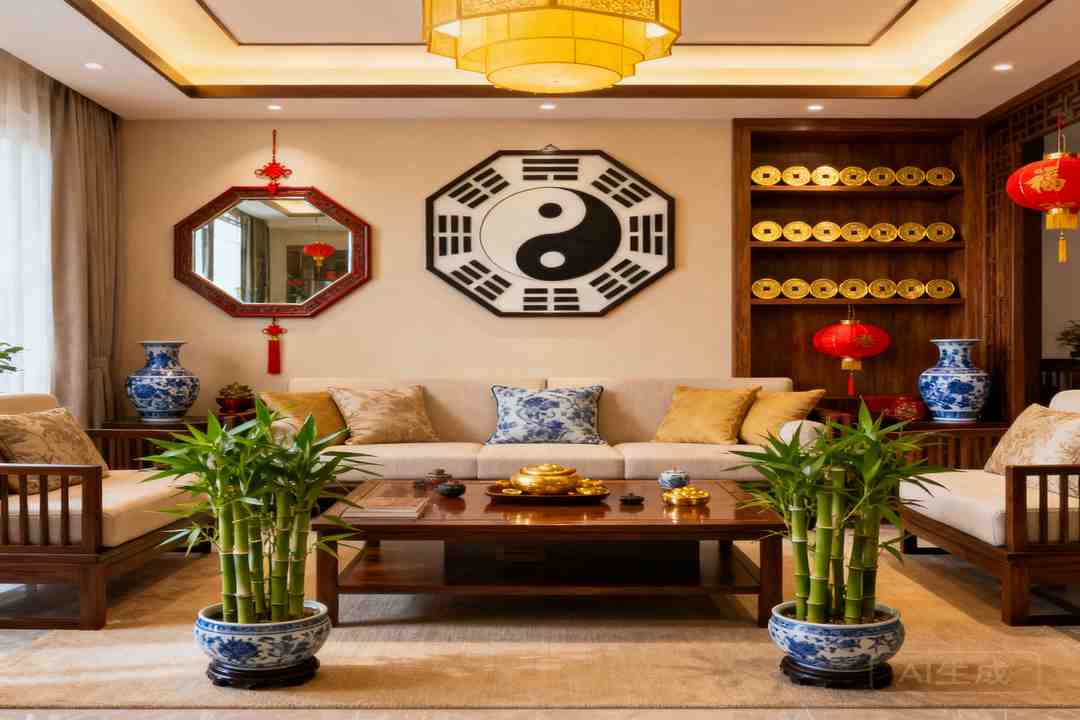
Connect symbolism to the room’s purpose
A calm corner can support reading, while clear routes and adequate task light support work and cooking. Traditional language can guide reflection, but it cannot guarantee sleep, health, relationships, or financial outcomes.

Boundary: Feng shui is a cultural and design perspective. It cannot guarantee health, wealth, relationships, safety, or other outcomes. Use qualified professional advice for building, electrical, plumbing, fire-safety, accessibility, horticultural, or medical questions.