風
fengshuiauspice.com
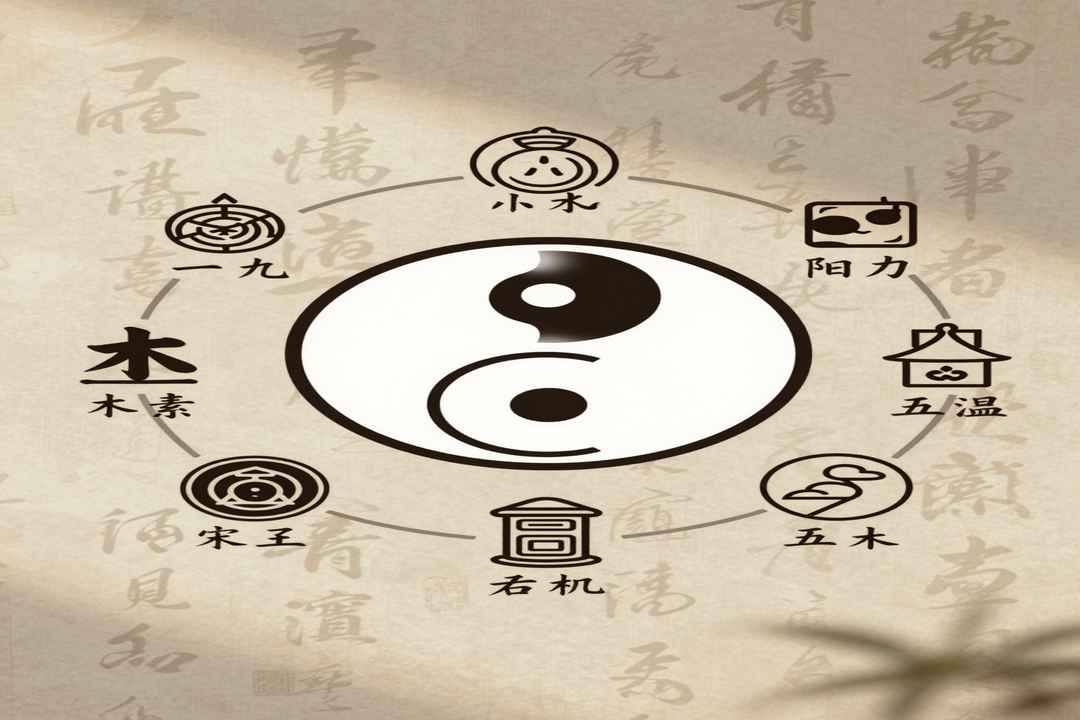
Wood Element Feng Shui is one of the most powerful ways to transform your living space into a sanctuary of growth, creativity, and renewal. Unlike general feng shui approaches that address energy flow broadly, Wood Element Feng Shui targets the specific vibrational quality of the Wood element—the force of spring, new beginnings, and upward expansion.
When properly applied, this specialized practice can revitalize stagnant areas, boost personal momentum, and create an environment where goals flourish naturally.
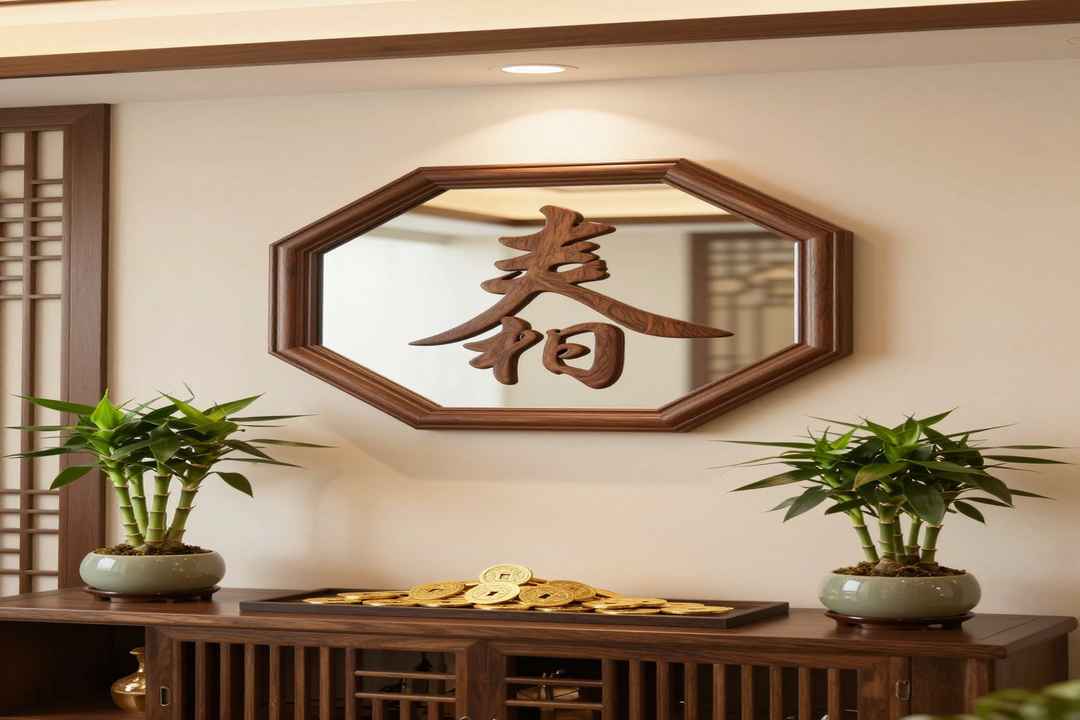
Wood Element Feng Shui is the practice of enhancing, balancing, or directing the Wood energy within your environment to support specific life areas. In Chinese metaphysics, Wood represents the energy of growth, flexibility, vision, and new beginnings.
It is the element that pushes upward—like a tree reaching toward the sky—making it essential for personal development, career advancement, and creative pursuits.
The Wood element governs the liver and gallbladder in traditional Chinese medicine. Emotionally, it relates to feeling stuck, frustrated, or lacking direction.
When Wood energy is balanced in your home, you experience clarity of purpose, patience during growth phases, and the motivation to pursue your dreams. When Wood is deficient, you may feel stagnant, indecisive, or creatively blocked.
Wood Element Feng Shui When excessive, anger, restlessness, and aggression can manifest.
Wood Element Feng Shui differs from general feng shui because it focuses specifically on introducing, strengthening, or pacifying this particular elemental energy. Rather than simply arranging furniture for better qi flow, you are deliberately working with the qualities that Wood brings: expansion, flexibility, and the potential for transformation.
Understanding the Five Elements cycle is essential for effective Wood Element Feng Shui application. The generating cycle flows as follows: Wood feeds Fire, Fire creates Earth (ash), Earth produces Metal, Metal collects Water, and Water nourishes Wood.
This cycle tells you which elements strengthen Wood energy—and which ones weaken it.
Water is the mother of Wood. Water nourishes and supports Wood energy, making water features, fountains, or blue-black color palettes excellent for strengthening this element in your space.
Wood Element Feng Shui Blue and black represent the Water element and work beautifully when you need to boost Wood energy in any area.
Fire is Wood’s child. Fire feeds on Wood, so adding Fire elements like candles, red colors, or lighting fixtures can stimulate Wood energy—but only when the Wood element needs activation rather than calming.
Wood Element Feng Shui This relationship is useful when you want to create dynamic, energetic movement in a specific zone.
Earth element controls Wood. Square shapes, earth tones, and ceramic objects can ground or contain excessive Wood energy.
Wood Element Feng Shui If your space feels too chaotic, restless, or overly aggressive, introducing Earth elements helps restore balance.
Metal element controls Wood indirectly. Circular shapes, white colors, and metal objects can cut or diminish overly dominant Wood energy.
Wood Element Feng Shui Use Metal cures when Wood feels excessive or when you need to bring more structure and clarity to a space.
The key principle: Wood Element Feng Shui never works in isolation. Every adjustment affects the entire elemental system.
Your goal is harmony among all five elements, with Wood appropriately expressed in the areas where growth and expansion matter most.
The following five actionable tips will help you apply Wood Element Feng Shui immediately. Each includes specific placement instructions so you can implement them with confidence.
Tip 1: Place Living Plants in the East and Southeast
The East gua (family/health) and Southeast gua (wealth/prosperity) are the primary Wood areas of your home. Position healthy, vibrant plants here between 3 to 6 feet tall.
Avoid dead or dying plants—they create sha energy that harms rather than helps. Good choices include bamboo, money trees, or peace lilies.
Wood Element Feng Shui Place plants on the floor or on stands, never on the floor directly in front of doors where qi enters.
Tip 2: Use Green and Brown Color Schemes Strategically
Paint accent walls or add textiles in green and brown tones to the East bedroom or Southeast workspace. Green represents growing Wood, while brown represents the trunk and roots.
Apply these colors to the wall behind your bed in the East sector for health vitality, or on the wall facing your desk in the Southeast for career growth. Wood Element Feng Shui Keep saturation moderate—too dark creates heaviness; too bright creates restlessness.
Tip 3: Add Vertical Lines and Tall Furniture
Wood energy moves upward. Incorporate tall bookshelves, floor lamps, or vertical art pieces in Wood-dominant areas.
Place a floor lamp at least 5 feet tall in the East corner of your living room. Position a tall bookcase against the wall in the Southeast sector.
Avoid low, horizontal furniture that compresses energy downward. Wood Element Feng Shui The upward movement supports ambition, goal-setting, and personal growth.
Tip 4: Introduce Wood Materials Directly
Add wooden furniture, bamboo blinds, or wooden decorative objects to areas needing Wood energy. Place a wooden desk in your Southeast home office.
Add a wooden headboard to your East bedroom bed. A wooden medicine cabinet or wooden shelving in the bathroom East wall supports family health.
Wood Element Feng Shui Ensure wood is natural—avoid laminate or painted-over wood that has lost its organic qi.
Tip 5: Position Your Desk or Bed Facing the Correct Direction
For Wood energy enhancement, face east or southeast when sleeping or working. In the East bedroom, position the bed so your head points east—this maximizes healing Wood energy during sleep.
In a Southeast home office, orient your desk to face southeast for maximum career and wealth support. Use a compass app to verify direction.
Wood Element Feng Shui If exact east or southeast is impossible, the nearestcompass direction still provides meaningful benefit.
The Bagua (energy map) is essential for precise Wood Element Feng Shui application. Wood corresponds to two primary guas: the East (震, Zhen) gua and the Southeast (巽, Xun) gua.
The East gua, also called the Thunder gua, governs family health, generational luck, and your relationship with ancestors. This is your primary area for physical vitality, chronic health issues, and family harmony.
When Wood energy is weak here, family members may experience fatigue, recurring illness, or disconnection from each other. Wood Element Feng Shui Enhance this area for overall wellness, especially for children and elders.
The Southeast gua, called the Wind gua, governs wealth, abundance, career prosperity, and your relationship with mentors and teachers. This is your prosperity zone.
Strong Wood energy here supports financial growth, career advancement, and business success. Wood Element Feng Shui Weak Wood in the Southeast often correlates with career stagnation, income ceiling, or difficulty attracting opportunities.
These two guas share a border on the Bagua map. They interact constantly—family health (East) directly impacts your ability to attract wealth (Southeast).
When you strengthen Wood in both areas simultaneously, you create powerful synergy. However, if one area is severely imbalanced, it pulls the other down.
Always assess both East and Southeast together when working with Wood Element Feng Shui.
Mistake 1: Adding Too Much Wood
More is not always better. Excessive Wood energy creates frustration, anger, and restlessness.
If you feel constantly agitated or find yourself in arguments after adding Wood cures, you have overdone it. Wood Element Feng Shui Counteract with Earth elements: place a small brown pottery piece, add a square yellow cushion, or install ceramic tile in the affected area.
Mistake 2: Ignoring Element Balance
Placing Wood cures without considering other elements disrupts your entire home energy. The generating and controlling cycles must remain functional.
A common error is adding green plants everywhere without understanding that Wood feeds Fire. If your home already has excessive Fire (many candles, red colors, south-facing windows), adding more Wood creates an inferno of aggressive energy.
Wood Element Feng Shui Always assess your current element distribution before adding Wood.
Mistake 3: Using Artificial Plants
Never use fake plants for Wood Element Feng Shui. They contain no living qi and can actually create stagnant, artificial energy that misrepresents growth.
If you lack a green thumb, choose low-maintenance plants like snake plants, pothos, or ZZ plants. These survive neglect while providing genuine Wood energy.
Watch for these indicators that your Wood element needs attention. Physical signs include persistent fatigue, difficulty initiating projects, or feeling stuck in life circumstances.
Environmental signs include dead plants, cracked wooden furniture, or lack of vertical lines in key areas. Wood Element Feng Shui The East or Southeast corners may feel dark, cluttered, or neglected.
If your East sector contains a bathroom or kitchen (water and fire elements), Wood energy is being drained continuously. Add extra Wood cures like taller plants or wooden objects to compensate.
Wood Element Feng Shui If the Southeast corner points toward a bathroom, wealth energy is literally being washed away—place a tall plant or wooden fountain to intercept and redirect the flow.
Can I use Wood Element Feng Shui in an apartment with no East or Southeast exposure?
Yes, absolutely. The Bagua map overlays your home’s actual floor plan regardless of compass direction.
You enhance the East and Southeast sectors of your apartment’s layout, not the compass directions. Wood Element Feng Shui Identify these sectors using a floor plan and apply Wood cures accordingly.
What if my front door faces South but I want to enhance wealth?
The Southeast sector still exists in your home layout. You enhance the Southeast corner regardless of where your door faces.
Door placement affects which areas receive the most incoming qi, but it does not change the Bagua map locations. Wood Element Feng Shui Apply Wood energy to the Southeast zone regardless of door position.
How long does it take for Wood Element Feng Shui changes to work?
Most practitioners notice shifts within 2-4 weeks of implementing changes. Some experience immediate improvements in mood or energy.
Major life changes typically manifest within 3-6 months, as feng shui works with energy patterns that accumulate over time. Wood Element Feng Shui Be patient and consistent with your adjustments.
Can I combine Wood Element Feng Shui with other feng shui cures?
Yes, Wood works well with Water and Fire elements in appropriate combinations. However, avoid placing Wood cures directly adjacent to Metal objects, as Metal cuts Wood.
Maintain at least 3 feet of separation between Wood and Metal items. Wood Element Feng Shui Earth elements can be placed nearby to control excessive Wood energy.
Should I apply Wood Element Feng Shui differently in each season?
Spring is Wood’s peak season, so adjustments are most powerful during spring months. However, you can enhance Wood energy year-round.
In autumn, when Metal dominates, you may need stronger Wood applications to maintain balance. Wood Element Feng Shui Winter’s Water element naturally supports Wood, making it an excellent time to introduce new Wood cures.
What is the strongest Wood Element Feng Shui cure?
A healthy, thriving tree is the most powerful Wood cure. If you have outdoor space, plant a tree on the East or Southeast side of your property.
Indoors, a tall bamboo plant in a natural container ranks among the strongest cures. Wood Element Feng Shui The key is living, growing Wood energy—not decorative representations.
Your home is a living reflection of your inner growth. When you enhance Wood Element Feng Shui, you are not simply decorating—you are actively participating in your own evolution.
Start with one change today. Add a plant to your East corner.
Face your bed east. Notice how small shifts create momentum.
Trust the process, and watch your life expand upward.
History Of Feng Shui What Is Feng Shui 6 What Is Feng Shui 3 WikipediaThe Wood Element in Feng Shui symbolizes growth, vitality, flexibility, new beginnings, and abundance. It supports balanced life energy (chi) by fostering forward momentum, creativity, and adaptability, making it ideal for spaces focused on personal development, career advancement, or nurturing relationships.
Wood Element Feng Shui enhances chi flow by stimulating upward, outward movement that counteracts stagnant energy. Its natural, expanding nature creates a dynamic, unobstructed chi path, encouraging opportunities, creativity, and smooth progress in areas tied to the space’s purpose.
The optimal placements for Wood Element Feng Shui are the East and Southeast areas of a space, as these correspond to the Wood element on the Feng Shui Bagua map. East aligns with family and health, while Southeast aligns with wealth and abundance—placing wooden plants, furniture, or decor here amplifies these intentions.
Colors that complement Wood Element Feng Shui include all shades of green (representing natural growth), earthy browns (matching wood’s core nature), and soft blues or teals. These colors align with the Five Element cycle: water tones nourish wood, while greens and browns directly reflect wood’s elemental energy.
Common mistakes with Wood Element Feng Shui include using dead or dry plants (which introduce stagnant negative chi), overcrowding wood decor leading to cluttered energy, placing wood elements in metal-dominated areas (where metal restricts wood’s growth), and neglecting live wood elements like plants that die, disrupting positive elemental balance.
Get a detailed feng shui report based on your zodiac, birth year and space layout.
View PackagesPowered by Shanyue Group | Contact: contact@shanyuegroup.com
About | Contact | Privacy Policy
© 2026 Shanyue Group • All Rights Reserved