風
fengshuiauspice.com
Start feng shui for a new home while you can still move things easily. Walk the empty rooms, see how you enter and carry things through them, then try out the positions of the largest furniture. Traditional orientation can be a meaningful part of a family’s move. Door clearance, access, light and noise are separate checks you can make in any home.
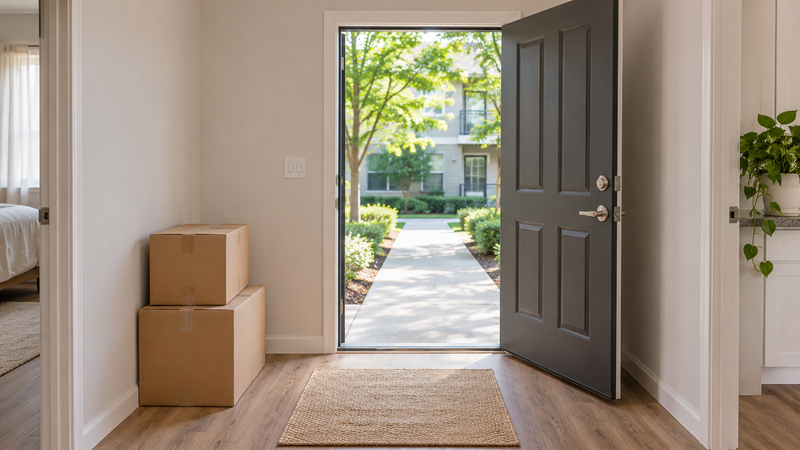
Enter with the bags you normally carry. Open the door all the way and note where you naturally pause to put things down. In a narrow hall, a shallow shelf outside the door swing may work better than a bench you have to step around. Run the same exercise with any stroller, walking aid or other equipment the household uses.
Plan your emergency routes while the room is still easy to see. The U.S. Fire Administration recommends drawing a plan of doors and windows, keeping them unblocked, and identifying ways out. Use the building’s fire instructions where applicable. For ideas after the clear route is established, see our entryway layout guide.
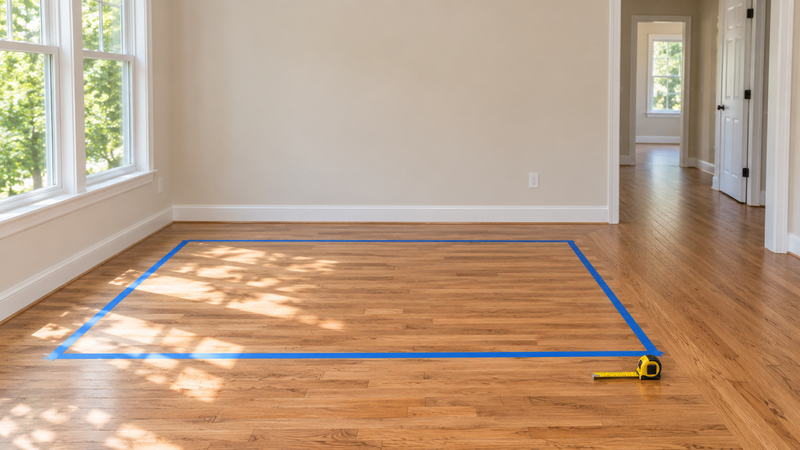
Use removable tape to outline the bed, sofa or dining table. Include the space for a chair to pull back and for drawers to open. Take the route from the entry to the kitchen, from the bed to the door, and from your seat to the light switch. If a corner or narrow turn is awkward in the taped version, adjust it before anyone lifts a heavy piece.
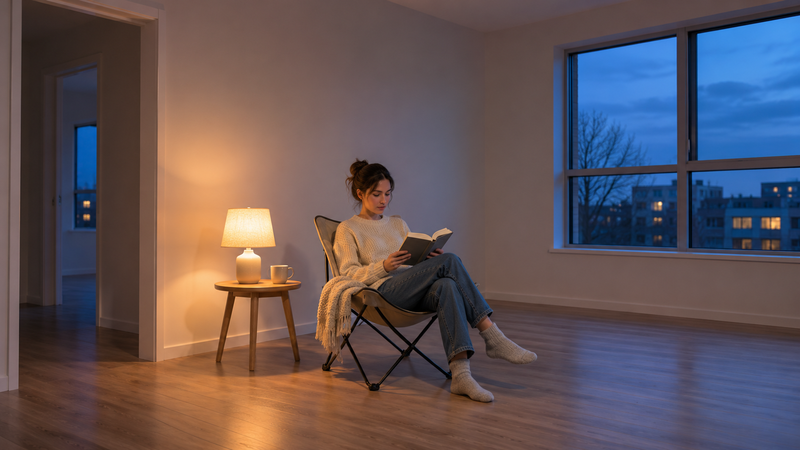
If two options both fit, try a temporary lamp and a chair in each spot. Sit there in the evening and again during the day. Notice the view, glare and noise. A shared room can feel different at the time people actually use it. Our small apartment layout guide offers other ways to use tight spaces.
Traditional feng shui includes siting and orientation. A Southwark Heritage collection record describes a luopan (罗盘) used in choosing sites for homes and other structures. The Metropolitan Museum of Art’s Chinese garden guide describes siting and interpreting landscape in the garden tradition. Those sources provide cultural context. For a move today, you can note an orientation preference separately from what you observe in the room.
On day one, keep the entrance and exits clear. In the first few days, move the pieces that create awkward turns or prevent normal use of drawers and doors. After you have lived with the room through daylight and evening, choose which of the workable layouts you prefer. Renters can make these decisions with freestanding furniture and lighting. A useful plan is one everyone can explain, try, and adjust as the household settles in.
You can test daily routes, furniture clearance, glare and noise without a compass. If you choose to follow a tradition that uses orientation, record that preference separately before comparing workable furniture layouts.
Get a detailed feng shui report based on your zodiac, birth year and space layout.
View PackagesPowered by Shanyue Group | Contact: contact@shanyuegroup.com
About | Contact | Privacy Policy
© 2026 Shanyue Group • All Rights Reserved