風
fengshuiauspice.com
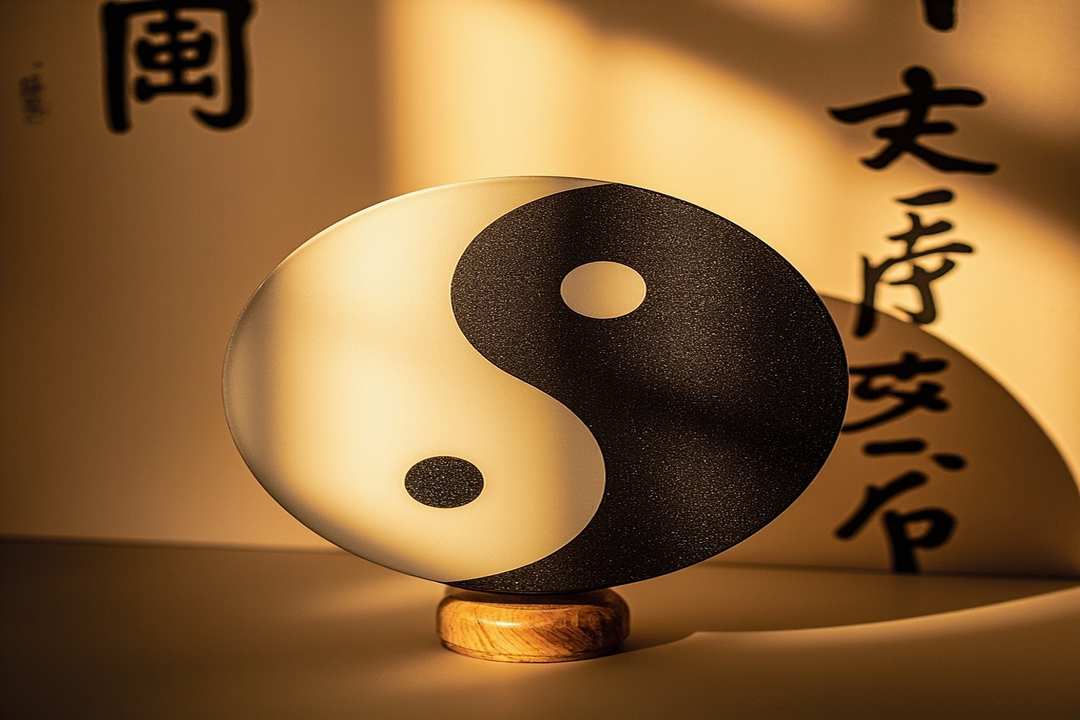
Classical Feng Shui is one of the most powerful ways to align your living space with natural energy flows. This ancient Chinese practice offers practical tools for creating harmony, prosperity, and well-being in your home.
Unlike modern adaptations, Classical Feng Shui focuses on time-tested methods that work with real energy patterns. In this guide, you will discover how to apply these authentic principles to transform your environment and improve your life.
Classical Feng Shui refers to the traditional, authentic systems of feng shui that originated in ancient China. These methods have been preserved and passed down through generations of master practitioners.
The core of Classical Feng Shui involves analyzing the energy, or qi, of a space based on its orientation, layout, and the time it was built. This approach considers both external environmental factors and internal floor plans to assess how energy moves through a property.
The main schools within Classical Feng Shui include the Flying Star School, Eight Mansions, and Land Form School. Each system examines different aspects of energy flow.
The Flying Star School analyzes how time and space interact by calculating star positions at the time of construction. Eight Mansions evaluates how the energy of different directions affects the occupants based on their birth charts.
These methods work together to provide a complete picture of a space’s energetic profile.
Classical Feng Shui differs significantly from modern or Western interpretations. While modern feng shui often focuses on simple adjustments like moving furniture or adding crystals, Classical Feng Shui requires deeper analysis.
Practitioners of the classical methods study compass directions, calculate star charts, and examine the surrounding landscape. This comprehensive approach addresses root causes of energetic imbalance rather than surface symptoms.
The goal is to create lasting harmony between the inhabitants and their environment.
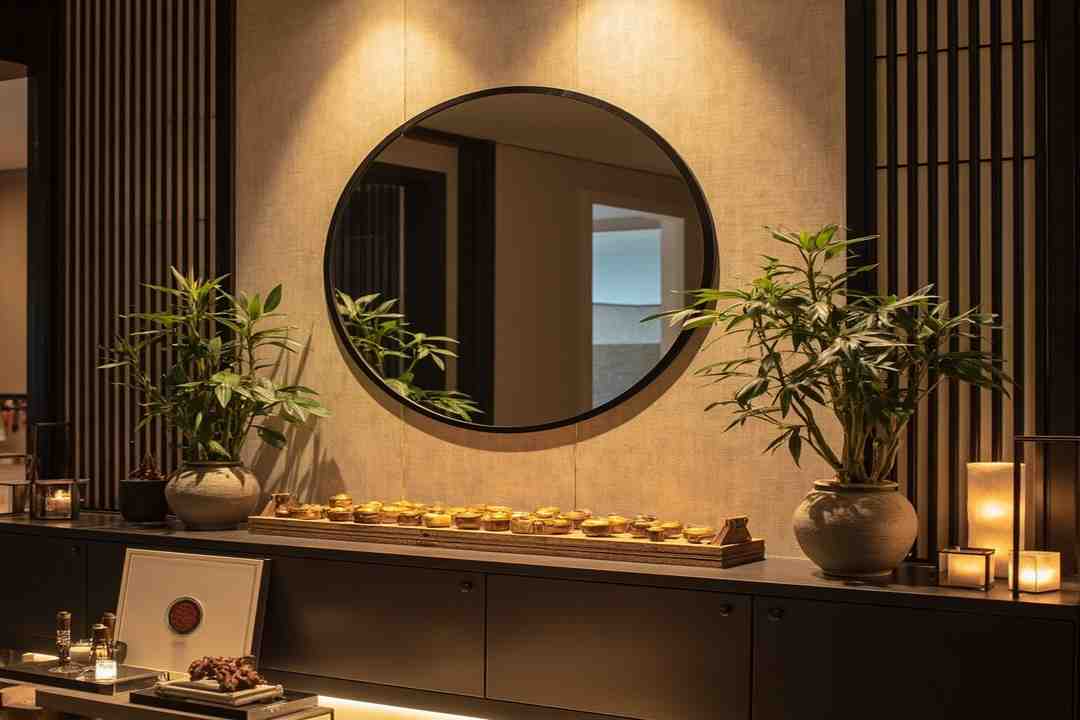
The Five Elements form the foundation of Classical Feng Shui theory. These elements—Wood, Fire, Earth, Metal, and Water—describe the qualities of energy in different states.
Each element has specific characteristics, colors, shapes, and seasons associated with it. Understanding how these elements interact helps practitioners diagnose and balance energy patterns within a space.
In Classical Feng Shui, each direction corresponds to an element and carries certain energy qualities. The southeast represents Wood and governs wealth and abundance.
The south corresponds to Fire and relates to fame and recognition. The southwest connects to Earth and influences relationships and marriage.
The west belongs to Metal and handles creativity and children. The north represents Water and deals with career and life path.
The northeast relates to Earth and connects to education and self-cultivation. The east is Wood and affects family and health.
The northwest belongs to Metal and governs helpful people and travel.
To balance elements in your home using Classical Feng Shui principles, introduce colors and materials that strengthen deficient elements. Wood element responds to green and brown colors, plants, and wooden furniture.
Fire thrives with red, orange, purple, and triangular shapes. Earth benefits from yellow, beige, and square or flat shapes.
Metal prefers white, gray, and circular or metallic items. Water demands blue, black, and flowing or wavy forms.
Place these elements in areas where they are lacking or overly dominant to create balance.
Here are five actionable tips to apply Classical Feng Shui in your living space:
Tip 1: Determine Your Home’s Facing Direction
Stand at your main entrance facing outward. Use a compass or smartphone compass app to find the exact degree you are facing.
This facing direction determines your home’s energy chart in Classical Feng Shui. Record this number and use it to analyze which stars and energies influence your property.
Most homes fall between 0 and 360 degrees. The facing direction reveals whether your home has favorable or challenging energy for the current time period.
Tip 2: Locate Your Personal Gua Number
In Classical Feng Shui, your birth year determines your personal energy profile. Calculate your Gua number using traditional formulas: for men, add the last two digits of your birth year, keep adding until you get a single digit, then subtract from 10.
For women, add the last two digits, keep adding until single digit, then add 5. This number reveals your auspicious and inauspicious directions.
Use your best directions for sleeping, working, and spending time.
Tip 3: Activate the Wealth Area Annually
The southeast corner of your home governs wealth in Classical Feng Shui. Each year, the location of this area shifts based on annual Flying Stars.
Check the current year’s star chart to find the exact wealth position. Place a water feature, plants, or wood element items in this zone to activate prosperity energy.
Avoid placing heavy objects or fire elements here, as they can suppress wealth energy. Refresh this area during Chinese New Year for maximum benefit.
Tip 4: Balance the Command Position
Every room needs a command position where you can see the door without being directly in line with it. In Classical Feng Shui, this arrangement creates power and safety.
Place your bed, desk, or stove in this position relative to the room’s door. The command position allows you to observe incoming energy while feeling supported and secure.
Avoid sleeping or working with your back to the door, as this creates vulnerability and stress.
Tip 5: Remove Clutter from Energy Pathways
Qi flows like water through clear channels. Clutter blocks these pathways and creates stagnant energy.
In Classical Feng Shui, messy areas accumulate negative qi that affects health and fortune. Clear hallways, entryways, and corners regularly.
Organize storage spaces and remove items you no longer use. Pay special attention to the center of your home, as this area connects to all other sectors.
A clear center allows energy to circulate properly throughout the entire property.
The Bagua map is an essential tool in Classical Feng Shui practice. This octagonal diagram divides a space into nine areas, each corresponding to a specific life aspect.
Thegua numbers range from one through nine, representing different energies, elements, and family members. Understanding where Classical Feng Shui falls on this map helps you target specific areas for adjustment.
Classical Feng Shui encompasses the entire Bagua system rather than occupying a single gua. Each of the nine areas operates according to classical principles.
The relationships between neighboring areas matter greatly. For example, the wealth area (southeast) connects to the family area (east).
Improving family energy can indirectly strengthen wealth energy. Similarly, the career area (north) relates to the knowledge area (northeast).
Enhancing education pursuits can support career advancement.
When applying Classical Feng Shui, analyze how energy moves between all nine Bagua areas. The center represents overall balance and health.
The four corner guas (northwest, northeast, southwest, southeast) hold stronger energy than the cardinal guas (north, south, east, west). Use this knowledge when prioritizing adjustments.
Focus on areas that directly relate to your current goals while maintaining balance across the entire map.
Many people make critical errors when attempting Classical Feng Shui adjustments. The first mistake involves using only compass directions without considering the building’s construction date.
A home built in 1980 has different energy than one built in 2020, even if they face the same direction. The Flying Star chart changes every 20 years.
Always determine when the property was constructed before making analysis.
Another common error is applying generic feng shui cures without understanding underlying energy patterns. Placing a fountain in every home’s wealth area often creates problems.
If the annual star in that location conflicts with your personal energy, water can actually drain wealth. traditional Feng Shui requires checking multiple factors before implementing any cure.
What works for one person may harm another.
The third mistake involves ignoring the exterior environment. the classical method examines mountains, roads, buildings, and water features surrounding a property.
These external elements significantly impact the qi entering your home. A sharp corner pointing at your entrance creates sha qi, or harmful energy.
A peaceful garden or park in front of your home brings supportive energy. Never assess interior feng shui without first examining the exterior landscape.
Watch for specific indicators that your traditional practice requires attention. Financial difficulties, recurring health problems, or relationship conflicts often signal energetic imbalance.
Notice which areas of your life struggle most, then examine the corresponding Bagua sectors. If career remains stagnant while other areas thrive, check the north sector for blockages or negative configurations.
Physical symptoms in your environment also reveal imbalance. Cracks in walls represent energy leaks.
Water stains suggest stagnation in water-related areas. Uneven floor levels create problematic energy separation.
Furniture arranged in a way that blocks movement prevents qi from circulating properly. traditional Feng Shui Examine your home regularly for these warning signs.
Emotional discomfort provides another important signal. If certain rooms make you feel uneasy or tired, their energy likely needs adjustment.
A space should support its intended function. A bedroom that causes anxiety will disrupt sleep.
An office that feels unproductive will hinder work performance. Trust your feelings.
the classical method Your body’s response to a space often reveals what classical analysis would confirm.
Begin your traditional Feng Shui journey by simply observing your home with new awareness. Notice how light enters each room.
Pay attention to which spaces feel energizing and which feel draining. Walk the paths you take daily and feel where energy flows smoothly or gets stuck.
This practice builds intuition that complements any technical analysis. Trust what you sense, apply the principles gradually, and watch as your space transforms into a sanctuary that supports your highest good.
Remember that the classical method is a practice of harmonizing with natural energies. Your awareness and intention matter as much as any technique.
Metal Element Feng Shui Exposed: 10 Surprising Truths From C How to Attract Wealth Using Feng Shui: The Ultimate Guide What is Feng Shui: A Complete Guide to Ancient Chinese Energy Wisdom Wikipediatraditional practice is the original, traditional form of Feng Shui rooted in ancient Chinese cosmology (yin-yang theory, Five Elements, and astronomical principles), serving as the foundational framework for all modern Feng Shui practices. Unlike Western-adapted versions, it relies on precise compass measurements (via a Lo Pan tool) and structural analysis to harmonize spaces with natural and cosmic energies, making it the authentic, time-tested system used for centuries to optimize well-being, prosperity, and balance.
the classical method guides chi (vital life energy) flow by distinguishing between beneficial Sheng Chi (flowing, positive energy) and harmful Sha Chi (stagnant, sharp, or blocked energy). It uses compass directions and spatial arrangements to remove blockages (e.g., clutter, sharp corners), position objects to direct Sheng Chi toward key areas (like main living spaces), and balance Five Elements to ensure smooth, balanced chi circulation throughout a space.
The best placement in traditional practice centers on aligning spaces with auspicious directions and structural support. For homes, the main entrance (the “mouth of chi”) should be unobstructed and face a favorable direction based on residents’ Ba Zhai (Eight Mansions) gua number. The main living area or bedroom (the “sitting” space) should have a solid wall behind it for support, while desks or beds should avoid being positioned with no backing or under overhead beams (which create Sha Chi). For businesses, the owner’s desk faces the door to command space and attract Sheng Chi.
Colors in the classical method align with the Five Elements, so complementary colors depend on balancing a space’s elemental needs or residents’ personal gua element. Wood elements use green and brown (vitality, growth); Fire uses red, orange, and purple (energy, passion); Earth uses yellow, beige, and terracotta (stability, grounding); Metal uses white, gray, and silver (clarity, focus); Water uses black, blue, and dark gray (wisdom, calm). Using these colors in moderation to avoid overbalancing elements ensures harmonious chi.
Common mistakes in traditional practice include ignoring compass direction (relying solely on modern, non-traditional methods), blocking the main entrance (cutting off Sheng Chi), placing sharp objects (like pointed furniture or decor) toward living areas (creating Sha Chi), cluttering spaces (stagnating chi), positioning beds or desks with no solid wall behind (lack of support), overusing a single element (causing imbalance), and neglecting outdoor surroundings (e.g., sharp structures or messy yards that impact internal chi flow).
Get a detailed feng shui report based on your zodiac, birth year and space layout.
View PackagesPowered by Shanyue Group | Contact: contact@shanyuegroup.com
About | Contact | Privacy Policy
© 2026 Shanyue Group • All Rights Reserved