風
fengshuiauspice.com
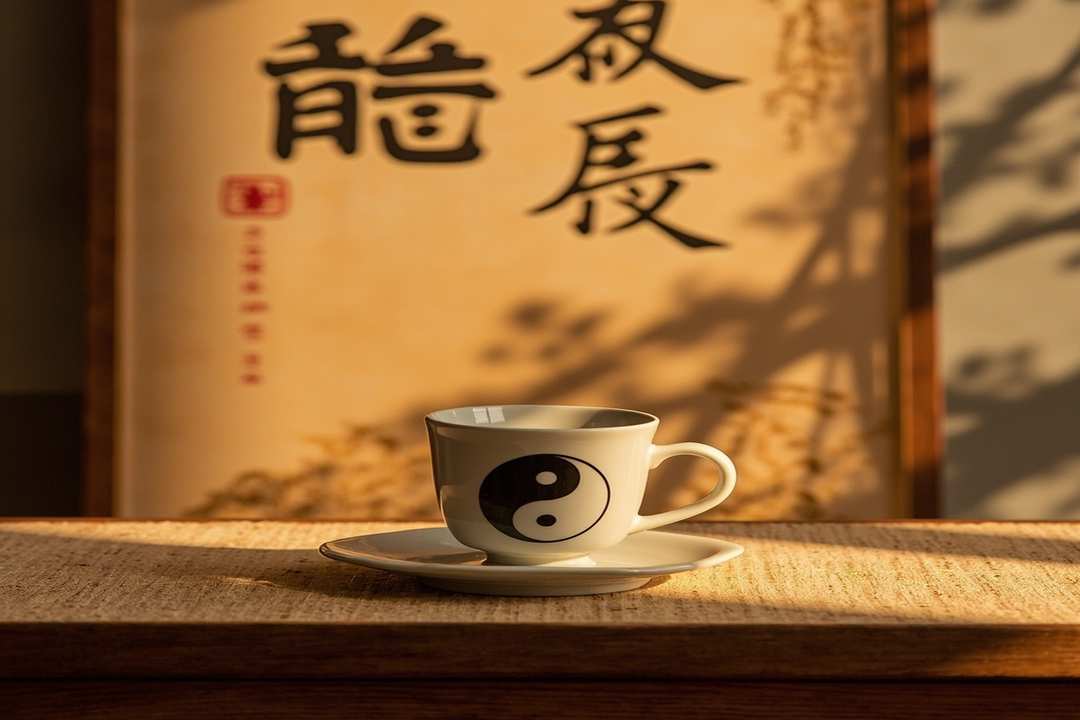
Feng Shui Taboos represents one of the most powerful yet overlooked aspects of traditional Chinese spatial management. These ancient prohibitions reveal what disrupts the flow of qi in your living space, affecting health, relationships, and prosperity.
Feng shui taboos are best treated as traditional spatial cautions about flow, comfort, symbolism, and room arrangement. They can guide design choices, but they should not be presented as guaranteed outcomes or medical advice.
| Topic | Feng shui taboos |
|---|---|
| Best for | Readers checking common layout mistakes before arranging a home |
| Key criteria | Comfort, safety, clear movement, light, and cultural symbolism |
| Common mistake | Following a taboo mechanically without considering the actual room layout |
Feng shui guidance reflects traditional belief and spatial symbolism. It should not replace medical, psychological, architectural, safety, or legal advice. Source: Feng shui background.
Related reading: Bedroom feng shui Feng shui bedroom rules
Quick reference: This page is structured around the direct answer, key facts, source note, related reading, and common user mistake so readers and answer engines can identify the page’s main claim quickly.
This guide breaks down every feng shui taboo you need to know, offering clear explanations and practical fixes you can apply today.
Feng Shui Taboos (风水禁忌) are specific actions, placements, or conditions that practitioners believe create negative energy patterns in a space. Unlike general feng shui adjustments that enhance flow, taboos identify what you must actively avoid.
These prohibitions stem from centuries of observation about how certain arrangements drain energy, create conflict, or attract misfortune.
The core principle behind feng shui taboos is that some configurations directly oppose natural energy pathways. When you violate these principles, the disruption manifests as practical problems: arguments, financial struggles, health issues, or persistent bad luck.
Each taboo carries a specific energy signature tied to the Five Elements and the Bagua map.
Understanding feng shui taboos matters because prevention costs less than cure. Avoiding these mistakes saves you from needing elaborate feng shui remedies later.
Many modern homeowners unknowingly commit these violations, then wonder why their spaces feel “off” despite expensive renovations.
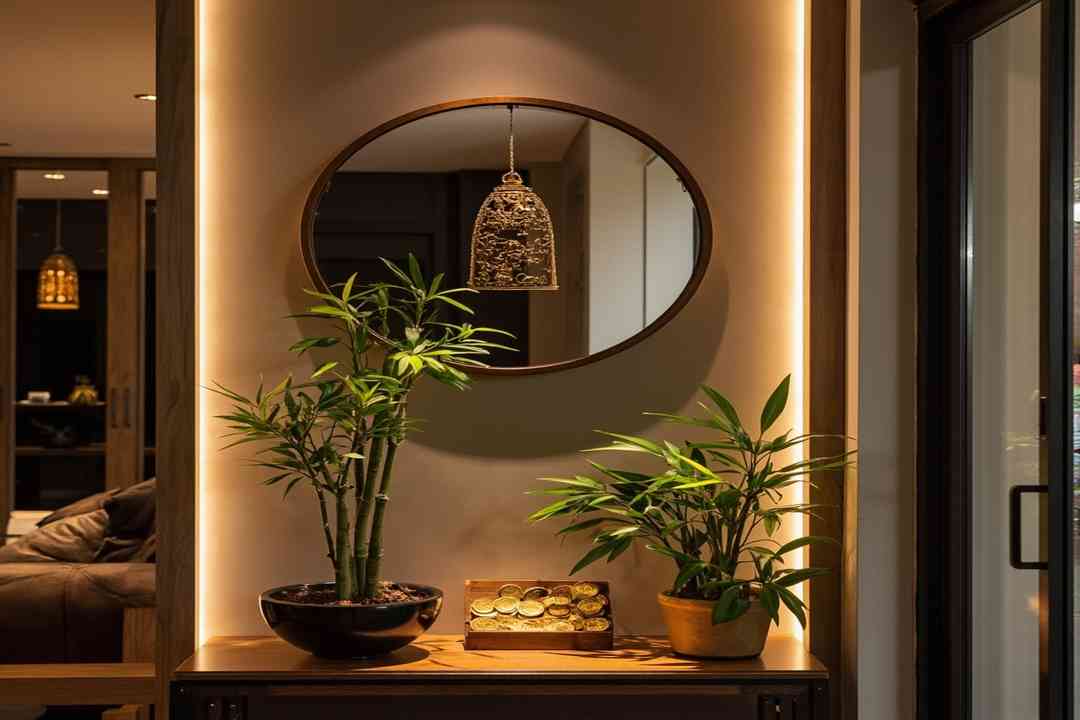
The Five Elements—Wood, Fire, Earth, Metal, and Water—govern all energy interactions in feng shui. Feng Shui Taboos directly relate to element imbalances created by improper placements.
Wood Element Taboos include having too many wooden furniture pieces in the east sector, which creates excessive growth energy leading to irritability. Avoid placing wooden beds in the east bedroom or wooden desks facing east.
Feng Shui Taboos The Wood element also forbids using dead or dried plants, which attract stagnant qi rather than lively growth energy.
Fire Element Taboos center on excessive heat producing areas. Never place stoves or heaters directly facing the front door, as this sends beneficial energy straight out.
Avoid red-dominated decor in the south sector, which can trigger overheating and arguments. Feng Shui Taboos Candles should never be left burning unattended—they represent uncontrolled fire energy.
Earth Element Taboos involve heavy, grounding placements in wrong sectors. Avoid placing stone statues or heavy ceramics in the southwest, which disrupts relationship energy.
Feng Shui Taboos Never position beds directly on tiled floors without rugs, as earth energy becomes too strong and draining.
Metal Element Taboos concern sharp metals and excessive hardness. Never place metal wind chimes in the west or northwest sectors unless specifically recommended, as this creates cutting energy.
Feng Shui Taboos Avoid metal bed frames in the west room, which weakens creative energy and can impact children.
Water Element Taboos address流动性 issues. Never position water features facing inward toward your home, as this sends qi outward.
Avoid placing aquariums in the southeast, which disrupts wealth energy. Feng Shui Taboos Never locate bathrooms in the center of the home, as water energy will flood the heart of the house.
Here are five essential feng shui taboo corrections you can implement immediately:
Tip 1: Fix Mirror Placement Against the Bed
Never place a mirror facing directly at your bed. This creates “sha qi” (killing energy) that disturbs sleep and relationships.
Move mirrors to closet doors or position them so they reflect the door but not the sleeper. Feng Shui Taboos If a mirror must remain, cover it with a cloth during sleep.
Tip 2: Correct Door-to-Bed Alignment
Never position your bed directly in line with the bedroom door. This creates the “coffin position” where qi rushes past aggressively during sleep.
Reposition the bed so it sits diagonally from the door. Feng Shui Taboos If moving furniture isn’t possible, place a room divider or tall plant between the bed and door to block direct energy flow.
Tip 3: Eliminate Clutter in Key Areas
Never allow piles of junk to accumulate in the center of your home or near front entrances. This blocks qi circulation and creates “sick building syndrome.” Dedicate 15 minutes daily to clearing debris.
Feng Shui Taboos Focus especially on the entryway—keep it empty except for a welcoming mat and perhaps one small plant.
Tip 4: Balance Sharp Corners
Never have sharp furniture corners pointing at seating areas or beds. These “poison arrows” create cutting energy that leads to arguments and injuries.
Use rounded furniture or add plants to soften corner energy. Feng Shui Taboos Fabric corner protectors work for families with children.
Tip 5: Fix Bathroom Door Alignment
Never have the bathroom door directly facing the kitchen stove or the main entrance. This creates “dirty energy” contamination of food and prosperity qi.
Feng Shui Taboos Keep bathroom doors closed, use heavy curtains, or install a folding screen as a visual barrier between these spaces.
Additional Critical Taboos to Avoid:
Never place your bed under overhead beams, especially those crossing directly above the mattress. This creates “压迫” (oppression) energy that disrupts sleep and health.
Feng Shui Taboos If you cannot move the bed, install a canopy or decorative beam to visually break the line.
Never locate your stove directly next to or across from the kitchen sink. The water-fire conflict creates family tension and financial difficulty.
Feng Shui Taboos Insert at least one counter space between these elements.
Never have a front door that opens onto a straight hallway leading to a back door or window. This creates “darting arrow” energy that sends fortune straight out.
Feng Shui Taboos Use plants, screens, or curved partitions to redirect flow.
The Bagua (八gua) map divides your home into nine energy sectors, each governing different life aspects. this energy pattern interact with specific gua areas in predictable ways.
Career/Health Sector (North): Never place water features or dark blue items here unless specifically balancing other elements. the flow This sector belongs to the Water element—adding more water creates overflow and career confusion.
Wealth/Abundance Sector (Southeast): Never place sharp objects, scissors, or anything cutting in this area. Such items “cut” financial energy.
balanced qi Keep this corner clean, elevated, and filled with green plants or wood elements.
Relationship/Marriage Sector (Southwest): Never place single plants, photos of single people, or empty frames here. This creates “missing person” energy that prolongs solitude.
home energy Use pairs of objects, photos of couples, or pink crystals to enhance pairing energy.
Knowledge/Wisdom Sector (Northeast): Never place red items or fire elements here. The Earth sector conflicts with Fire, creating study difficulties and family friction.
this arrangement Use yellow ceramics or earthenware to strengthen this area.
Fame/Reputation Sector (South): Never place water features or black items here. Fire and Water elements clash, damaging reputation and recognition energy.
the practice Display flame-shaped objects or red decor to enhance this sector.
Family/Health Sector (East): Never place metal objects or white items in this area. Wood and Metal create conflict, weakening family health.
the room energy Use green plants or wooden frames to support this zone.
The remaining sectors—West (children/creativity), Northwest (helpful people/travel), and Center (grounding)—each have specific taboos related to their element configurations. this energy pattern Violations in any sector create ripples affecting corresponding life areas.
Mistake 1: Ignoring the Front Door Area
Many homeowners focus on interior rooms while neglecting the most critical feng shui point: the entrance. Common errors include blocking the door with shoes, using numbers that sum to “death” energy (like number 4), or placing mirrors where they reflect street energy entering the home.
the flow Fix this by keeping the entryway clear, removing numbers 4 from house numbers, and ensuring mirrors reflect something beautiful, not the door.
Mistake 2: Overcorrecting with Too Many Cures
Beginners often place numerous feng shui objects throughout their homes, believing more is better. This creates cluttered, chaotic energy that contradicts the purpose of feng shui.
Each cure should address one specific issue. this energy pattern Choose quality over quantity—three well-placed items outperform fifteen random objects.
Mistake 3: Applying Tips Without Considering Individual Configurations
Generic advice ignores how your specific floor plan, facing direction, and element needs differ from others. A cure that works for a north-facing apartment may harm a south-facing home.
the flow Always consider your complete configuration before implementing changes.
Watch for these indicators that your home violates feng shui principles:
The space consistently feels uncomfortable or “heavy” when you enter. balanced qi This often indicates blocked qi from clutter or taboo violations.
Family arguments increase suddenly after moving furniture or renovations. Check for new door alignments, bed positions, or mirror placements.
Financial struggles coincide with changes to the wealth sector—southeast corner of your home or office.
Health problems cluster in specific family members corresponding to affected Bagua sectors.
Sleep quality declines without medical cause—your bed likely faces a door, mirror, or beam violation.
When symptoms appear, systematically check each category of taboos in the affected area. Small corrections often produce noticeable improvements within weeks.

The most powerful feng shui taboo principle is this: your intuition matters. If a space feels wrong, trust that feeling.
Traditional feng shui developed from exactly this kind of embodied awareness—ancestors noticed what created problems and codified those observations. When something in your home creates discomfort, tension, or simply feels “off,” investigate potential taboos.
The cure often begins with listening to what your space tells you.
Start by checking your bedroom door alignment and mirror placement this week. These two corrections alone can dramatically improve sleep quality and relationship harmony.
Small awareness leads to significant energy shifts. Your home’s qi responds to your attention.
—
*For more guidance on specific room configurations and element balancing, explore our detailed guides on bedroom feng shui principles and the Five Elements in modern spaces.*
Master Water Element Feng Shui in 7 Steps: The Complete Feng Classical Feng Shui Guide: Principles and Common Mistakes Feng Shui Cures: Practical Fixes for Better Home Energy Wikipediabalanced qi are core guidelines rooted in ancient Feng Shui principles that aim to preserve the smooth flow of positive qi (vital energy) while blocking disruptive sha qi (negative energy). Their significance lies in maintaining energetic balance in living and working spaces, supporting physical and emotional well-being, attracting good fortune, and preventing arrangements that could create long-term disharmony or misfortune.
home energy shape qi energy flow by identifying and prohibiting elements or arrangements that disrupt qi’s natural movement. For example, taboos against sharp corners pointing at seating areas or mirrors facing beds prevent qi from being cut, redirected negatively, or trapped; violating these taboos leads to stagnant, stale sha qi accumulation, which can cause discomfort, poor luck, or health issues over time.
The best placement for adhering to this arrangement focuses on core, high-impact spaces where qi flow has the most significant effect: the main entrance (primary entry for qi), bedrooms (support rest and personal energy), home offices (for career-related luck), and dining areas (for family harmony). Applying taboos consistently in these areas ensures the entire space benefits from balanced qi, rather than focusing on less critical secondary spaces.
Colors that complement the practice align with the principle of balanced qi and the five elements (wood, fire, earth, metal, water) to reinforce harmony. Neutral tones like beige, soft white, and light gray support the balanced energy taboos are designed to protect, while element-matching colors (e.g., green for wood, blue for water) enhance positive qi without clashing with the need for equilibrium. Overly bright, harsh, or clashing colors should be avoided as they disrupt the energy balance taboos uphold.
Key mistakes to avoid include: ignoring taboos in critical spaces (like entrances or bedrooms), misapplying taboos (e.g., using a mirror to block a door instead of redirecting qi properly), treating taboos as rigid, unchangeable rules rather than adapting them to individual space needs, and overlooking small everyday violations like cluttered hallways, sharp kitchen tools left exposed, or broken furniture that disrupts subtle qi flow.
Get a detailed feng shui report based on your zodiac, birth year and space layout.
View PackagesPowered by Shanyue Group | Contact: contact@shanyuegroup.com
About | Contact | Privacy Policy
© 2026 Shanyue Group • All Rights Reserved