風
fengshuiauspice.com
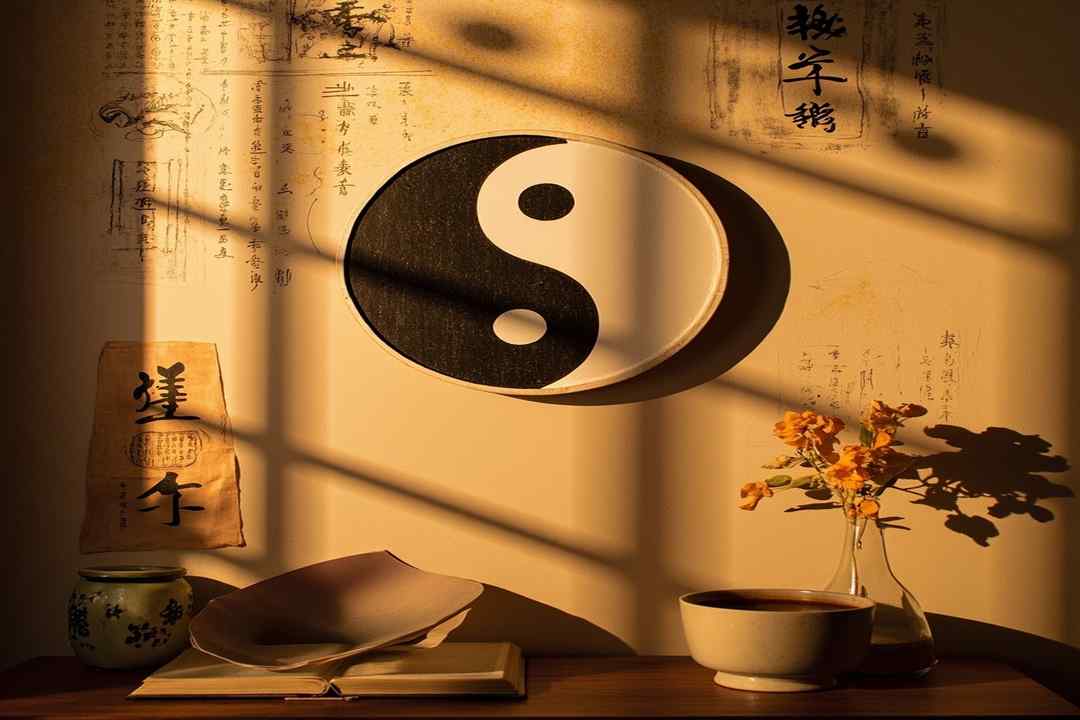
Modern Feng Shui represents a transformative approach to applying ancient Chinese energy principles in today’s fast-paced living environments. Unlike traditional feng shui practiced in classical Chinese homes, Modern Feng Shui addresses the unique challenges of apartments, open-concept spaces, and technology-filled residences.
This approach bridges centuries-old wisdom with contemporary design, making powerful energy shifts accessible to anyone living in a modern home. Whether you live in a studio apartment or a suburban house, understanding Modern Feng Shui can fundamentally improve how your space supports your goals, health, and relationships.
Modern Feng Shui is the adaptation of traditional feng shui principles to suit contemporary architectural designs, materials, and lifestyle patterns. It recognizes that most people today live in homes with open floor plans, minimal outdoor space, and abundant electronic devices—elements that did not exist when classical feng shui guidelines were developed.
This specialized approach takes the core concept of qi (life force energy) and reinterprets how it flows through modern layouts. It emphasizes practical solutions using contemporary materials while honoring the fundamental energy patterns that feng shui has studied for thousands of years.
The key distinction between traditional and Modern Feng Shui lies in flexibility. Classical feng shui often assumes specific architectural features like courtyards, compass-facing rooms, and traditional furniture arrangements.
Modern Feng Shui works with what you actually have: glass walls, open kitchens, home offices, and urban environments with limited natural elements. This approach does not abandon traditional principles.
Instead, it translates them into actionable guidance for 21st-century living spaces.
Modern Feng Shui also embraces the reality that energy needs change as life evolves. What energizes a family with young children differs from what supports a working professional or a retiree.
This approach encourages regular assessment and adjustment of your environment to match your current life stage and aspirations. The goal remains the same as always: creating harmonious flow between you and your living space.
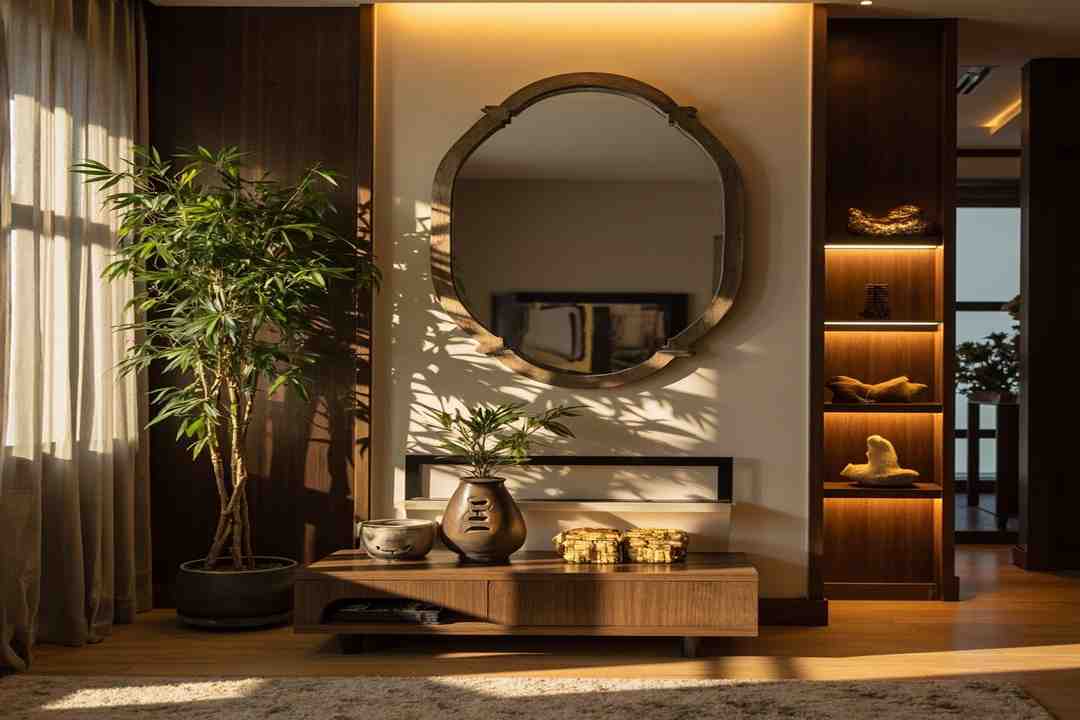
The Five Elements—Wood, Fire, Earth, Metal, and Water—form the energetic backbone of Modern Feng Shui. Each element carries distinct qualities that influence different aspects of life when properly balanced in your home.
Understanding how these elements interact helps you make intentional choices about colors, materials, and decorative objects. The elements work in generating cycles (Wood feeds Fire, Fire creates Earth, Earth produces Metal, Metal collects Water, Water nurtures Wood) and controlling cycles (Wood parts Earth, Earth absorbs Water, Water extinguishes Fire, Fire melts Metal, Metal chops Wood).
In Modern Feng Shui, the element most relevant to contemporary living often depends on your specific goals and the energy challenges in your space. Water element, represented by black, blue, mirrors, and moving water features, connects to career and wisdom.
It is particularly powerful in entry areas of modern apartments where it can welcome opportunities. Fire element manifests through reds, oranges, triangles, and lighting.
It brings passion and recognition but requires careful placement to avoid aggression. Earth element shows through square shapes, beige, terracotta, and ceramics, providing stability and grounding.
Wood element appears through rectangles, green colors, and living plants, supporting growth and family health. Metal element emerges through circles, white, gray, and metallic objects, bringing clarity and efficiency.
The challenge in Modern Feng Shui is incorporating these elements without overwhelming contemporary minimalist aesthetics. Small intentional additions—a wooden bowl, a metal sculpture, a water fountain—can activate specific elements without cluttering your space.
The key is quality over quantity.
Modern Feng Shui works best when you address the most impactful areas of your home first. The following five actionable tips provide specific placement instructions you can implement immediately.
These recommendations adapt traditional principles to modern living realities while maintaining the energetic integrity that makes feng shui effective.
Tip 1: Activate Your Command Position
The command position is the most important energy point in any home. It refers to the spot where you can see the door without being directly in line with it.
In modern open-concept living, this often means positioning your sofa or bed diagonally from the entrance. For a home office, place your desk facing the door but not directly in line with it.
This arrangement gives you psychological control over your space and supports confidence in your endeavors. Modern Feng Shui Avoid sitting with your back to the door, as this creates constant subconscious vigilance that drains energy.
Tip 2: Clear the Entryway Energy
Your front door area serves as the mouth of qi, where energy enters your home. In Modern Feng Shui, this zone must remain clutter-free and well-lit.
Remove shoes, packages, and mail from this area immediately. Place a welcome mat in a warm color like red or terracotta to invite positive energy.
If your entryway is narrow, hang a mirror on the side wall to expand the space visually and allow energy to flow more freely. A small plant on either side of the door creates natural energy filters that purify incoming qi.
Tip 3: Ground Your Sleeping Area
The bedroom requires specific attention in Modern Feng Shui because rest directly impacts every other aspect of life. Position your bed so you can see the door from bed without being directly in line with it.
This arrangement is called the “command position” for sleep and provides security while you are vulnerable. Avoid placing the bed under windows, as this creates energy instability that disrupts sleep.
If you must place a bed under a window, use heavy curtains to create a solid energy boundary during rest. Remove electronics from the bedroom, or at minimum, keep them at least six feet from your bed.
Tip 4: Balance Workspace Energy
With remote work becoming standard, the home office demands Modern Feng Shui attention. Position your desk in the command position of the room, facing the door if possible.
Use a solid chair with back support to ground your energy during work hours. Incorporate a small plant in the southeast corner of your desk to boost career luck through Wood element energy.
Keep your desk clear of unnecessary items, but place one meaningful object—a photo of a loved one or a crystal—on your right side to activate relationship energy while you work.
Tip 5: Harmonize Kitchen Energy
The kitchen represents nourishment and wealth in feng shui. Modern open kitchens require special attention because cooking energy can spread throughout the living space.
Keep your stove clean and in good working order, as this directly impacts financial energy. Position the refrigerator at a height that feels balanced—not too low where it drains energy through being overlooked, nor too high where it feels unstable.
Hang a small crystal in the kitchen window to refract light and scatter positive energy throughout the space. Modern Feng Shui Avoid placing the stove directly across from the sink, as the opposing elements of fire and water create conflict energy.
The Bagua map provides the foundational energy grid used to analyze any space in feng shui. This octagonal diagram divides a floor plan into nine areas, each corresponding to a life aspect: wealth, fame, family, children, helpful people, career, knowledge, partnership, and center.
Understanding where Modern Feng Shui principles apply on this map helps you target specific improvements for particular life areas.
Modern Feng Shui intersects with several key Bagua areas depending on what aspect of contemporary life you wish to enhance. The career area (north) benefits from water element activations and clean, flowing lines.
The wealth area (southeast) responds to wood element and abundance symbols. The knowledge area (northeast) thrives with earth element and academic or spiritual objects.
The partnership area (southwest) strengthens through earth element and paired objects representing harmony.
When applying Modern Feng Shui, consider how your modern living patterns affect these traditional areas. An open floor plan means energy flows between Bagua zones more freely, which can be beneficial but may also dilute specific area energies.
In these cases, use room dividers, rugs, or color zoning to delineate different Bagua areas within an open space. Pay particular attention to the center of your home (the health area on the Bagua), which should always remain clear and balanced regardless of your floor plan.
Many people attempting Modern Feng Shui inadvertently create imbalances that work against their intentions. The first common mistake is over-cluttering with feng shui cures.
Remember that qi needs space to flow. Adding too many crystals, fountains, and feng shui objects creates stagnant energy that contradicts the cure’s purpose.
One meaningful adjustment per area is more effective than overwhelming a space with cures.
The second mistake involves misaligning directional recommendations. Compass readings in modern apartments can be tricky because steel reinforcement and electrical wiring may interfere with accurate readings.
Use a reliable compass app on your phone, stand near a window for the reading, and take multiple measurements to ensure accuracy. Modern Feng Shui Also remember that in feng shui, “south” is true south based on the earth’s magnetic field, not the direction your wall appears to face on a map.
The third mistake is ignoring personal associations. A color or object that holds negative personal meaning will override any feng shui benefit, regardless of how traditionally correct it is.
If a red财富 symbol reminds you of a difficult time, it will not attract wealth energy for you. contemporary Feng Shui Choose elements that resonate positively with your own experiences and aesthetic preferences.
Your space communicates its energetic state through several observable signs. Notice if certain areas of your home feel consistently stale, cold, or uncomfortable compared to others.
This often indicates blocked qi that requires attention through clutter removal or furniture rearrangement. this updated approach Unexpected conflicts among family members frequently correlate with energy disturbances in the family or partnership areas of your Bagua map.
Physical symptoms also reveal energetic imbalances. Difficulty sleeping often points to bedroom placement or electronic presence.
Persistent fatigue may indicate poor air circulation or stagnant energy corners. Financial struggles that persist despite effort sometimes connect to blocked wealth area energy.
today’s Feng Shui method Unexplained relationship challenges may signal imbalance in the partnership or children areas.
Regular observation of your space helps you catch adjustments before problems escalate. Monthly checks of your entryway, command positions, and element balances prevent energy accumulation that becomes difficult to address.
contemporary Feng Shui Photography your spaces periodically provides objective views that reveal imbalances invisible in daily life.
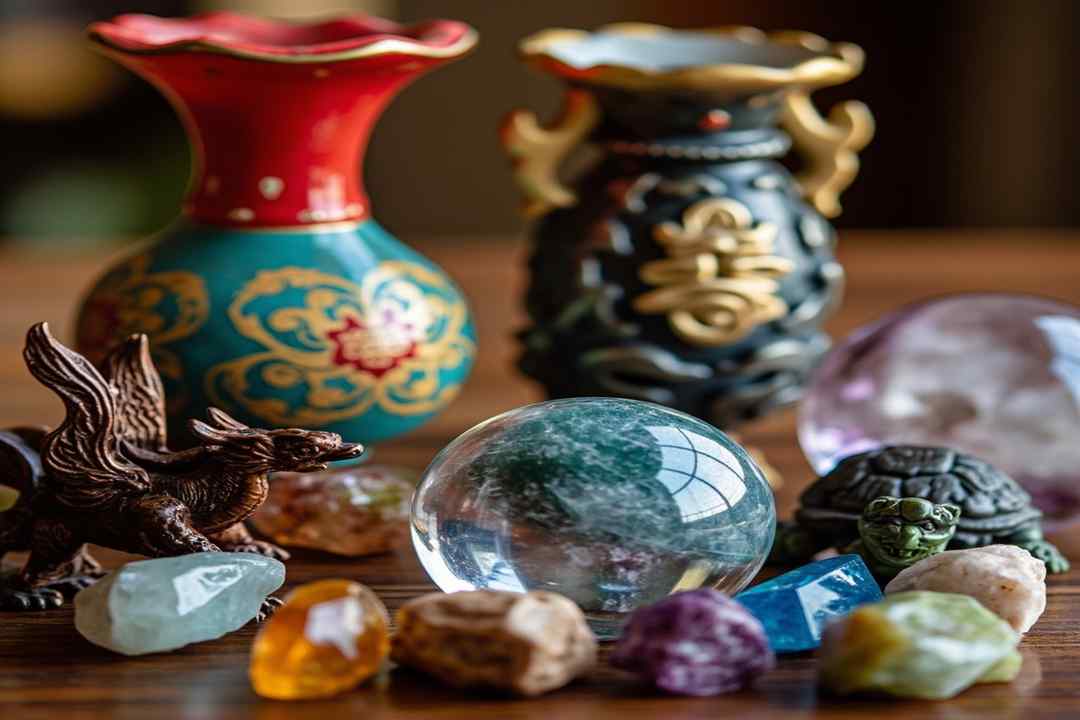
The most powerful today’s Feng Shui method practice requires nothing but awareness: observe your space daily with fresh eyes. Notice how light moves through your rooms, where energy seems to stuck, and how your body feels in different areas. This ongoing attention transforms your home from a static backdrop into a responsive support system for your life.
Trust your instincts when something feels off, and remember that small consistent adjustments create more lasting change than dramatic overhauls. Your modern life deserves contemporary Feng Shui that works with your reality, not against it. Begin today with one change in one corner of your home, and feel the difference energy awareness makes.
What is Feng Shui: The Complete Guide to Ancient Chinese Energy Design Bagua Directions Guide: 7 Essential Tips for Better Energy F What is Feng Shui: A Complete Guide to Ancient Chinese Energy Wisdom Wikipediathis updated approach adapts ancient Feng Shui principles to contemporary lifestyles, small urban living spaces, and tech-integrated environments, making time-honored energy-balancing practices relevant for modern needs like work-from-home setups, compact apartments, and digital clutter management, rather than being limited to traditional large homes or lifestyles.
contemporary Feng Shui influences chi flow by prioritizing unobstructed pathways in spaces, maximizing natural light to activate positive energy, strategically placing tech devices to reduce disruptive electromagnetic stress, using low-maintenance indoor plants to purify air and move stagnant energy, and clearing both physical and digital clutter to ensure chi circulates smoothly, tailored to the constraints and elements of today’s homes and workspaces.
The best placement for this updated approach aligns with space function and flow: place a home office desk facing a door (without being directly in line with it) for security, position a bedroom bed against a solid wall (not under a window) for stability, keep entryways uncluttered to welcome positive chi, use multi-functional furniture in small spaces to avoid blocking pathways, and situate seating areas in open zones that encourage interaction.
contemporary Feng Shui uses muted, contemporary color palettes that align with traditional five-element principles, fitting modern decor: soft sage green or warm beiges for wood elements, cool grays or matte black for metal elements, pale teal or light blue for water elements, terracotta or soft yellow for earth elements, and sparing accent colors like burnt orange or coral for fire elements, avoiding overly dark or clashing hues that disrupt balance.
Common mistakes to avoid with this updated approach include overcrowding small spaces with excess furniture (which blocks chi flow), placing beds or work desks directly under windows (causing instability and distraction), situating tech devices like routers near sleeping areas (disrupting chi with electromagnetic stress), neglecting both physical clutter (messy countertops) and digital clutter (overflowing inboxes), and using overly bold, clashing colors that create sensory overload instead of balanced energy.
Get a detailed feng shui report based on your zodiac, birth year and space layout.
View PackagesPowered by Shanyue Group | Contact: contact@shanyuegroup.com
About | Contact | Privacy Policy
© 2026 Shanyue Group • All Rights Reserved