風
fengshuiauspice.com
Feng Shui No-Nos are the specific placements, objects, and design choices that create sha qi, or negative energy, in your living space. Understanding these禁忌 (taboos) is essential because they directly impact your health, relationships, and financial luck.
This guide breaks down every major Feng Shui No-No so you can identify and fix problems in your home today. By learning what to avoid, you gain the power to transform your space into a supportive environment.
Feng Shui No-Nos refer to specific arrangements, objects, and environmental factors that block the flow of positive qi in a space. These are the classic mistakes that even experienced practitioners sometimes make.
The Chinese term for these is 风水禁忌 (fēng shuǐ jìn jì), literally “feng shui prohibitions.” Each No-No creates a specific type of negative energy that affects corresponding areas of your life. For example, a bed facing the door directly creates rushing energy that disrupts sleep and relationships.
The concept works because feng shui believes that energy flows like water through our homes. When that flow is blocked or reversed, problems occur.
Feng Shui No-Nos are not arbitrary rules. They are practical observations about how certain arrangements make people feel uneasy, stressed, or unwell over time.
Modern research on environmental psychology supports many of these observations about how clutter, poor lighting, and awkward placements affect mental health.
Understanding Feng Shui No-Nos gives you a checklist for quick home assessment. You do not need years of study to spot these problems.
Once you learn the major No-Nos, you can walk through any room and immediately identify energy drainers. This makes feng shui accessible to everyone, not just experts.
The Five Elements—Wood, Fire, Earth, Metal, and Water—govern all feng shui adjustments, including avoiding Feng Shui No-Nos. Each element has specific relationships with certain No-Nos.
For instance, placing Water features in the wrong areas creates imbalance. A fountain in the north career area might boost career luck, but the same fountain in the south could create fire-water conflict that damages reputation.
Wood element conflicts often appear as clashing shapes. A bed with a wooden headboard directly facing a metal door creates Wood-Metal tension.
This produces restless energy that causes arguments and difficulty making decisions. The solution involves adding Earth element colors like terracotta or beige to soften the conflict.
Feng Shui No-Nos Place a brown rug or earth-toned artwork near the headboard to restore balance.
Fire element No-Nos involve excessive heat or sharp angles pointing at people. A stove pointing directly at the kitchen door shoots fire energy out of the home, potentially draining financial resources.
Install a potted plant between the stove and door to absorb the outgoing energy. Feng Shui No-Nos Choose curved or rounded decor instead of pointed objects that create piercing sha qi.
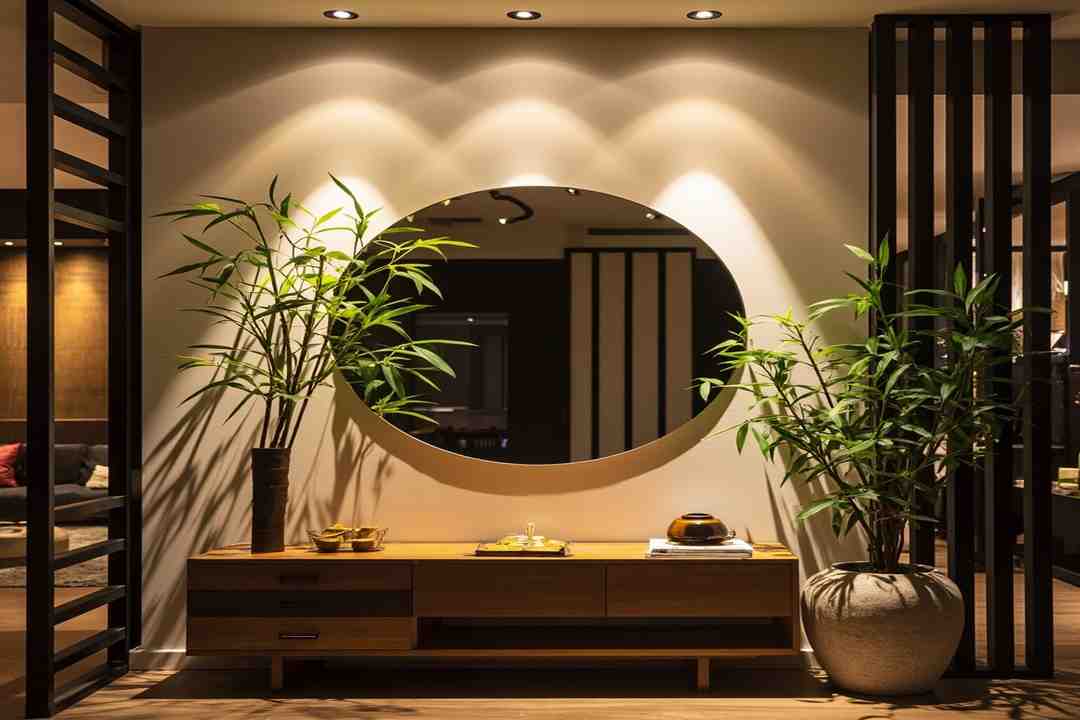
Water element problems manifest as reflects and流动 (flow). Mirrors facing the bed create water-energy disturbance that disrupts sleep and can harm relationship harmony.
Cover mirrors at night or reposition them so they do not reflect the sleeping person. Feng Shui No-Nos Similarly, flowing water features placed incorrectly can wash away good fortune rather than attracting it.
Here are five concrete tips to eliminate Feng Shui No-Nos from your living space:
Tip 1: Move your bed away from the door.
Never place a bed where your feet point directly toward the bedroom door. This “coffin position” creates rushing energy over the sleepers.
Move the bed so it sits in a command position where you can see the door without being in direct line with it. Feng Shui No-Nos The best placement puts the headboard against a solid wall on the opposite side of the room from the door.
Tip 2: Fix mirrors facing the bed or stove.
Mirrors reflect energy, which can scatter qi intended for rest or nourishment. If your mirror faces the bed, hang a fabric tapestry over it at night.
If the stove reflects in a mirror while you cook, this disperses the fire energy meant to nourish the family. Feng Shui No-Nos Move the mirror or reposition the stove if possible.
Tip 3: Eliminate clutter in the center of rooms.
A cluttered center creates blocked qi that affects overall family health and luck. The center of your home corresponds to the Earth element and the spleen area in body geography.
Clear the middle of each room completely. Feng Shui No-Nos Ensure nothing blocks the natural path from door to window.
Tip 4: Avoid sharp corners pointing at seating areas.
Pointed furniture edges, corner walls, or pointed decor create piercing sha qi. Position sofas and beds away from corner angles.
Use round-backed chairs or place a tall plant in sharp corners to soften the energy. Feng Shui No-Nos This is especially critical in the living room where family gathers.
Tip 5: Balance light and darkness in every room.
Completely dark rooms trap stagnant energy. Overly bright rooms create yang excess that causes anxiety.
Install dimmers to adjust lighting throughout the day. Use a combination of overhead lights, lamps, and natural light.
Feng Shui No-Nos No room should feel like a cave or a hospital.
The Bagua map divides your home into nine zones, each governing a life area. Feng Shui No-Nos interact with these zones in predictable ways.
When a No-No appears in a specific zone, it directly affects the corresponding life area. A messy entrance blocks opportunity qi from entering, damaging the prosperity sector regardless of where it is located.
The command positions for beds and desks should never fall into areas with major No-Nos. For example, placing your bed in the northwest sector (helpful people and travel) where a bathroom door opens creates water-energy conflict that blocks support from others.
Feng Shui No-Nos Always check each command position for No-Nos before arranging furniture.
Certain zones are more sensitive to specific violations. The relationship corner (southwest) suffers most from mirrors facing beds.
The career corner (north) fails when water features leak or flow toward the door. The wealth corner (southeast) is destroyed by broken lights or clutter blocking natural light.
Feng Shui No-Nos Map your home’s Bagua zones, then systematically check each for the No-Nos listed above.
Mistake 1: Ignoring the front door area.
The front door is the mouth of qi. Blocking it with shoes, umbrellas, or clutter prevents good fortune from entering.
Remove all items from direct line with the door. Feng Shui No-Nos Install a bright light above the door to attract positive energy.
Mistake 2: Mixing too many element colors.
Each room should emphasize one or two element colors, not all five. A bedroom decorated in red, blue, green, yellow, and white creates chaotic energy that disturbs sleep.
this energy pattern Choose a primary palette based on the room’s Bagua zone and the element it represents.
Mistake 3: Placing beds in the center of the room.
A floating bed with no wall support creates unstable energy. Always place bed headboards against solid walls.
the flow This grounding provides security and promotes restful sleep.
Watch for these physical and emotional signals that your home contains harmful balanced qi. You feel anxious or unsettled in certain rooms without knowing why.
Sleep quality declines, especially when the bed faces a door or mirror. Arguments increase after moving furniture or acquiring new objects.
Financial difficulties appear after adding water features or making renovations.
Check your home if family members experience chronic health issues in specific rooms. Look for blocked pathways, cluttered corners, or broken items.
Notice how light moves through your space throughout the day. home energy Dark, stagnant areas need immediate attention.
Start your Feng Shui No-No assessment with the front door. This single area determines the quality of all energy entering your home.
Remove obstacles, ensure bright lighting, and confirm that qi can flow smoothly inside. this arrangement Once your entrance welcomes positive energy, the rest of your home responds more easily to feng shui improvements.
What is Feng Shui: The Complete Guide to Ancient Chinese Energy Design Beginners Feng Shui Guide: Home Layout and Energy Basics Why Your Feng Shui Symbols Meaning Is Wrong: 7 Facts You Wikipediathis arrangement refer to practices, objects, or spatial arrangements that disrupt the natural flow of positive qi (vital energy) in a space. Their significance lies in guiding practitioners to avoid elements that create imbalance, stagnation, or negative sha qi (sharp, hostile energy), thereby promoting harmony, health, prosperity, and overall well-being in living and working environments.
the practice disrupt qi flow in several key ways: sharp edges (e.g., from furniture or structural beams) generate aggressive sha qi that creates tension; clutter traps qi, preventing it from circulating freely to nourish the space; blocked pathways (e.g., cluttered doorways or narrow hallways) restrict qi movement; and items of neglect or decay (e.g., broken appliances) attract stagnant, low-vibrational energy, all of which throw off the space’s energetic balance.
the room energy should ideally be avoided in high-traffic or central living areas (bedrooms, main entryways, home offices) where qi flow is critical. If a No-No is unavoidable (such as a protruding structural beam), its placement should be mitigated rather than emphasized: use soft furnishings, plants, or crystals to redirect or neutralize negative energy, ensuring it does not directly face seating areas or entry points where it could impact daily interactions.
Colors that complement this energy pattern (used to balance their negative effects) are muted, grounding tones like earthy brown, soft beige, pale sage green, or warm terracotta. These neutral, calming hues absorb stagnant qi and soften disruptive energy from No-Nos like sharp corners or cluttered spaces, creating a harmonious bridge between the problematic element and the rest of the space’s energetic flow.
Key mistakes to avoid include: ignoring No-Nos entirely (e.g., leaving a cluttered entryway unaddressed, allowing stagnant energy to accumulate); overcompensating with excessive remedies (which can create new imbalances); misapplying fixes (e.g., hanging a mirror to redirect a sharp corner’s energy, which may shift negativity to another area instead of neutralizing it); and placing No-Nos in sacred spaces like meditation corners or home altars, where positive energy is especially vital.
Get a detailed feng shui report based on your zodiac, birth year and space layout.
View PackagesPowered by Shanyue Group | Contact: contact@shanyuegroup.com
About | Contact | Privacy Policy
© 2026 Shanyue Group • All Rights Reserved