Facing a wall can reduce visual distraction, but it may also feel cramped, worsen screen contrast, or leave the user unaware of activity behind the chair.
Quick answer
Keep this desk position when posture, lighting, ventilation, door awareness, and chair clearance work; improve the wall rather than moving the desk solely for symbolism.
Set a workable viewing distance
Do not press the monitor or eyes too close to the wall. Leave depth for cables and airflow, and use balanced ambient light to avoid a bright screen against darkness.

Improve awareness of the room
A side view, reflective but non-distracting surface, or modest desk rotation may help the user notice the entrance. Avoid placing a mirror where it creates glare or exposes confidential work.
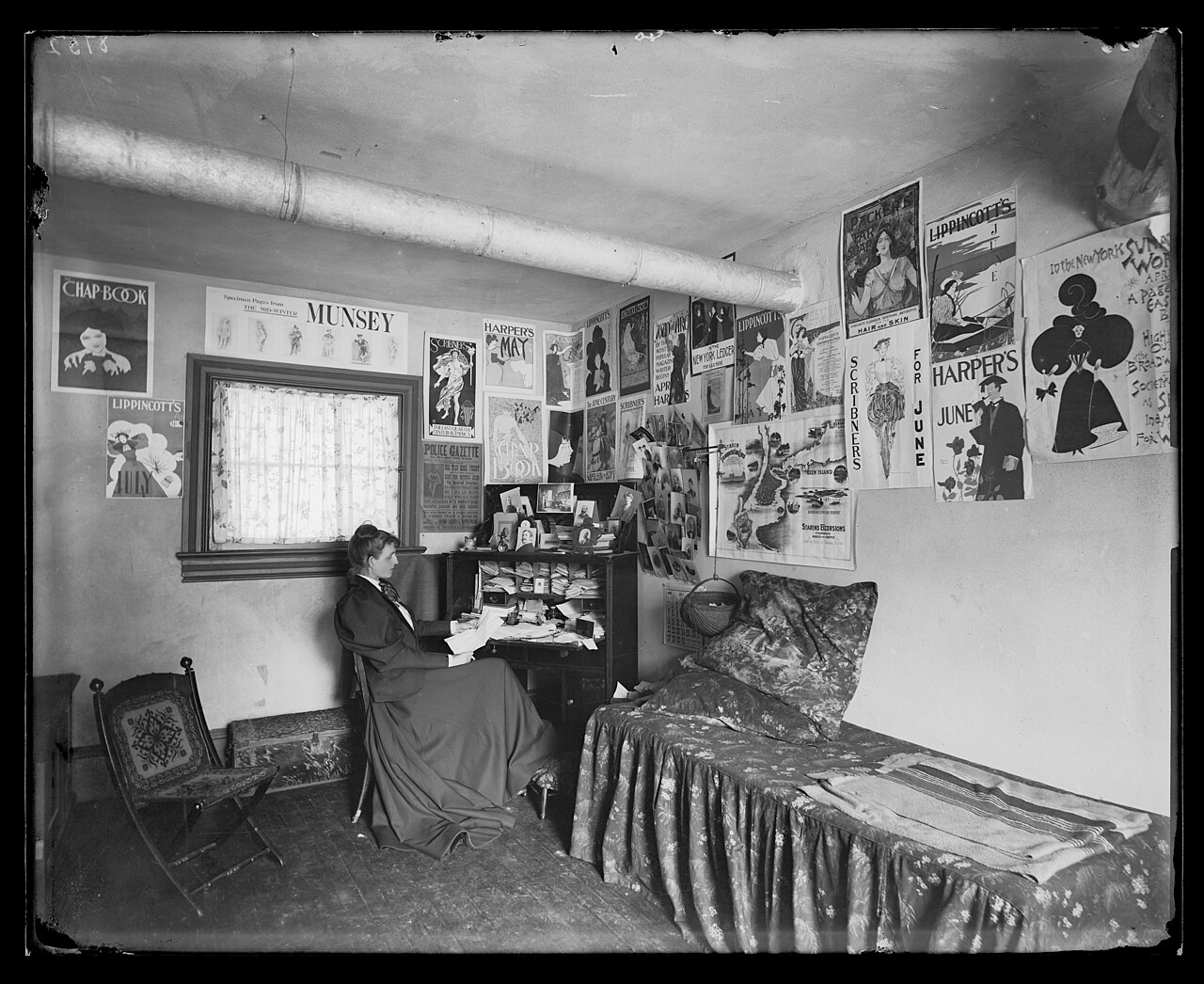
Use the wall as a calm work surface
A pinboard, schedule, restrained artwork, or acoustic material can add function. Heavy shelves above the chair or monitor require secure installation and sensible clearance.
Boundary: Feng shui is a cultural and design perspective. It cannot guarantee health, wealth, relationships, safety, or other outcomes. Use qualified professional advice for building, electrical, plumbing, fire-safety, accessibility, horticultural, or medical questions.